
The 10 Percent Rule
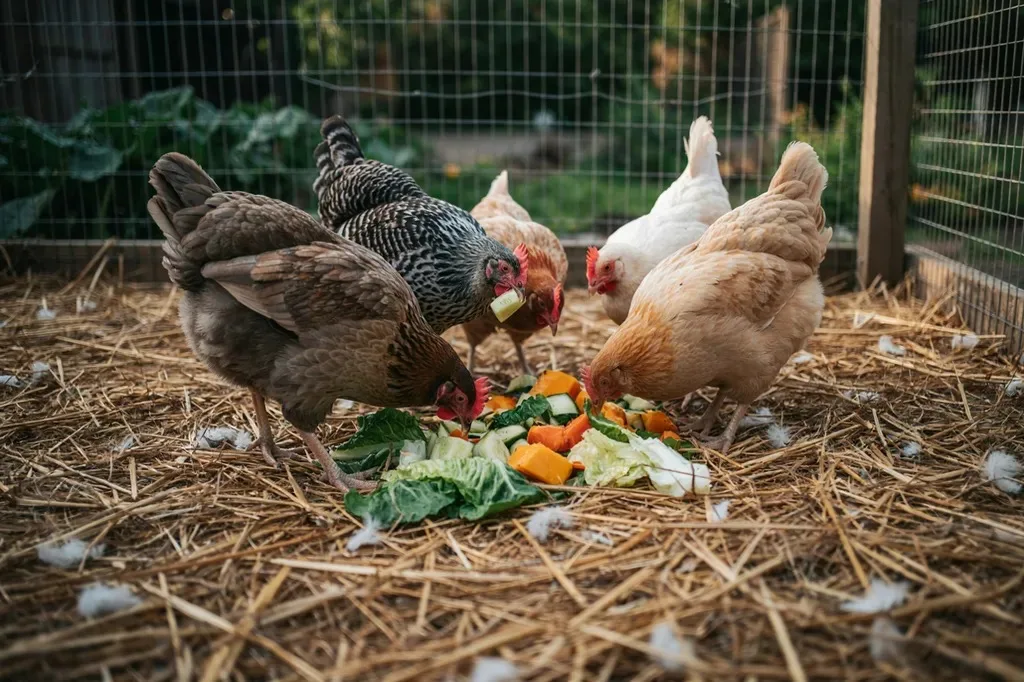
Before the list, one rule matters more than any single food. Scraps and treats should make up no more than about 10 percent of what your hens eat each day. The rest should be a balanced layer feed, with oyster shell on the side for calcium. Fermenting that feed makes it go even further.
Scraps are filling but not balanced. A hen that fills up on bread and watermelon has less room for the protein and calcium she needs. Feed scraps in the afternoon, after the hens have eaten most of their ration, and only as much as they finish in about 20 minutes.
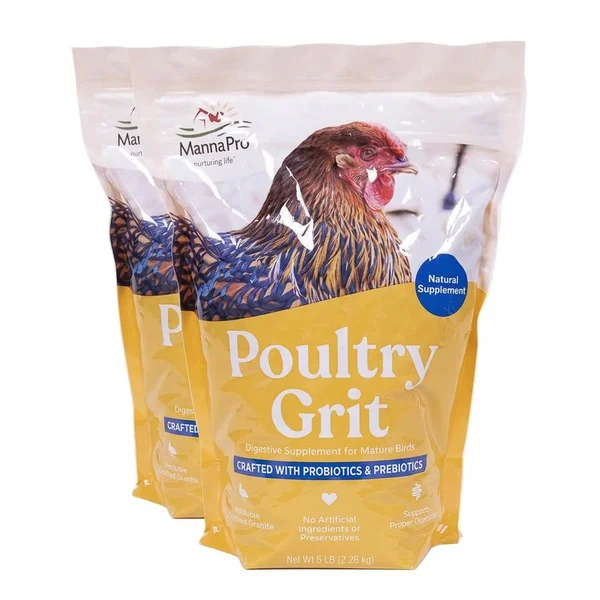
One more thing: if your hens live in a run and don’t free range, give them a dish of poultry grit. Chickens grind their food in the gizzard with small stones, and scraps are harder to grind than feed.
Safe: Feed These Freely (Within the 10 Percent)
Vegetables and greens
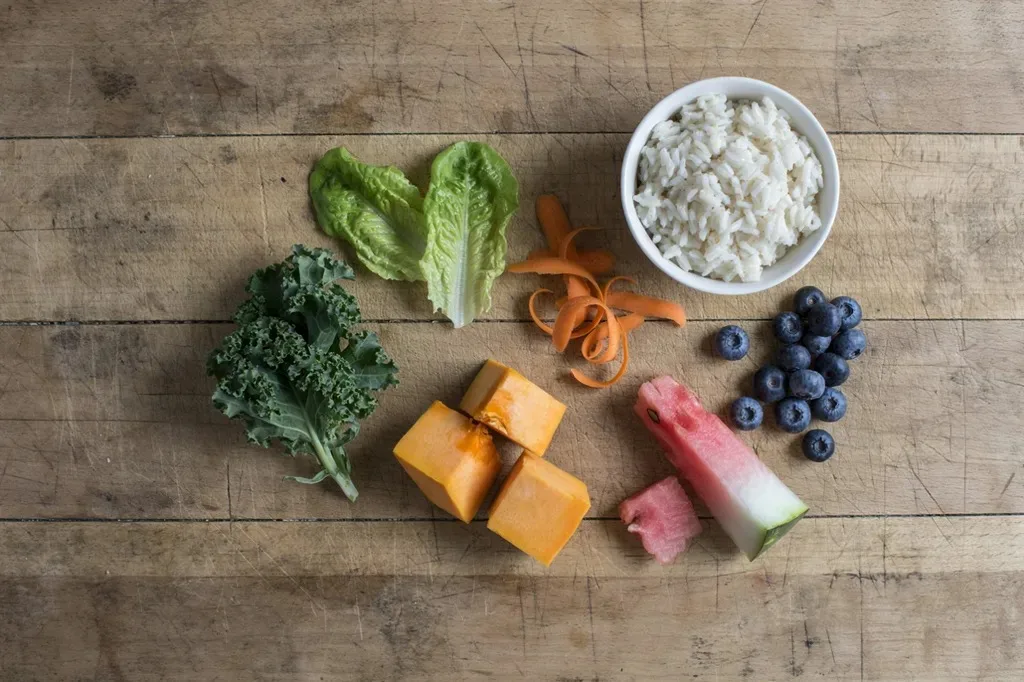
Lettuce, kale, cabbage, spinach, carrot peels and tops, cucumbers, zucchini, broccoli, cauliflower leaves, peas and corn are all hen favorites. Leafy greens are especially good, and they give egg yolks a deeper color.
Pumpkin and squash
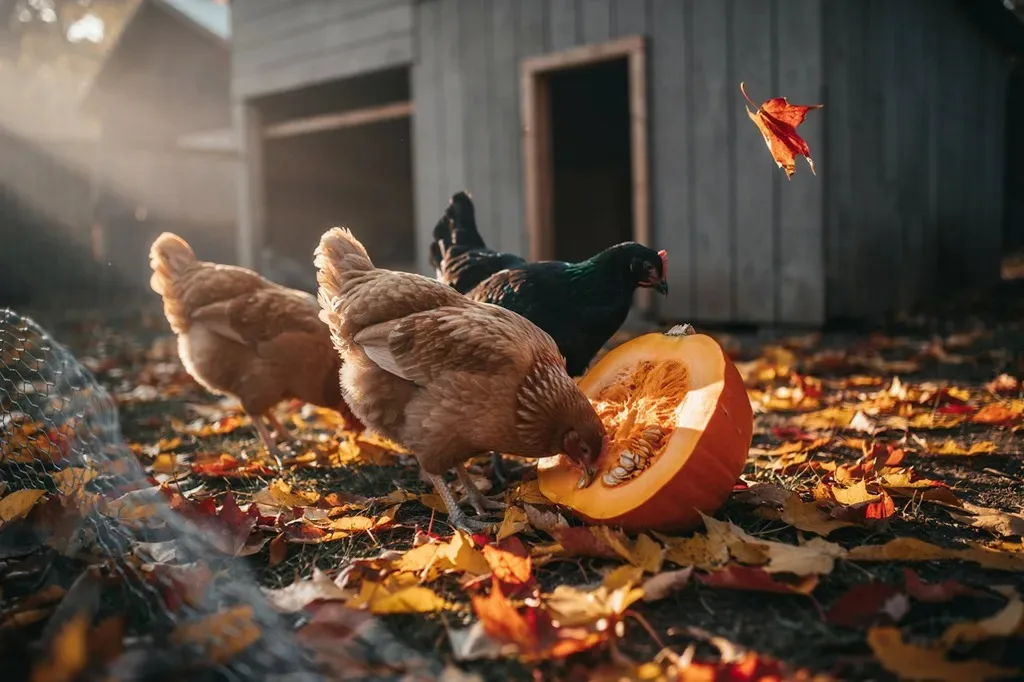
Perfect for this time of year. After carving or cooking, give your hens the flesh, the stringy insides and the seeds. They’ll pick a pumpkin shell clean.
Fruit
Berries, melons (rind and all), apples, pears, bananas, grapes cut in half and peaches without the pit. Fruit is sugary, so it’s a treat rather than a staple.
Grains
Cooked rice, cooked pasta, oatmeal and small amounts of bread. These are filling and cheap, but they’re mostly starch, so keep them modest.
Cooked eggs
Scrambled or hard-boiled eggs, crushed shell and all, are a great protein boost during molting. Always cook them first so your hens never learn to peck at raw eggs.
Sometimes: Small Amounts Only
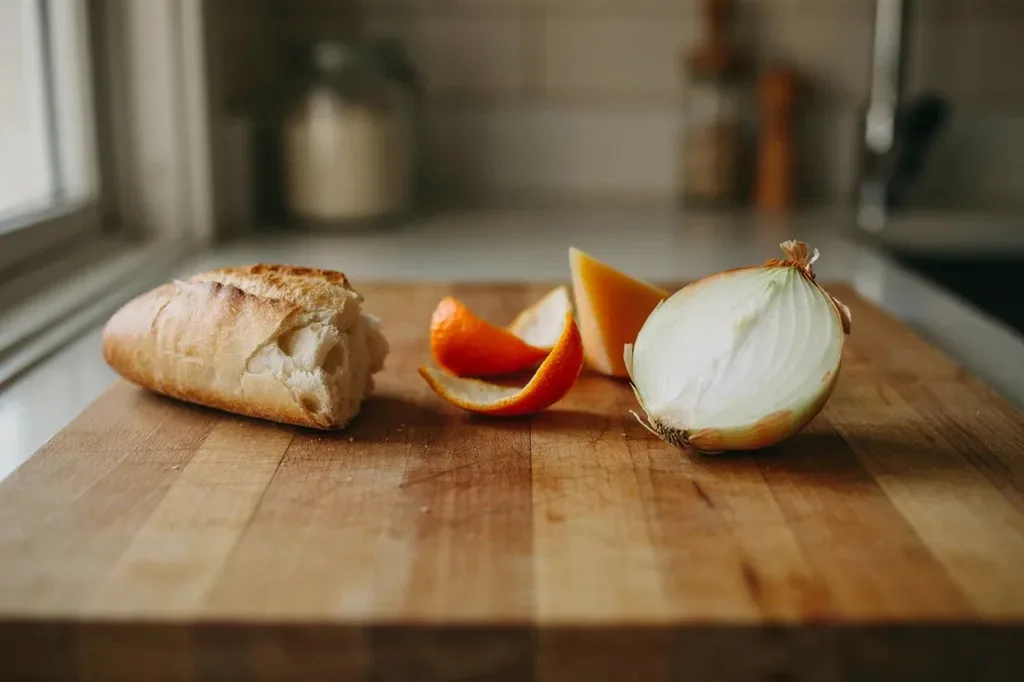
- Bread and crackers: fine as a small treat, but it fills them up with very little nutrition.
- Citrus peels: many hens ignore them anyway. A little won’t hurt, but don’t make it a habit.
- Onions and garlic: a small amount mixed into leftovers is fine, but large amounts of onion can upset a chicken’s blood cells. Don’t feed them on their own.
- Cooked meat and fish: small, plain, cooked scraps are fine for hens, but they attract rats. Pick up anything left over.
- Cheese and yogurt: a little is fine. Too much dairy upsets their digestion.
- Ripe tomatoes: the fruit is fine. The leaves, stems and green fruit are not (see below).
Never: The Foods That Can Make Chickens Sick
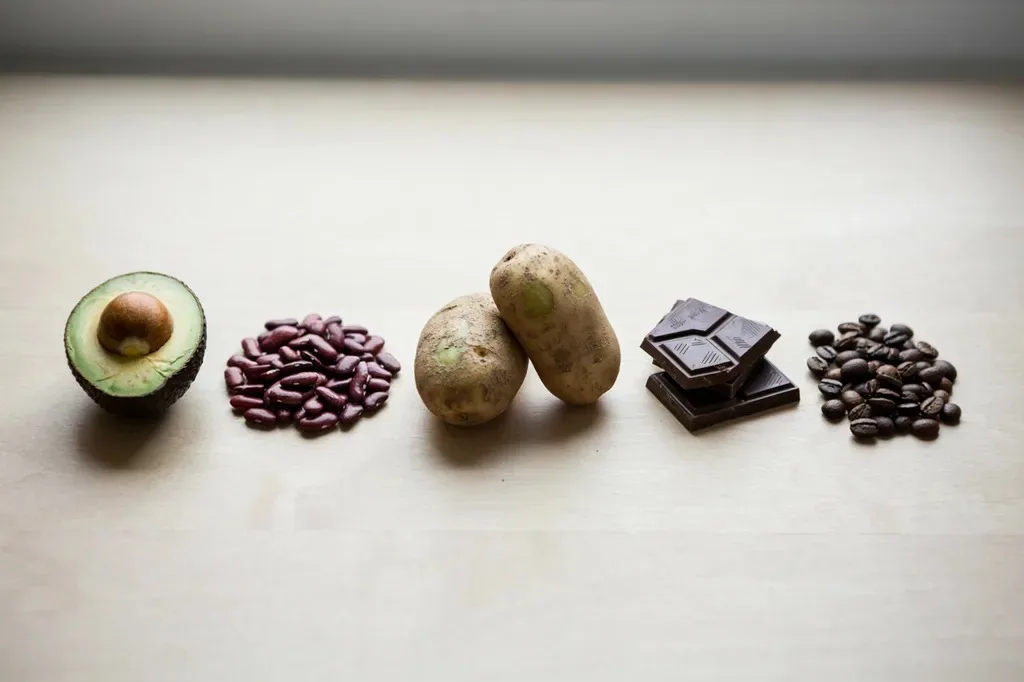
1. Avocado skin and pit
The skin and pit of an avocado contain persin, a natural toxin that is dangerous to birds. Because it’s hard to separate safely, the simplest rule is to keep avocado out of the scrap bucket entirely.
2. Raw or dried beans
Uncooked beans contain a compound that can make chickens seriously ill. Cooked beans are fine. Dry beans from the pantry or half-cooked beans are not.
3. Green potatoes and potato peels with green spots
The green parts of a potato contain solanine, which is toxic. The same compound is in tomato and eggplant leaves and stems. Cooked, plain potato without green parts is fine.
4. Chocolate, coffee and tea
Chocolate contains theobromine, and coffee and tea contain caffeine. Both are harmful to birds, even in small amounts.
5. Moldy or spoiled food
Some molds produce toxins that harm chickens. If you wouldn’t eat it because it’s moldy, it goes in the compost, not the run.
6. Rhubarb leaves
Rhubarb leaves are high in oxalic acid. Keep them out of the scraps and out of reach if rhubarb grows near the run.
7. Salty, sugary and heavily processed food
Chips, candy, salty leftovers and sugary baked goods aren’t toxic in a crumb, but chickens are small, and salt adds up fast. Leave them out.
Scraps by Season
- Spring: lettuce trimmings, spinach, radish tops, pea shoots and the first garden thinnings.
- Summer: melon rinds, cucumbers, zucchini, berries and corn cobs. On very hot days, freeze watermelon chunks for a cooling treat.
- Fall: pumpkins, squash, apples and the last of the garden greens before frost.
- Winter: a dish of plain cooked oatmeal on a freezing morning, cooked rice and vegetable peels from the soup pot. When bugs are scarce, a mealworm tote fills the protein gap.
Signs You’re Feeding Too Many Scraps
Scraps are easy to overdo, because hens act like they’re starving every time you walk out with the bucket. Cut back if you notice:
- Layer feed sitting untouched in the feeder day after day
- Watery or unusually messy droppings
- Hens getting heavy, with a soft, fat belly
- Thin or soft eggshells, which can mean they’re eating less of the calcium-rich feed
The fix is simple: feed scraps later in the day, in smaller amounts, and keep oyster shell out at all times.
How to Store Scraps Between Feedings
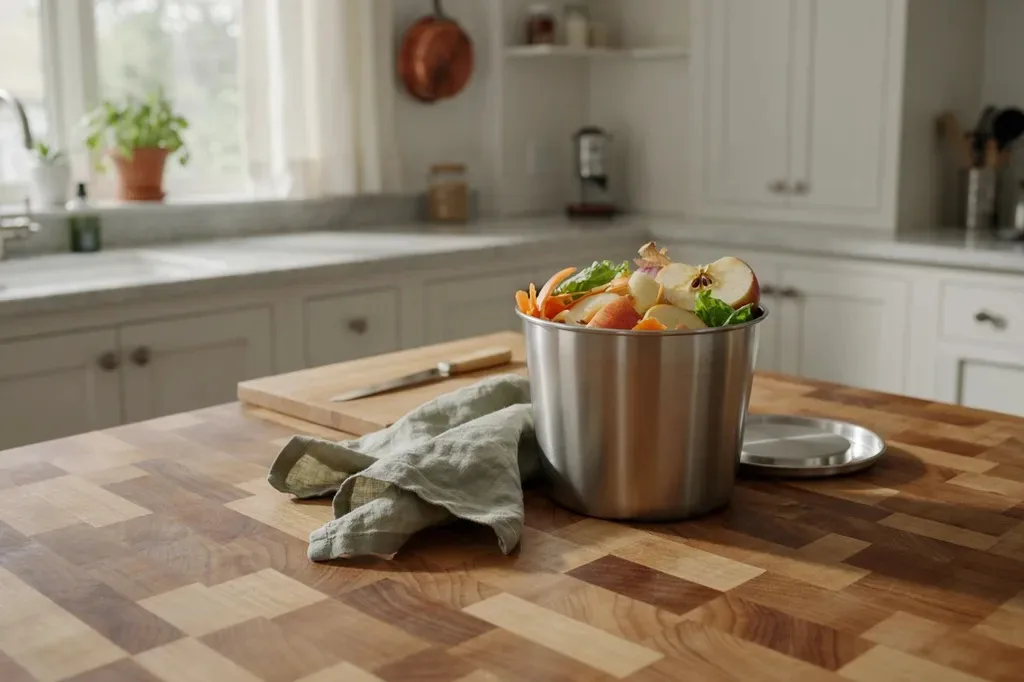
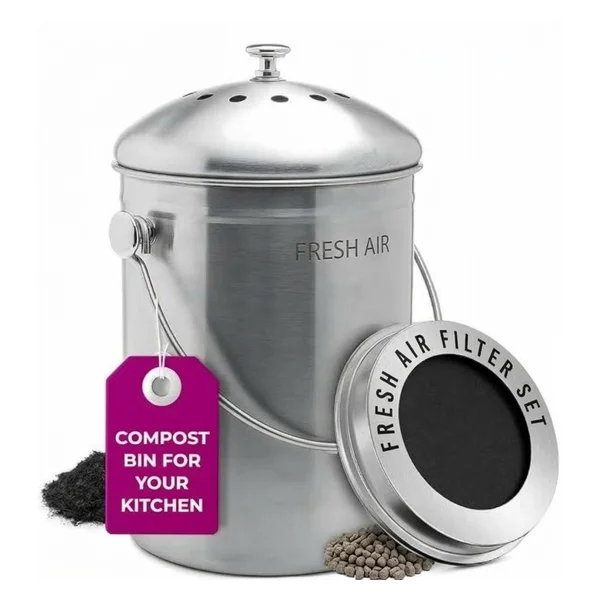
Keep a lidded pail on the counter or in the fridge, and empty it once a day. In summer, scraps spoil fast, so feed them within a day or two. Anything that turns slimy or moldy goes to the compost or the bug bin instead.
How to Feed Scraps Without Making a Mess
- Chop big pieces. Hens can’t bite, so cut melons, squash and cabbage into pieces or halves they can peck at.
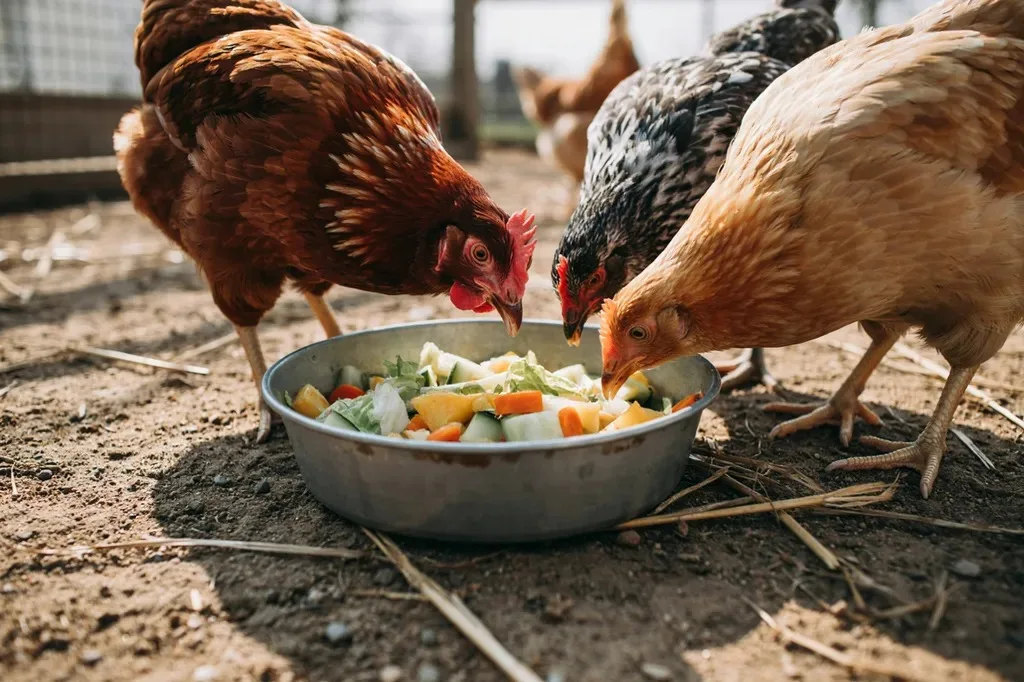
- Use a shallow pan. Scraps thrown on the ground get trampled and attract rodents. A shallow pan is easy to clear away.
- Clean up by dark. Anything left at night invites rats and raccoons.
- Turn the rest into grubs. Scraps your hens leave behind can go into a black soldier fly bin, which turns them into protein they’ll eat later.
Read next: How to turn the scraps your hens won’t eat into protein-rich grubs they’ll fight over.
What to Do With Scraps Your Hens Won’t Eat
Even the greediest flock leaves some things behind: tough onion skins, citrus peels, coffee grounds and anything from the never list. None of it has to go in the trash.
- The compost pile: everything plant-based breaks down into rich soil, and your hens will still find the worms and bugs that move in.
- A black soldier fly bin: it turns scraps into grubs, which your hens can eat even when they can’t eat the scraps themselves.
- The freezer: on busy weeks, freeze safe scraps in a bag and thaw a portion at a time.
Scraps for Chicks and Older Hens
Young chicks have small, sensitive digestive systems. For the first few weeks, keep them on chick starter only. After that, introduce soft, finely chopped greens a little at a time, and always give chick-sized grit when they eat anything besides starter.
Older hens that have slowed down or stopped laying can still enjoy scraps, but they need fewer treats to stay at a healthy weight. Soft, chopped vegetables are easier for them than hard, whole pieces.
Frequently Asked Questions
Can chickens eat apple cores?
Yes. Apple seeds contain a tiny amount of a cyanide compound, but the amount in a few cores is far too small to harm a hen. Many keepers still pick out the seeds to be extra careful.
Can chickens eat banana peels?
Yes, though many hens won’t bother with them. Chop them up and wash them first if they’re not organic.
Is it legal to feed kitchen scraps to chickens?
In the United States, feeding kitchen scraps to a backyard flock is generally allowed. In the UK and the European Union, feeding kitchen scraps to poultry is against the law because of disease rules, so check the rules where you live.
Can chickens eat eggshells?
Yes, and they’re a good calcium source. Rinse them, dry or bake them, and crush them finely so they don’t look like whole eggs. Keep oyster shell available too, because eggshells alone aren’t enough.
Can chickens eat popcorn?
Plain, air-popped popcorn with no butter or salt is fine as a small treat.
Can chickens eat watermelon?
Yes, and they love it, rind included. It’s mostly water, which makes it a great summer treat.
Can chickens eat cooked chicken?
Plain, cooked meat scraps in small amounts won’t harm hens. Never feed raw meat, and clear up leftovers so they don’t attract rodents.