
Why the Feed Bag Empties So Fast
Protein is one of the most expensive parts of a bag of layer feed, and it’s exactly the part your hens can’t make for themselves.
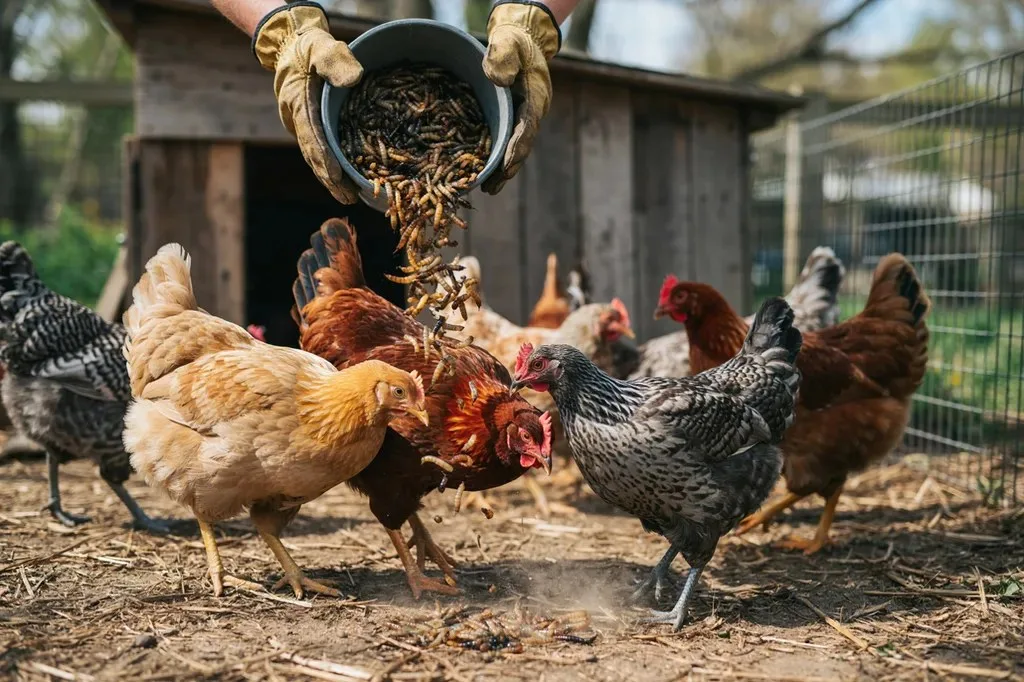
A free-ranging hen fills that gap on her own. She scratches up worms, beetles and grubs all day long. But a hen in a run has already found every bug in that dirt by the second week. After that, nearly all the protein she eats comes out of the bag you bought.
That’s why the bag feels like it disappears. Your hens aren’t wasting it. They’re eating the only protein you’ve given them.
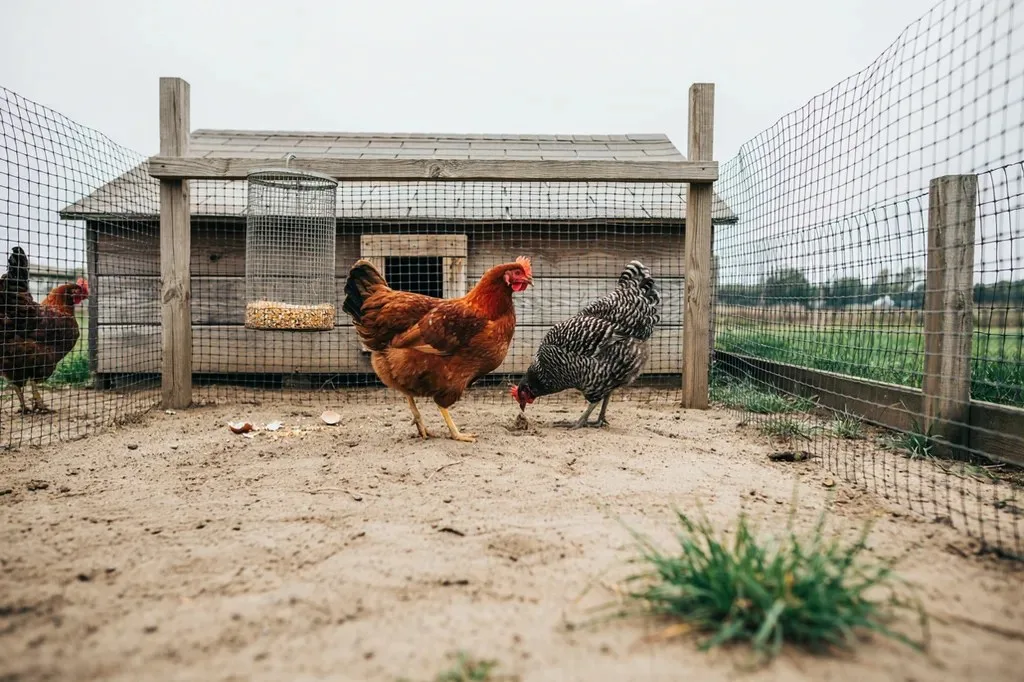
So the fix isn’t to buy a cheaper bag. The fix is to put bugs back in their day without buying them by the pound.
Meet the Black Soldier Fly (It’s Not What You Think)
Before you picture a cloud of flies around your back door, here’s what this insect actually is.
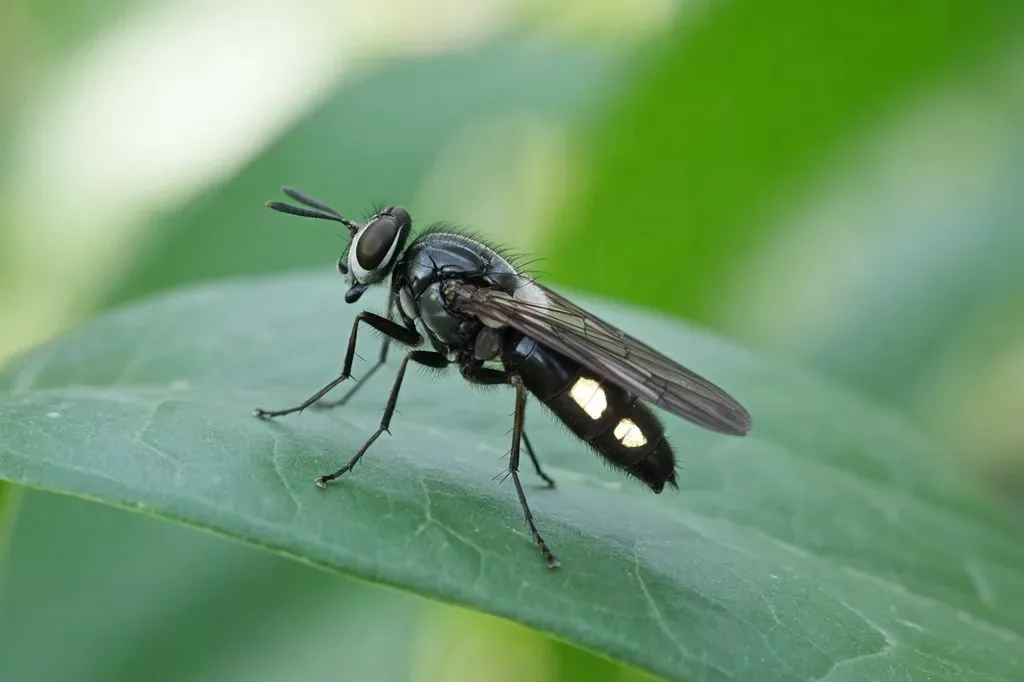
The black soldier fly is native to the Americas and common across much of the US, especially in warmer states. The adult looks like a slim, dark wasp about three-quarters of an inch long. It doesn’t bite. It doesn’t sting. It doesn’t even eat. It lives about a week, mates, lays its eggs near rotting food, and that’s the whole job.
The magic is in the larvae. These grubs eat kitchen scraps at an astonishing rate, roughly twice their own weight every day. When they’re fully grown, they stop eating, turn dark brown and do something very convenient: they climb up and out of the food looking for a dry place to change.
That climbing instinct is what makes the whole system work. You give them a ramp, and they deliver themselves to a bucket.
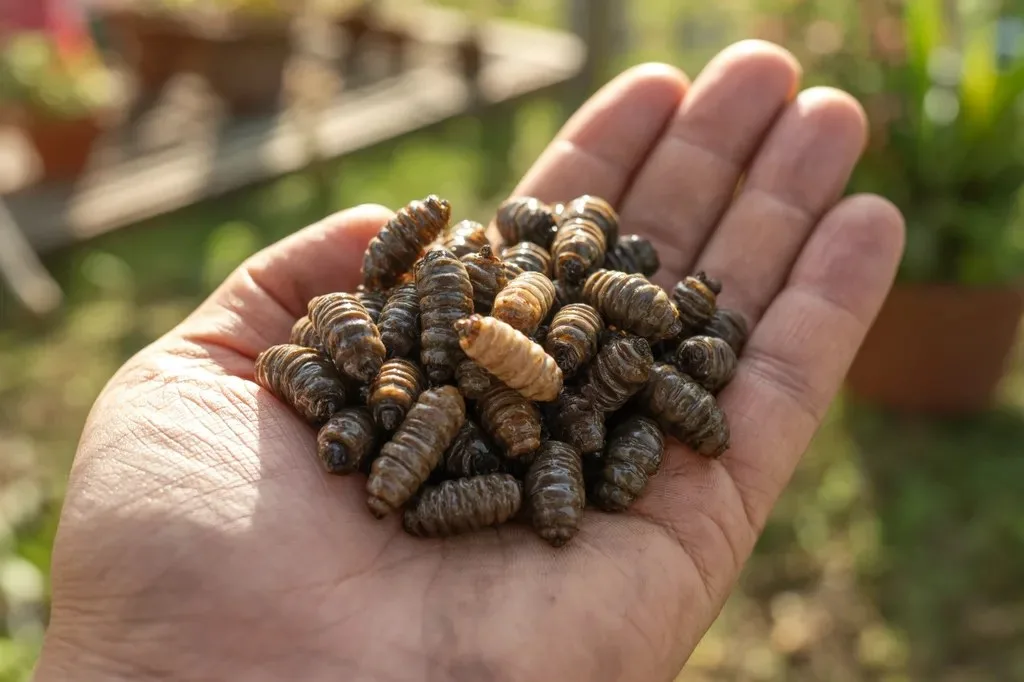
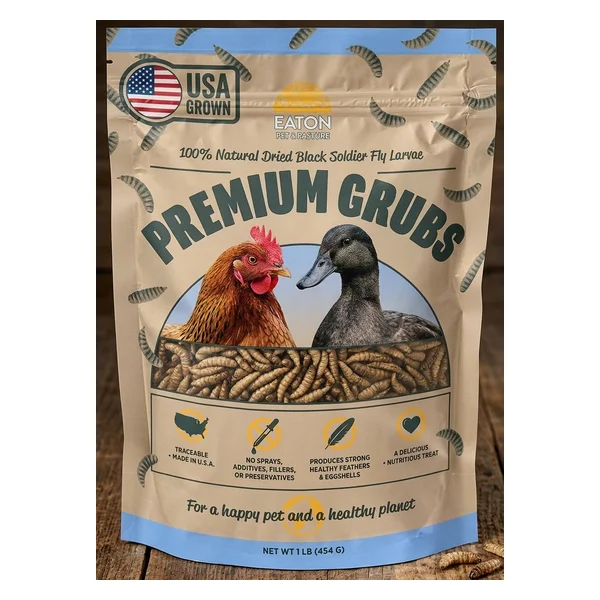
And hens go absolutely wild for them. These grubs are rich in protein and fat, and they carry a good amount of calcium too. If you’ve ever seen bags of dried soldier fly larvae sold as chicken treats, this is the same thing, only alive and free.
How Much Can One Bin Actually Make?
Let’s keep this honest, because a lot of videos online promise “infinite” feed.
As a rough rule, it takes somewhere around four to six pounds of kitchen scraps to grow one pound of grubs, depending on what you feed the bin. A busy family kitchen can turn out around a cup of larvae a day in high summer.
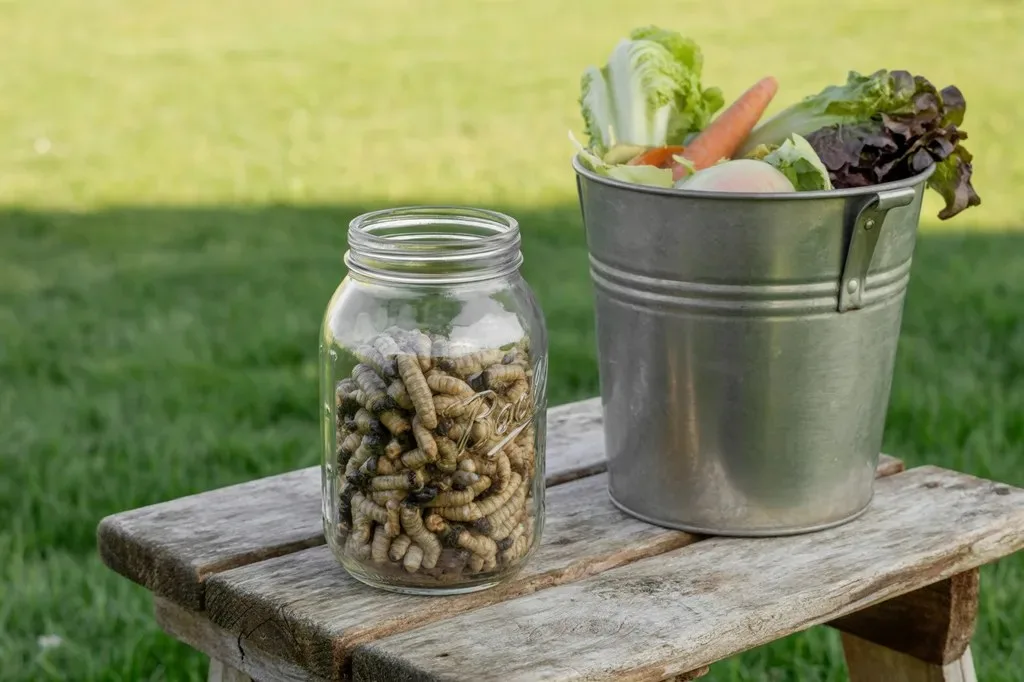
That won’t replace the feed bag. What it does is cover the protein treats you’d otherwise buy, keep your hens busy and happy, and turn trash you’d pay to haul away into something useful. Over a warm season, that adds up.
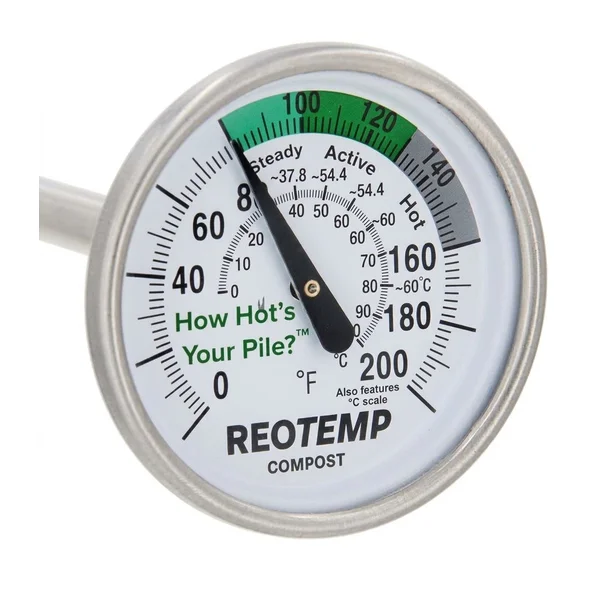
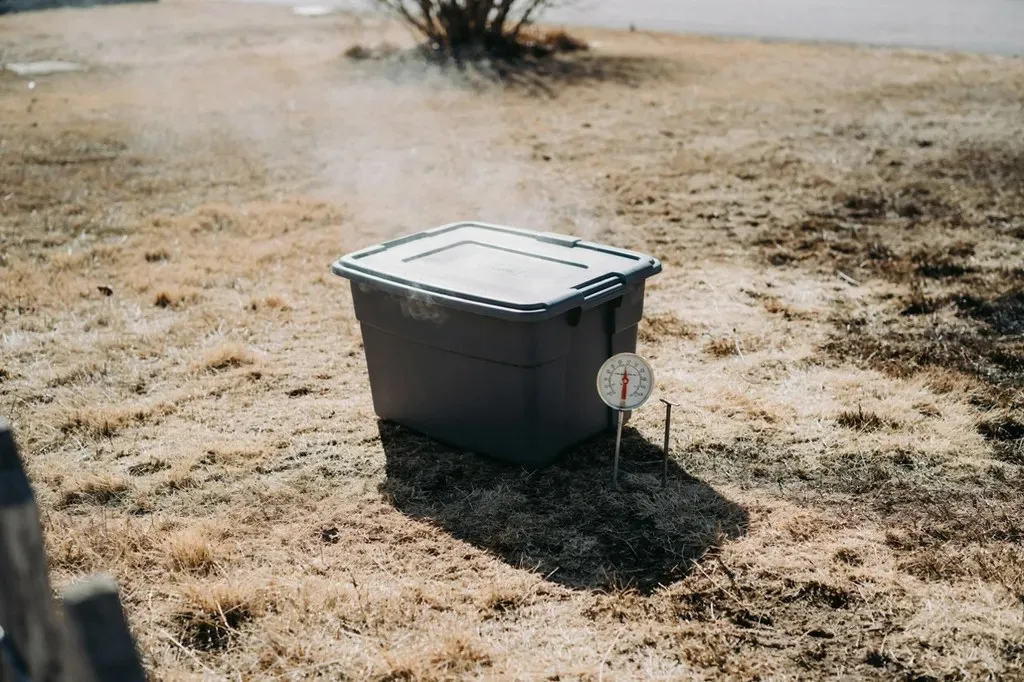
The other honest part: this is a warm-weather system. Soldier fly larvae thrive between about 75 and 86°F. Below about 60°F they slow right down, and below 50°F the colony stops. Above about 95°F the young ones can die. In most of the country, that means the bin runs from late spring into early fall. A simple compost thermometer pushed into the bedding tells you at a glance whether your bin is in the sweet spot.
Step-by-Step: Build the Bin That Harvests Itself
This takes an afternoon and basic tools. Here’s the setup we’d use for a flock of about a dozen hens.
Step 1: Pick a Dark Tote
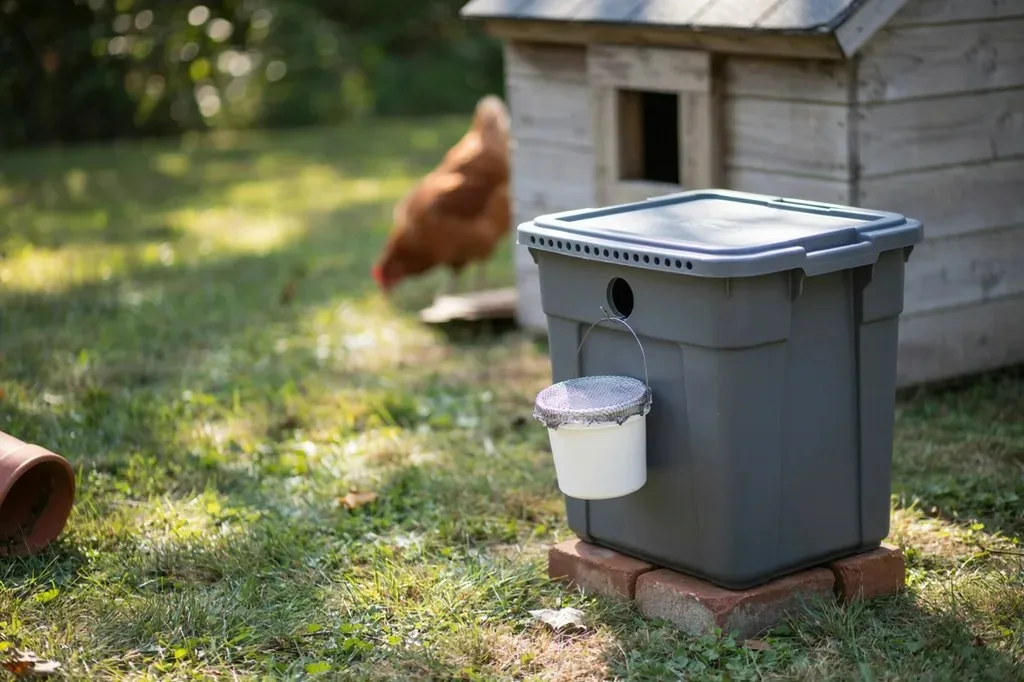
Start with an 18-gallon storage tote with a lid. Choose dark plastic, not clear, because the larvae hate light. For a small flock of five or six hens, a 5-gallon bucket with a lid works too.
Step 2: Drill the Drain and Entry Holes
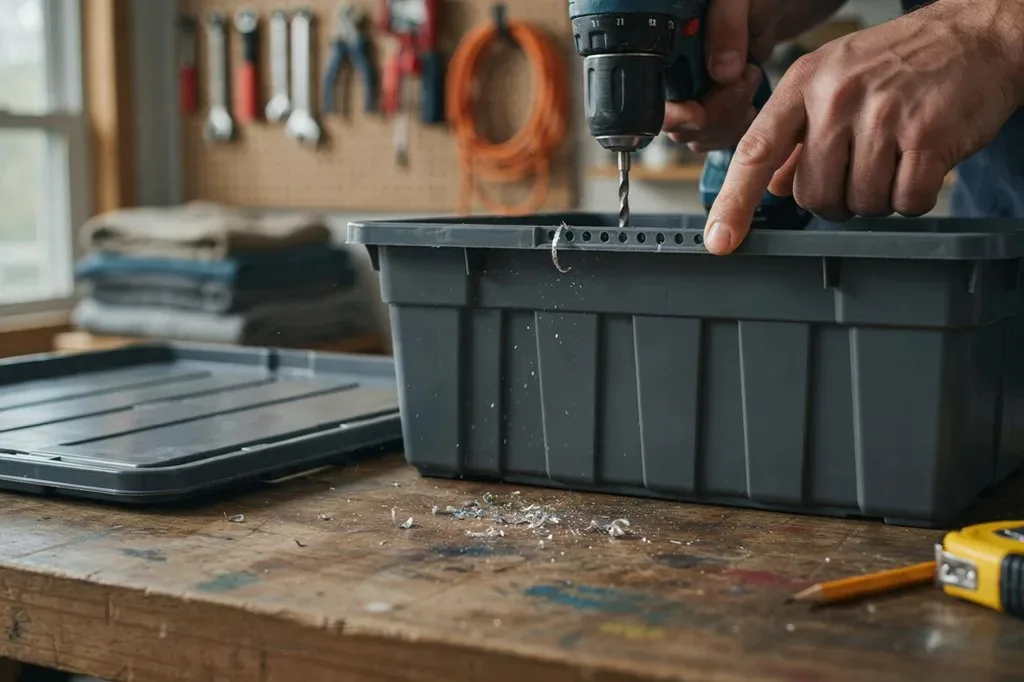
Drill six to eight small holes in the floor of the tote so extra liquid can drain out. A wet bin smells; a damp bin doesn’t.
Then drill a row of quarter-inch holes along the top edge, just under the lid. This is the front door for the adult flies. Keep the lid snug everywhere else so common house flies stay out.
Step 3: Add the Ramp
Fix a strip of wood or rigid plastic, about four inches wide, from the floor of the tote up one long side at an angle of 30 to 40 degrees. Too steep and the grubs can’t climb. Too shallow and the scraps slide up with them.
Step 4: Cut the Exit (This Is the Secret)
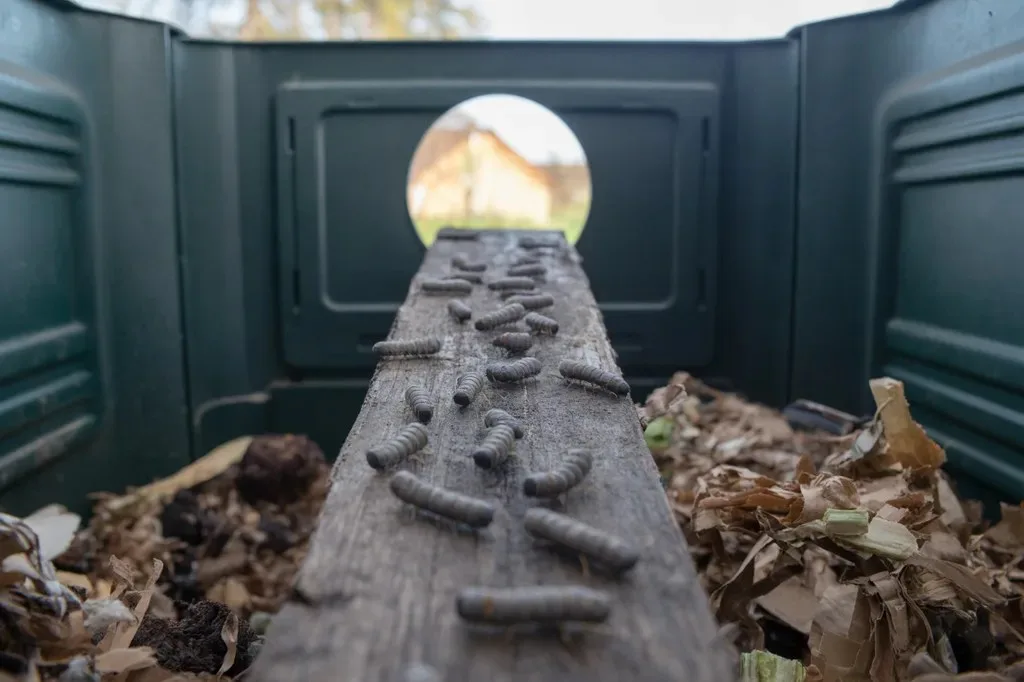
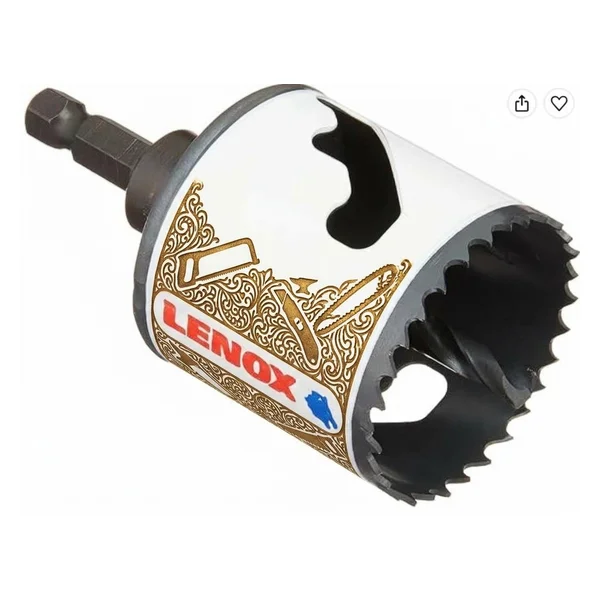
Here’s the detail that does the harvesting for you. Where the top of the ramp meets the tote wall, about ten inches off the floor, cut a hole about two inches wide. A 2-inch hole saw on a drill makes this a ten-second job.
When the grubs are done eating, they climb the ramp, reach the hole and drop straight through it. You never dig, sift or sort. You just collect.
Step 5: Hang the Collection Bucket
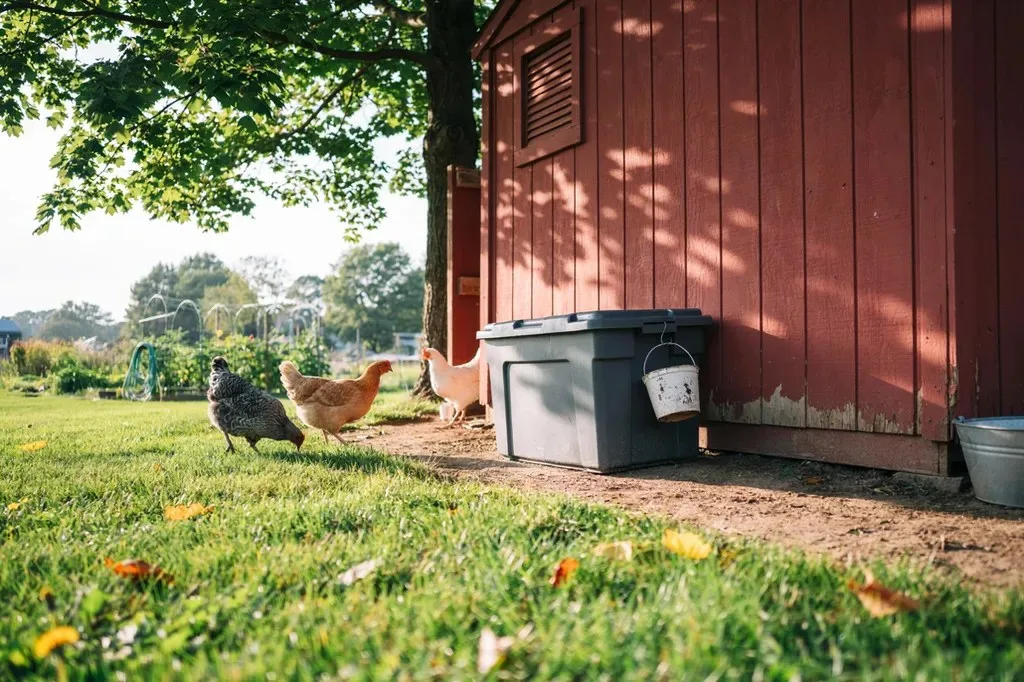
Hang a small lidded pail on the outside of the tote, right under the exit hole. Drill three drain holes in its bottom so rain can’t drown your harvest, and lay a scrap of screen mesh over the top to keep wild birds out.
Step 6: Lay the Bedding
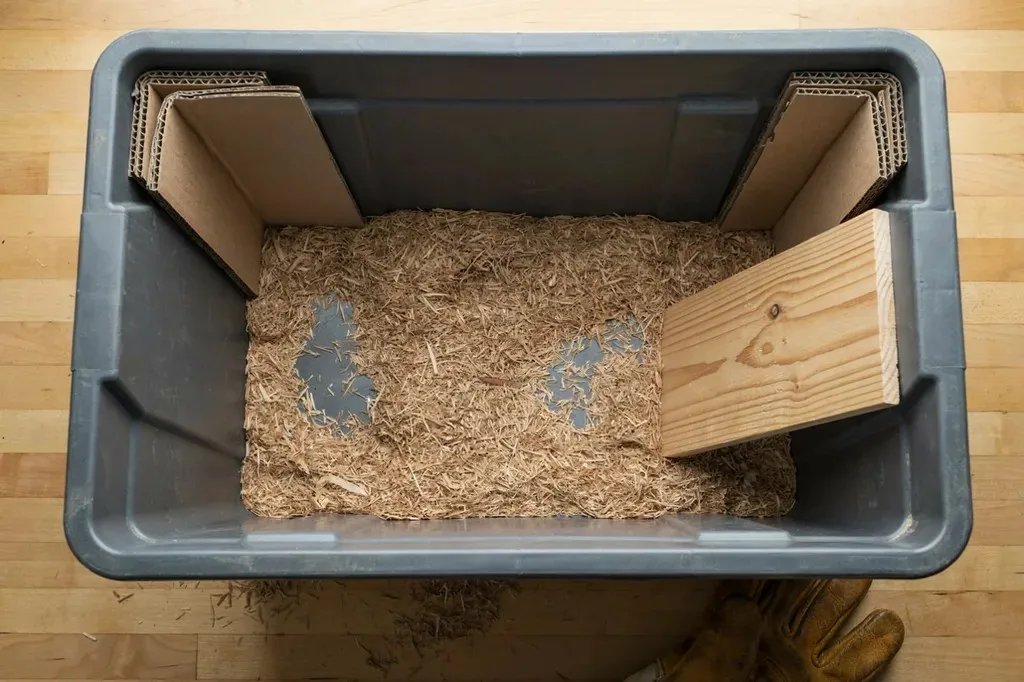
Put two inches of dry shredded cardboard or dead leaves in the bottom. Tuck a few pieces of corrugated cardboard into the top corners. The adult flies love to lay their eggs in those little flutes.
Step 7: Start the Colony
In warm areas, wild soldier flies will often find your bin on their own within a few weeks. If you want to skip the wait, or you live somewhere cooler, buy a starter batch of small live larvae from an insect supplier and add them right on top of the first scraps. (Most larvae sold on Amazon are dried, which are great for your hens but won’t start a colony.)
Where to Put It
Part shade is ideal: morning sun, afternoon shade. Against the north wall of the coop or under a tree works well.
Keep it about twenty feet from the house and downwind. A healthy bin smells earthy, not foul, but you’ll be glad of the distance on a hot day when you lift the lid.
What to Feed the Bin (and What to Keep Out)
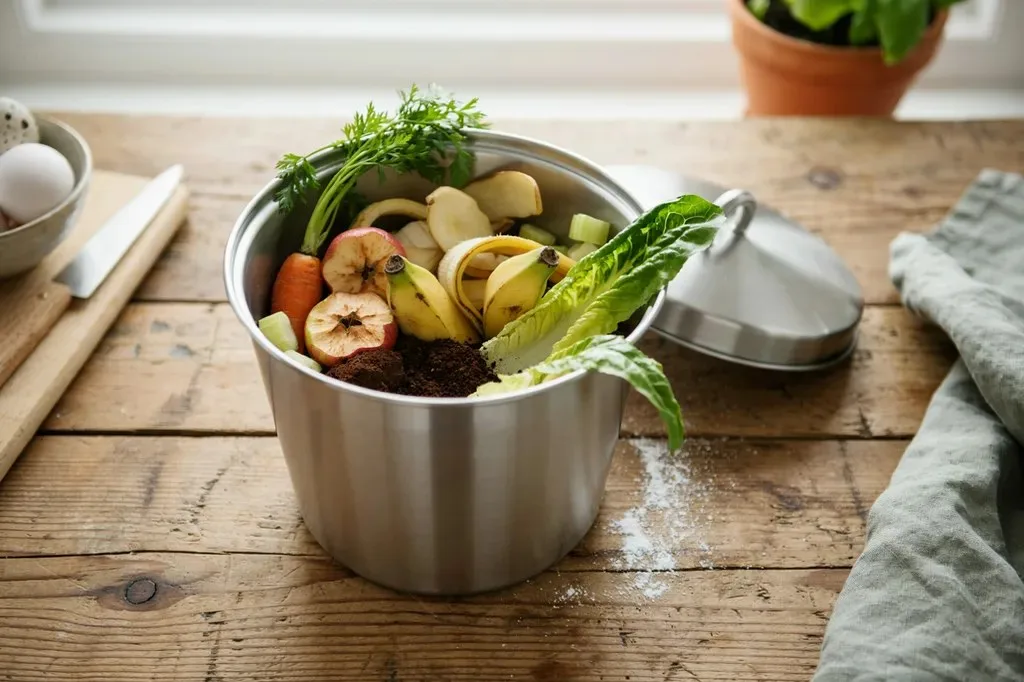
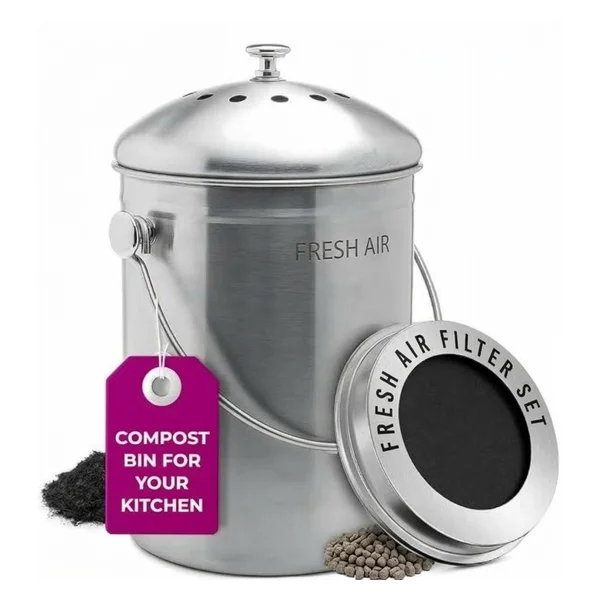
The larvae will eat most of what comes out of your kitchen, and so will your hens, with a few important exceptions. A countertop scrap pail makes it easy to save everything in one place.
Good in the bin:
- Fruit and vegetable scraps, peels and cores
- Stale bread, cooked rice, pasta and oats
- Coffee grounds and tea leaves
- Garden trimmings that are soft and green
Keep out:
- Large amounts of meat, fish and dairy (strong smells and unwanted visitors)
- Greasy or very salty food
- Anything moldy beyond a little spot
- Lots of citrus at once (it turns the bin sour)
- Chicken manure, if the grubs are going back to the same flock
Aim for damp, like a wrung-out sponge. If the bin gets soupy, add a handful of dry shredded cardboard. If the larvae start crawling out the top instead of up the ramp, it’s too wet.
Read also: What Kitchen Scraps Can Chickens Eat? (And the Ones That Can Make Them Sick)
How to Feed the Grubs to Your Hens
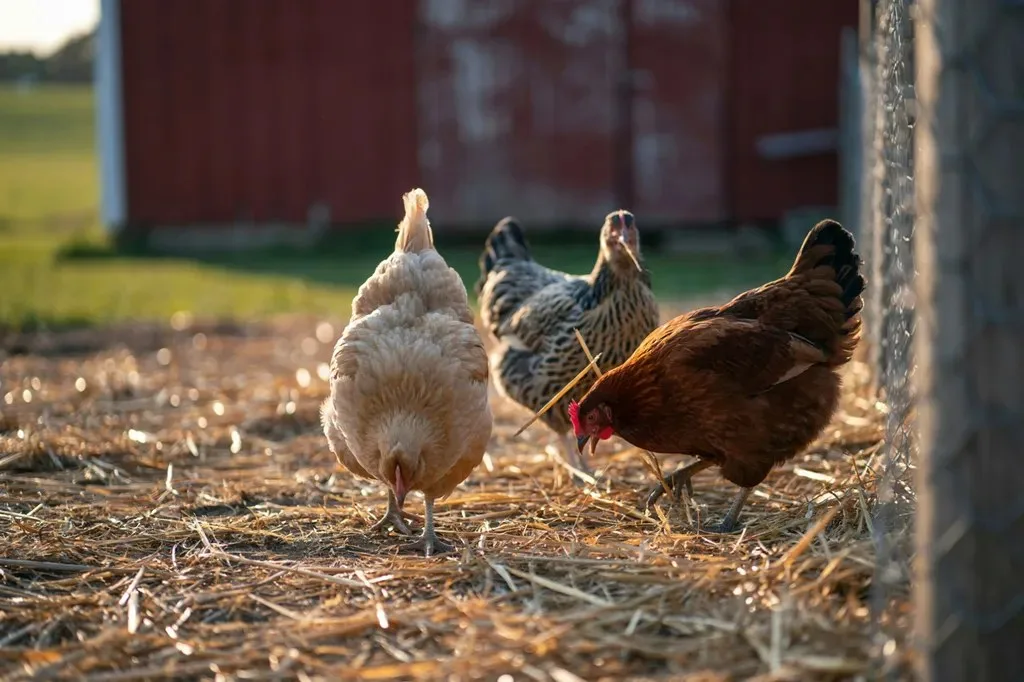
Carry the bucket to the run and scatter the grubs on the ground. Your hens will clear them in minutes, and they’ll scratch and chase while they do it, which is half the fun.
Treat the larvae as a daily protein boost, not a full meal. They’re rich in fat, so a small handful per hen per day is plenty. A good rule is to keep all treats to about 10 percent of what your hens eat, with their regular feed making up the rest. Scatter them in the afternoon, after the hens have eaten most of their ration.
Read also: The Mealworm Tote: Raise Chicken Protein Indoors All Winter
When the bin goes quiet in the cold months, the protein has to come from somewhere else. The free 6 Lost Feed Methods guide shows the indoor backups that keep going all winter, right in a mudroom. The easiest one to start is a simple mealworm tote. Until it’s running, a bag of dried soldier fly larvae keeps the treats coming.
Common Mistakes That Stop the Bin Working
- Putting it in full sun. A tote baking in summer heat can get hot enough to kill the young larvae. A compost thermometer warns you first.
- Too wet. No drain holes means a sour, smelly bin.
- A ramp that’s too steep. The grubs can’t climb past 40 degrees or so.
- Gaps around the lid. House flies get in, and then you really do have a fly problem.
- Starting too early. Below about 60°F, nothing much happens. Wait for warm nights.
Want the Rest of the System?
The bin is just one of 7 ways to feed your hens for less. It works best as part of a bigger plan that cuts the feed bill all year, not just in summer.
Frequently Asked Questions
Will a soldier fly bin attract flies to my house?
Not the annoying kind. Adult soldier flies don’t bite, don’t eat and don’t come indoors looking for food. Many keepers actually notice fewer house flies around an active bin. Keep the lid snug and the bin about twenty feet from the house.
Does the bin smell?
A healthy bin smells earthy. A bad smell almost always means it’s too wet or has too much meat or dairy in it. Add dry cardboard and cut back on those scraps.
How long before I get my first grubs?
If you start with live larvae in warm weather, you can see grubs climbing into the bucket within two to three weeks. Waiting for wild flies to find the bin can take a little longer.
Can I feed the larvae to my hens every day?
Yes, as a small daily treat alongside their regular feed. Because the grubs are rich in fat, a small handful per hen is the right amount.
What happens to the bin in winter?
Below about 50°F the colony goes quiet. Most keepers let the bin rest, use the leftover material as compost for the garden, and start fresh in spring.
Keep Reading
- How to Feed Chickens for Free: 7 Ways to Cut the Feed Bill
- How to Ferment Chicken Feed (So the Bag Lasts Longer)
- The Perennial Plants That Feed Your Chickens Every Year
📷 Built your own bug bin? Send us a photo of your setup and your hens might be featured on Success Formula Lab.