
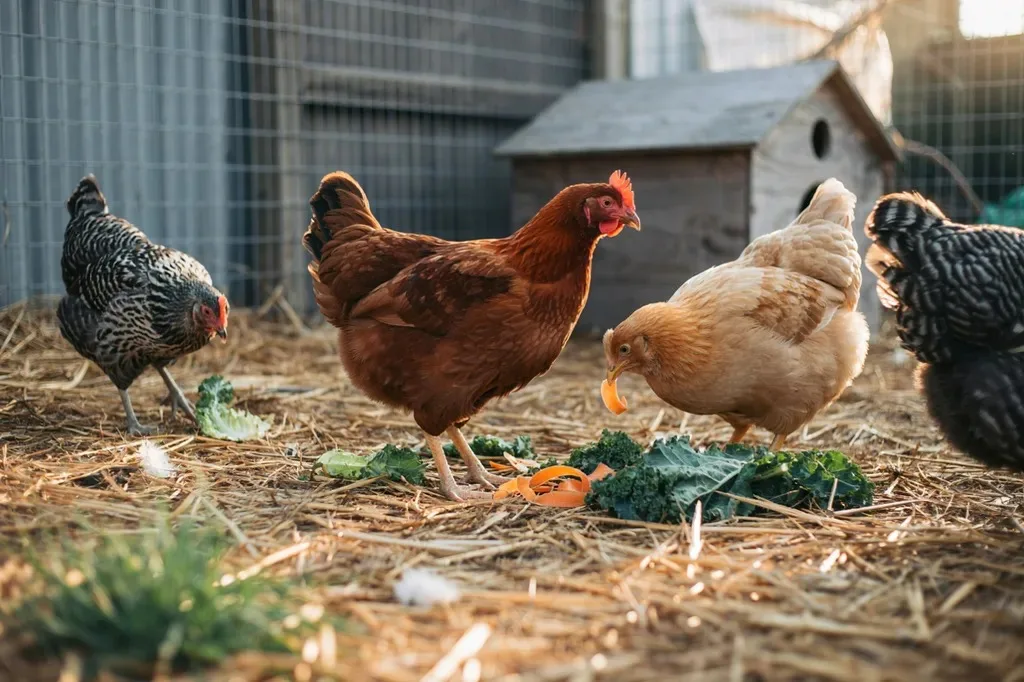
First, the One Rule That Keeps Your Hens Healthy
“Free feed” never means throwing away the bag. A laying hen needs a balanced ration with about 16 percent protein and plenty of calcium to stay healthy. A good layer feed gives her exactly that.
Everything below works by covering part of what she eats, so the bag lasts longer. Keep the layer feed in the feeder, keep a dish of oyster shell beside it, and treat the free extras as the topping, not the whole meal.
With that rule in place, here are seven ways to make the bag stretch further.
1. Turn Kitchen Scraps Into Grubs
This is the easiest win, and it runs itself. A dark plastic tote, a simple ramp and one strange insect, the black soldier fly, turn your peels and leftovers into plump grubs. When the grubs are fully grown, they climb the ramp and drop into a bucket. You just carry the bucket to the run.
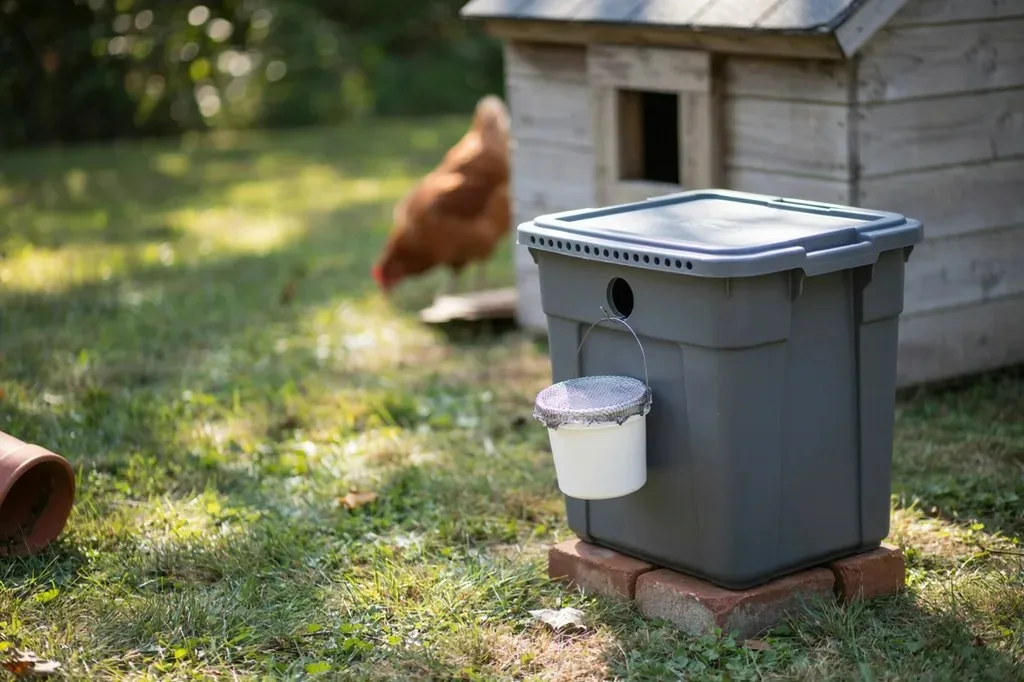
It’s a warm-weather system, so it shines from late spring into early fall. Here’s the full step-by-step build, including the one detail that makes it harvest itself.
2. Feed the Right Kitchen Scraps (and Skip the Wrong Ones)
Most of what comes off your cutting board is perfectly good chicken food: vegetable peels, squash, greens, overripe fruit, stale bread and cooked rice. Hens love variety, and scraps you’d otherwise throw away become something useful.
But a handful of everyday foods can make chickens sick, and a couple of them are in almost every kitchen. Check the full safe-and-unsafe list before you toss tonight’s plates into the run.
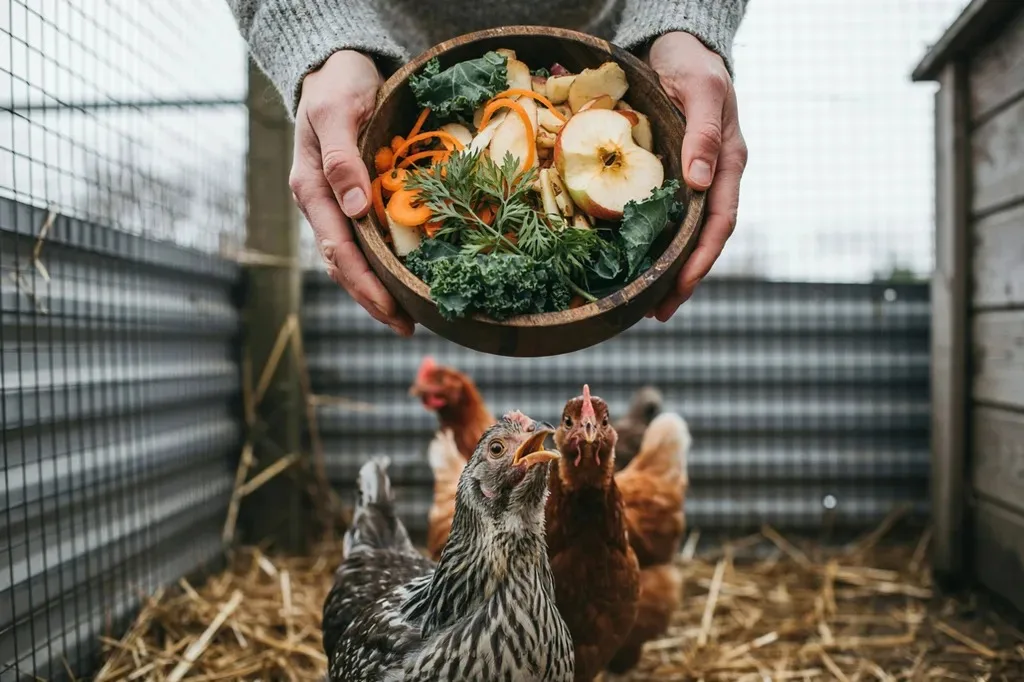
The simple rule: keep all scraps and treats to about 10 percent of what your hens eat each day.
3. Ferment the Feed You Already Buy
This one doesn’t add anything new. It just changes what you do with the bag. You soak the feed in water for a few days until it turns slightly sour, like sourdough, then serve it as a wet mash.
Many keepers find their hens waste far less, because wet mash can’t be flicked out of the feeder the way dry crumbles can, and the soaked feed is more filling. The whole setup is a bucket, water and a spoon.
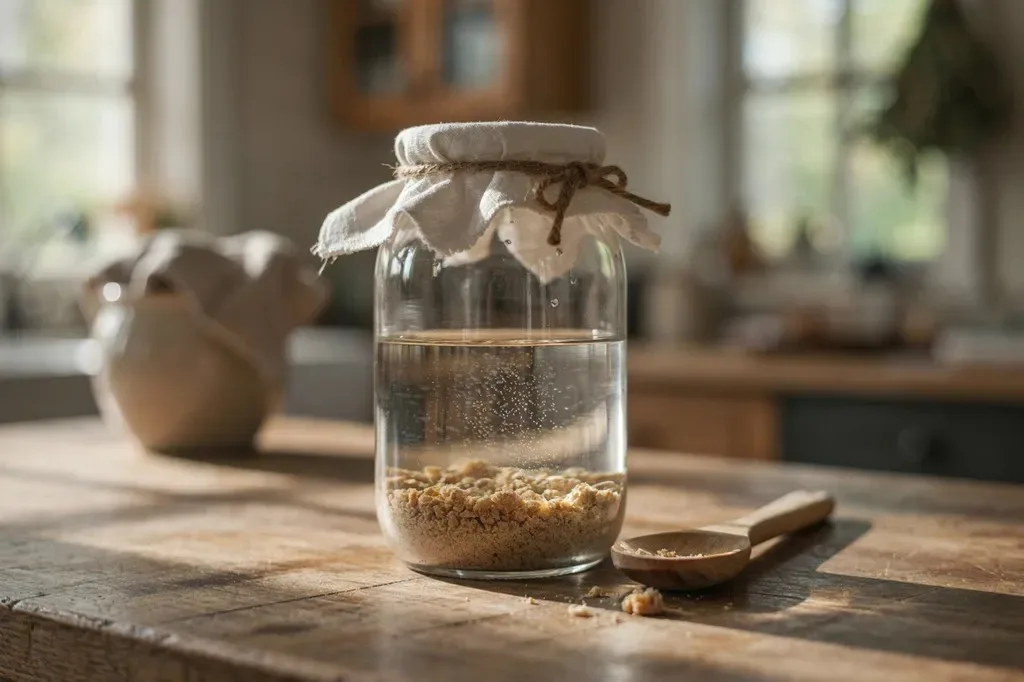
Here’s how to ferment chicken feed the simple way, and the three signs it has gone wrong.
4. Raise Mealworms Indoors for Winter Protein
When the bug bin goes quiet in the cold, a mealworm farm takes over. Mealworms are the larvae of a small, harmless beetle, and they live happily in a stack of plastic drawers or a tote filled with oats or wheat bran. They don’t smell when kept dry, they don’t bite, and they need almost no care.
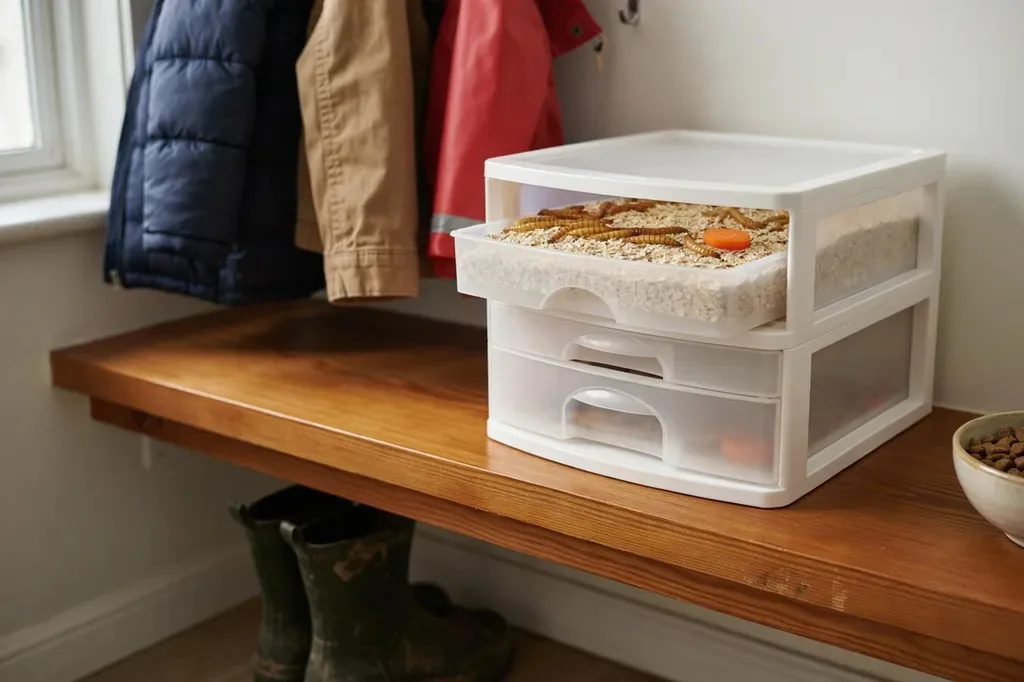
The catch is timing. A new colony needs a few months to build up, so the best time to start is in the fall, before you need it. Here’s the simple tote setup and the mistake that wipes out most first colonies.
5. Plant Once, Feed for Years
Some plants come back every spring and give your hens leaves, seeds or fruit without any replanting. Mulberry trees drop fruit straight into the run. Clover and dandelions are favorites for grazing. A few others pack serious protein into their leaves.
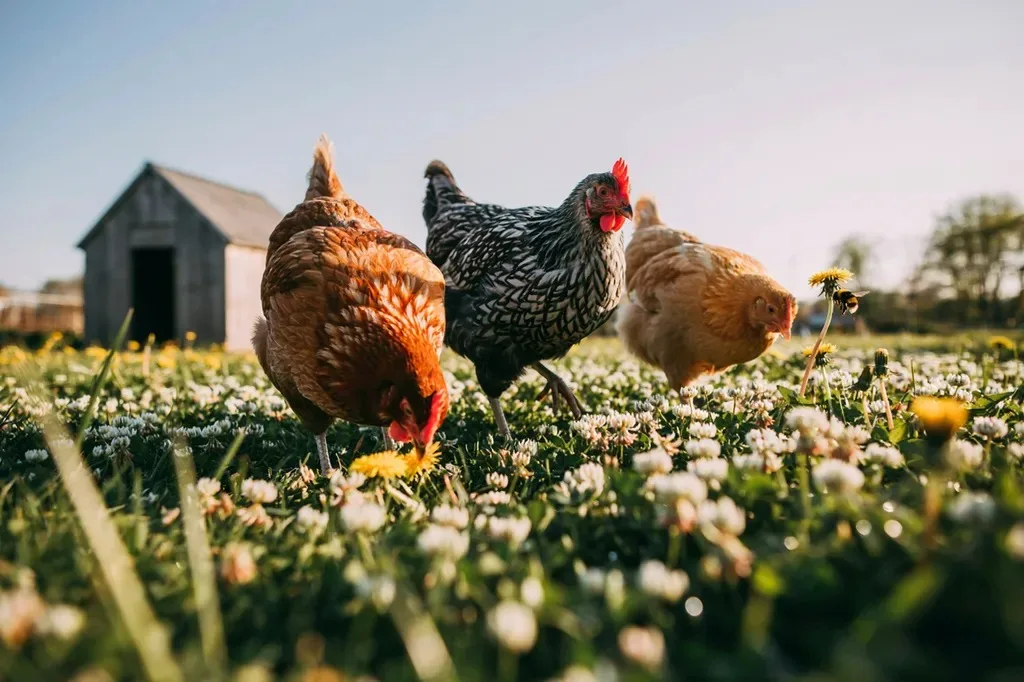
None of them replaces the feed bag on its own, but together they add real, free food every season. Here are the perennial plants worth planting for your flock, and the one you should be careful with.
6. Let Your Hens Work the Compost Pile
A compost pile is a buffet for chickens. Worms, beetles and grubs gather under the warm, damp layers, and hens will happily scratch through it all day. As a bonus, they turn and shred the pile for you, so it breaks down faster.
Keep the pile mostly plant material, and leave out meat, dairy and anything moldy. Here’s a simple 3-bin compost corner that doesn’t smell.
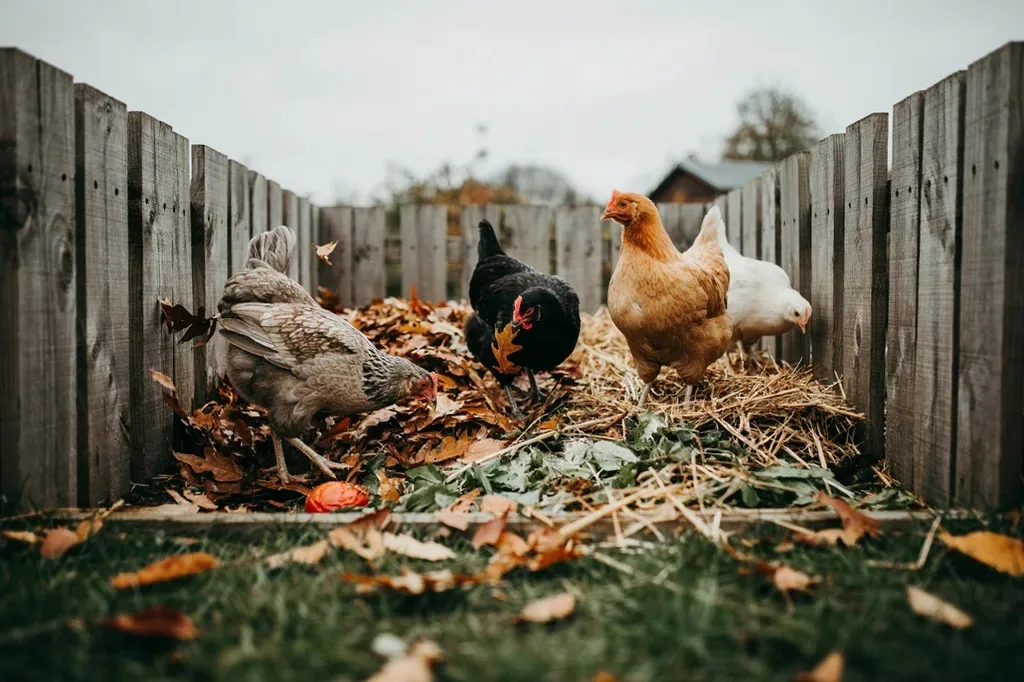
An old trick that works the same way: lay a couple of old boards flat on damp ground near the run. Bugs gather underneath overnight. Flip one each morning and let the hens clean it up.
7. Sprout Grain Into Fresh Greens
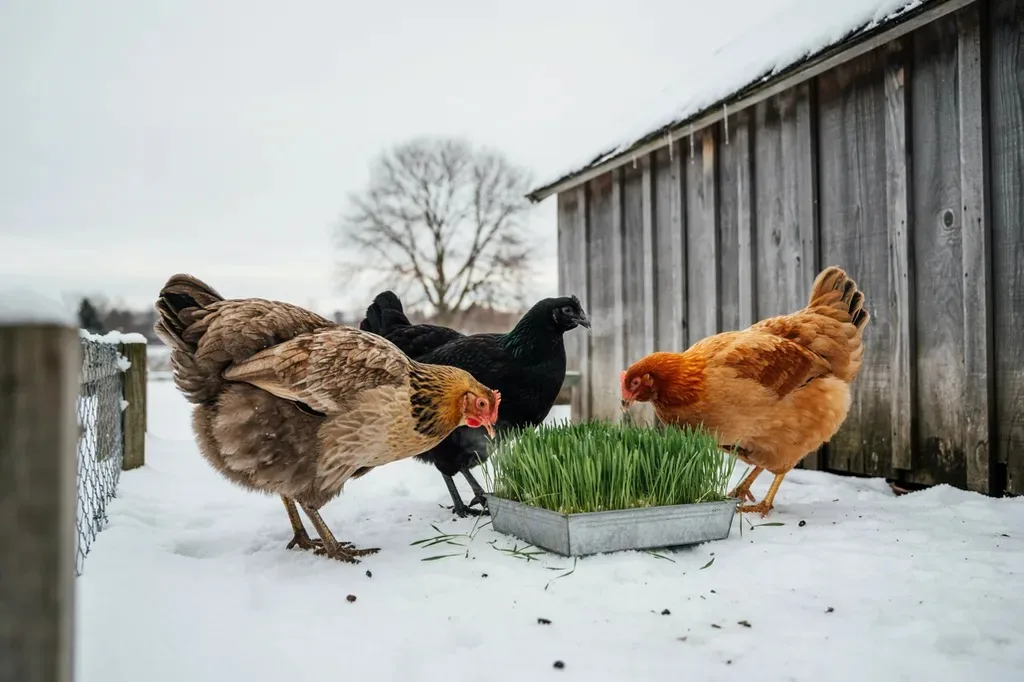
In the months when nothing grows outside, you can grow a small tray of fresh greens on a windowsill. Soak whole grains like wheat or barley overnight, spread them in a shallow tray with drainage holes, and rinse them twice a day. In about a week you’ll have a thick green mat your hens will tear into.
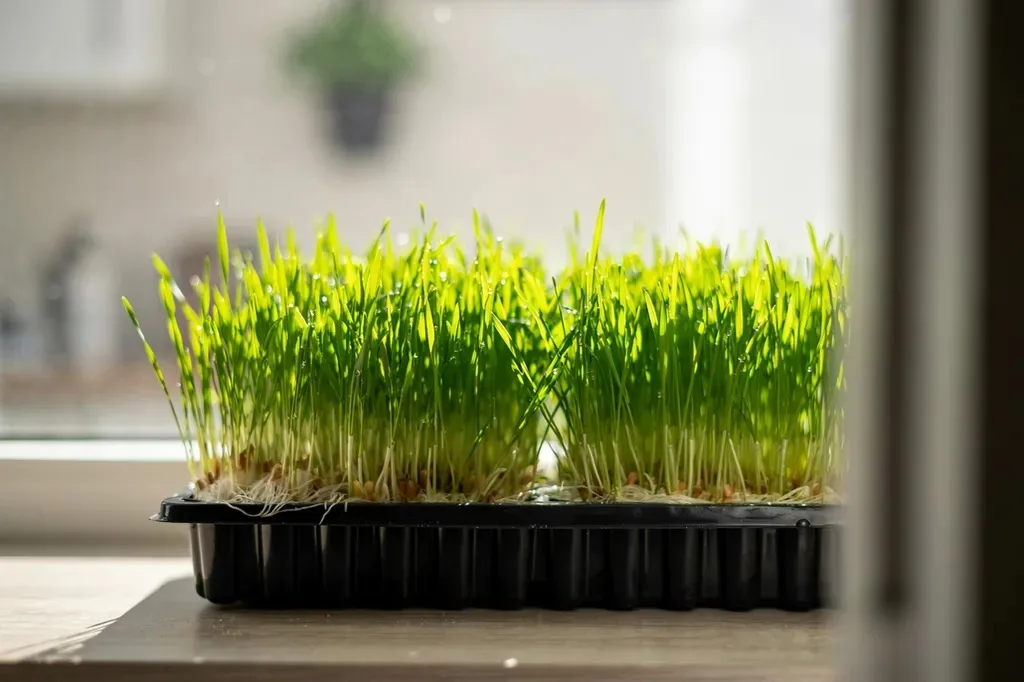
Sprouts are a fresh, cheap treat that keeps hens busy in winter. Rinse often and toss any tray that smells sour or shows mold.
Bonus: Stop Feeding the Rats and Wild Birds
Here’s a way to save that most people never think about. A lot of feed never reaches your hens at all. Sparrows, starlings, mice and rats can quietly eat a big share of an open feeder, especially in winter when they’re hungry too.
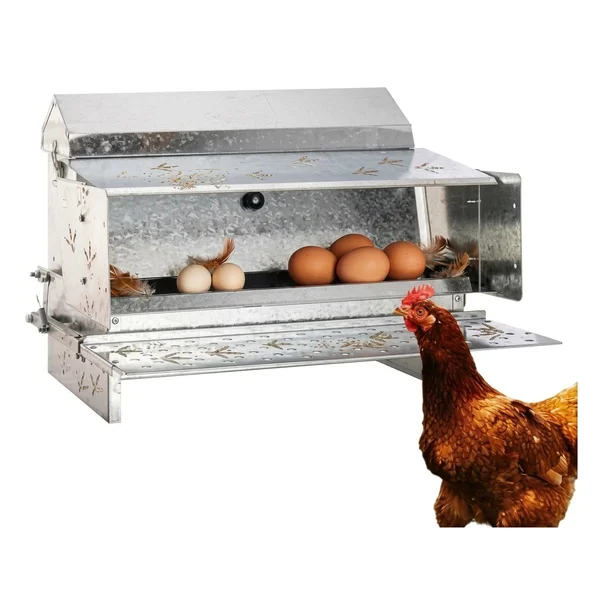
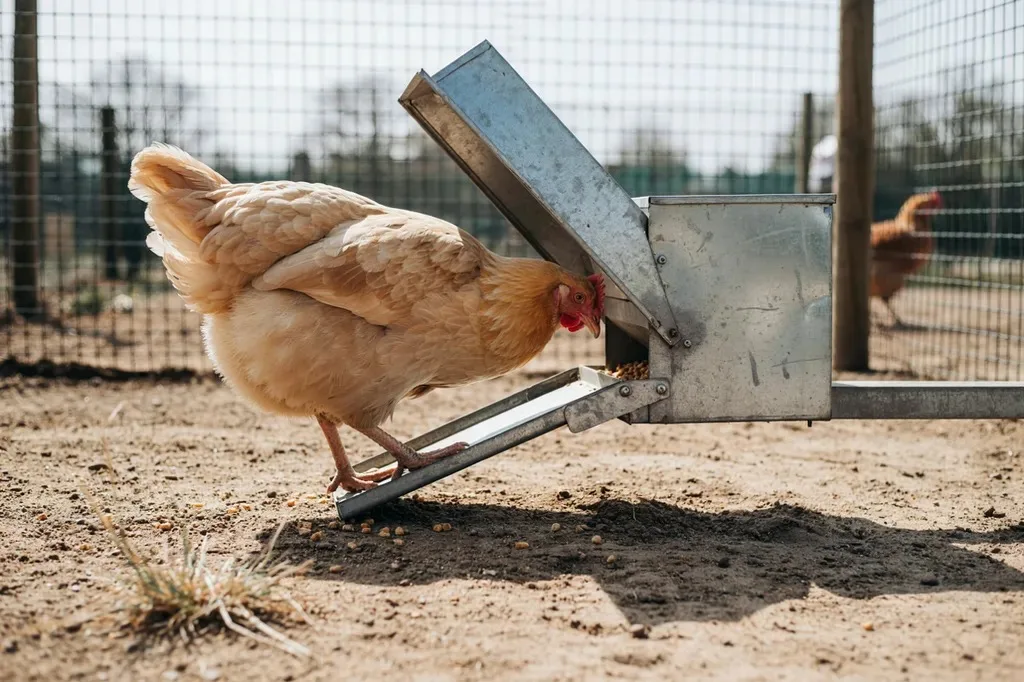
- Use a covered or treadle feeder. A treadle feeder only opens when a hen steps on the platform, so small birds and rodents can’t get in.
- Close the feeder or bring it in at night. Rats do most of their eating after dark.
- Store feed in a metal bin with a tight lid. Rodents chew through plastic bins and paper bags.
- Hang the feeder at the height of a hen’s back. Hens rake less feed onto the ground when they don’t have to bend down to eat.
None of this costs much, and every scoop that stays in the feeder is a scoop you don’t have to buy again.
Mistakes That Cost More Than They Save
- Too many treats. Hens that fill up on scraps eat less of their balanced feed. Stick to about 10 percent.
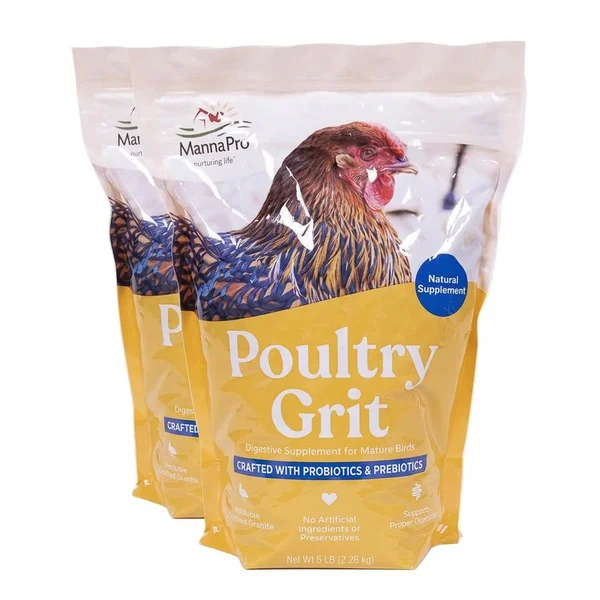
- No grit. Hens in a run need poultry grit to grind anything besides commercial feed.
- Treated grass clippings. Never feed clippings from a lawn sprayed with weed killer or fertilizer.
- Wet, spoiled feed. Feed left in the rain molds quickly and has to be thrown away. Keep feeders covered.
- Moldy scraps. Mold can make chickens sick. When in doubt, compost it.
How to Combine Them Through the Year
The real savings come from stacking these, so something free is always coming in:
- Spring: start the bug bin, plant perennials, let the hens graze new clover.
- Summer: the bug bin runs at full speed, scraps and garden extras are everywhere.
- Fall: start the mealworm farm, feed pumpkin and squash scraps, work the compost.
- Winter: mealworms, sprouted grain and fermented feed carry the load.
Frequently Asked Questions
Can chickens live on free food alone?
Not safely for most backyard flocks. Laying hens need balanced protein and a lot of calcium. Free extras work best on top of a good layer feed, with oyster shell always available.
Do I need grit if my hens eat scraps?
Yes, if they don’t free range. Chickens grind food in their gizzard with small stones. Hens in a run should have a dish of poultry grit whenever they eat anything besides commercial feed.
How much can I really save?
It depends on the size of your flock, your kitchen and your climate. Most keepers who combine several of these methods find the bag lasts noticeably longer, and the biggest savings usually come from cutting waste and keeping rodents out, not from any single trick.
Is free-ranging the best way to save on feed?
Free-ranging hens find a lot of their own food in spring and summer, and they eat less feed. The trade-off is predators. If you can’t free range safely, a movable run or a chicken tractor on fresh grass gives some of the same benefit.
Which way should I start with?
Kitchen scraps and fermented feed cost nothing to start and work today. In the fall, start a mealworm farm. In spring, build the bug bin and plant perennials.