
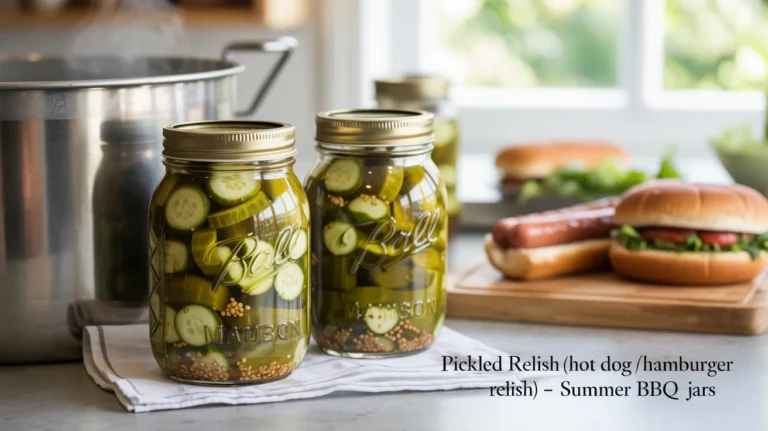
Nothing says cookout comfort like a spoonful of bright, tangy pickled relish on a sizzling hot dog or stacked hamburger. This guide walks you through everything you need to make classic hot dog/hamburger relish at home—perfect Summer BBQ jars you can water-bath can, stash in your pantry, and open all season long. We’ll cover ingredients, technique, canning safety, texture tips, flavor variations, and storage so your jars are safe, crisp, and irresistibly good.
If you dream about growing your own relish garden and becoming more self-reliant, take a look at The Self-Sufficient Backyard for practical, homestead-friendly systems you can start on a small lot.
Essential ingredients and gear for classic BBQ relish
A great hot dog/hamburger relish starts with fresh produce and a balanced, brightly acidic brine. Your ingredient list is simple, but quality matters.
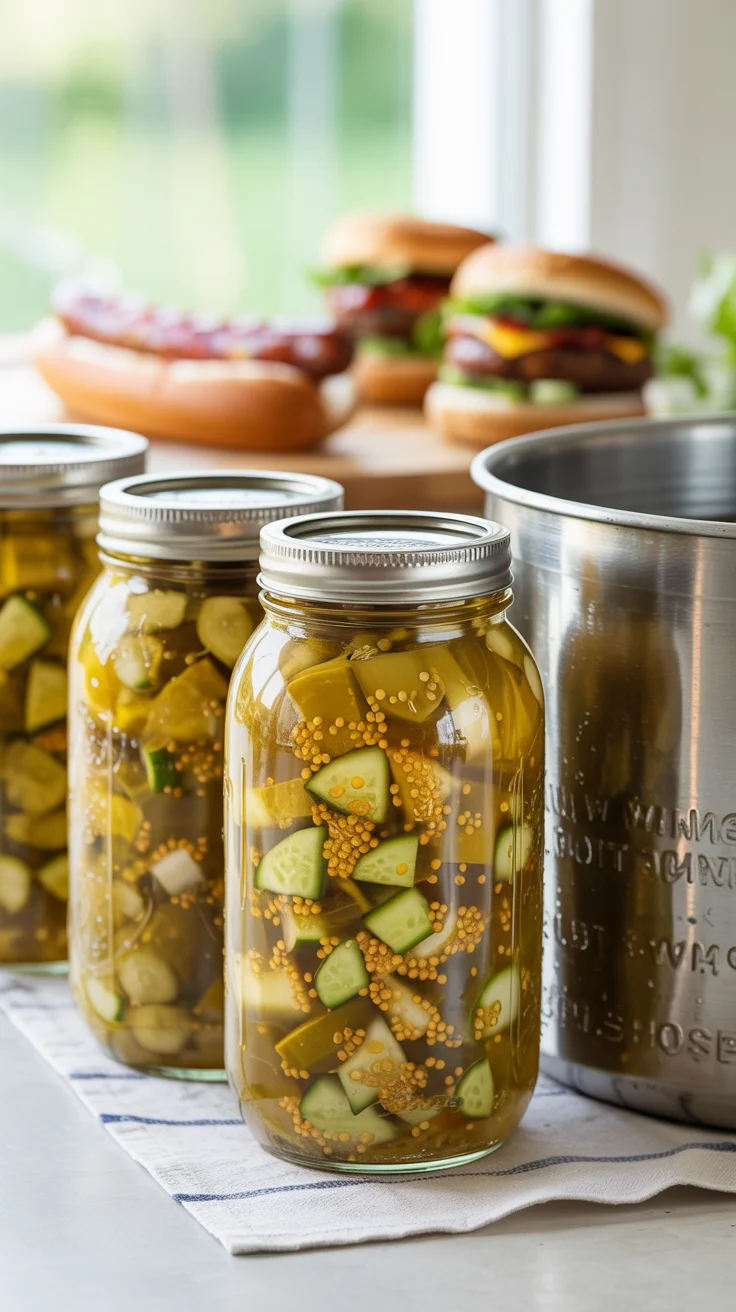
- Cucumbers: Firm, small pickling types (often called Kirby cucumbers) are ideal. They’re dense, have fewer seeds, and hold crunch through salting and cooking.
- Onion: Yellow or sweet onion builds depth and aroma.
- Bell pepper: Green for classic deli color, or mix red/yellow for a sweeter note.
- Vinegar: Use 5% acidity distilled white vinegar for reliable pH and a clean flavor that won’t muddy the color.
- Sugar: Balances acidity and sharpness. You can adjust sweetness within reason but never reduce vinegar below tested ratios.
- Salt: Use pickling salt or pure kosher salt without anti-caking agents for clear brine.
- Spices: Mustard seed, celery seed, turmeric, black pepper. Turmeric adds that iconic relish glow.
- Optional heat: Jalapeño or serrano finely minced; add seeds for more heat.
Canning gear to set yourself up for success:
- Canner: Water-bath canner with rack, or a deep stockpot with a bottom trivet and a tight-fitting lid.
- Jars: Half-pint or pint Mason jars (Ball/Kerr). Use new two-piece lids for reliable seals.
- Tools: Jar lifter, funnel, bubble remover/headspace tool, ladle, clean towels.
- Knife/food processor: A sharp chef’s knife for precise dicing, or pulse in a processor for an even mince (do not puree).
A note on safety:
- Vinegar must be 5% acidity.
- Use tested recipes for exact vegetable-to-vinegar ratios, headspace, and processing time. See university extensions or the National Center for Home Food Preservation.
- Do not thicken relish with flour, cornstarch, or starches; they can affect heat penetration and safety.
Helpful related reads:
Choosing cucumbers and vegetables for crisp, vibrant relish
The best relish starts at the market, farm stand, or backyard garden. Look for:
- Pickling cucumbers: 3–5 inches long, small seeds, bumpy skin. They’re often labeled “Kirby” or “pickling cucumbers.” Their firmness and lower water content make them ideal for relish.
- Avoid large slicing cucumbers: They’re more watery, with big seeds and softer flesh that can go mushy. If you must use them, you’ll need extra draining and de-seeding.
- Uniform freshness: Relish is minced or finely diced; mixing limp and crisp produce yields uneven texture.
- Onions and peppers: Choose glossy, firm onions and crisp bell peppers. Green bell peppers give that classic deli color and slight bitterness that balances sweetness.
How to prep produce for best flavor and texture:
- Dice, don’t puree. Minced pieces pack nicely into jars and retain some bite.
- Consider de-seeding watery cucumbers and peppers.
- Keep size consistent. Aim for 1/8- to 1/4-inch dice so the relish spreads evenly on hot dogs and burgers.
Color and flavor play:
- Classic deli green: Mostly green bell pepper, cucumber, onion, and a touch of turmeric.
- Sweet summer palette: Mix red and yellow bell peppers for a mellow, sweet-forward relish that also pops visually on grilled meats.
- Spicy edge: Add jalapeño or serrano to half the batch to create “hot relish” jars alongside a classic sweet-dill version.
Water matters too. If your tap water is strongly chlorinated or mineral-heavy, it can dull flavors. For the cleanest brine and brightest veggies, use filtered water if needed. If you’re building a more self-reliant kitchen and garden, consistent access to clean water pays off—systems like The AquaTower can support gardening and household needs while reducing reliance on store-bought water.
Prepping produce: salting, draining, and texture control
Relish has a notorious nemesis: excess water. Watery cucumbers can yield a thin brine and mushy texture. The fix is easy—salt, rest, drain, and rinse.
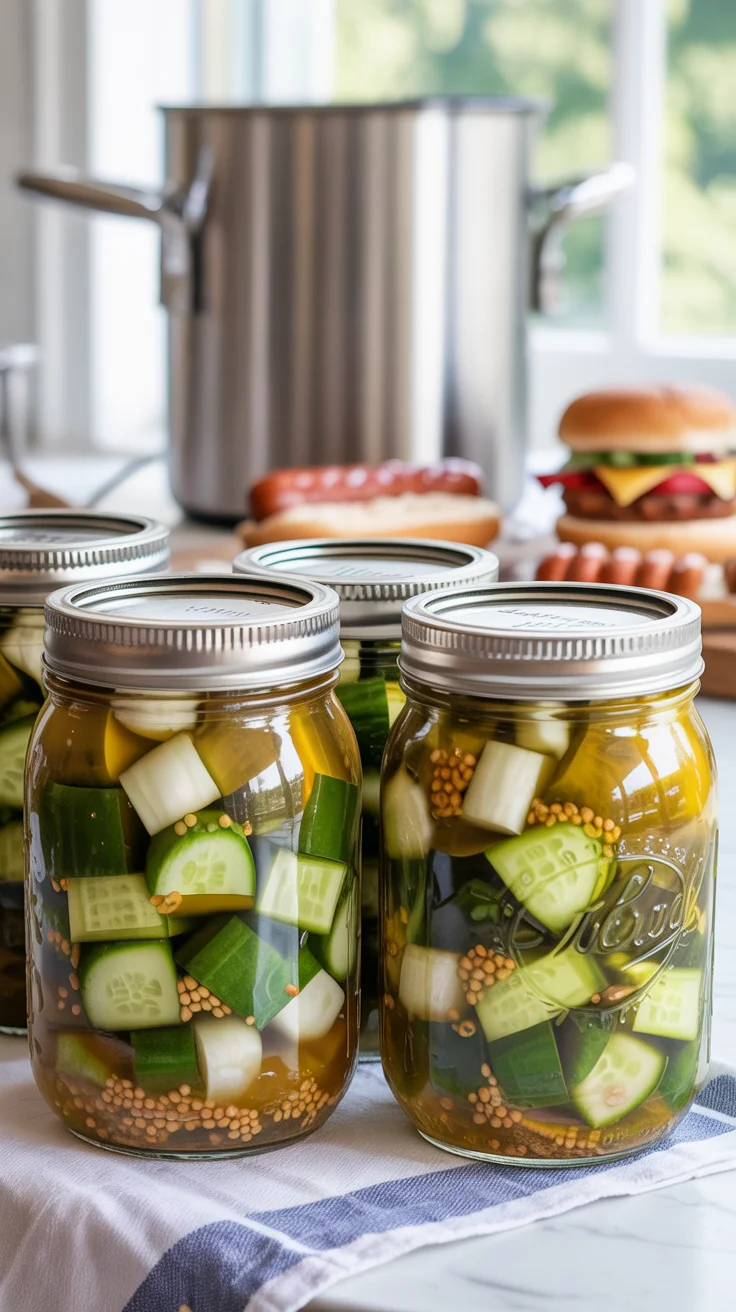
How to keep relish from getting watery:
- Fine dice: Small, even pieces release water more predictably, so the draining step is efficient.
- Salt and rest: For every 8 cups of diced cucumbers/veg, toss with 2–3 tablespoons pickling salt. Let sit in a colander over a bowl for 1–2 hours to draw out moisture. Stir once or twice.
- Rinse quickly, then drain: Rinse off excess salt to avoid an overly salty relish. Drain very well and press gently to remove water without smashing the vegetables.
- Ice bath option: A quick ice-water soak before salting can crisp cucumbers. Pat dry before salting so you’re not adding extra water back.
- Avoid pickling salt substitutes with additives: Anti-caking agents can cloud brine and affect texture.
- Don’t skip cooking: Brief simmering in brine helps set texture and bind flavors so the relish doesn’t weep liquid in the jar.
Other texture tips:
- Add onion and pepper in the same dice size as cucumbers to avoid soft pockets.
- If using slicing cucumbers, split lengthwise and scrape seeds with a spoon before dicing.
- Consider calcium chloride (often sold as “pickle crisp”) if you prefer extra firmness. Follow label directions; do not exceed recommended amounts.
Flavor balance after salting:
- Salting pulls not only water but some bitterness from cucumbers.
- Rinsing keeps your final relish from being too salty. You’ll rebuild seasoning and acidity with your brine so flavors are bright but balanced.
Bookmark for later:
- Crunchy refrigerator pickles for quick uses of leftover cucumbers that don’t fit in this batch.
Brine basics and canning safety for pickled relish
Your brine is the backbone of safe, shelf-stable relish. For classic hot dog/hamburger relish, a common, tested-style ratio includes distilled 5% vinegar, sugar, spices, and the salted-drained vegetables. While exact quantities vary across tested recipes, keep these principles:
- Vinegar strength: Always 5% acidity. Do not dilute beyond tested ratios.
- Sugar: Adjust for sweetness within safe guidelines, but never reduce vinegar below the recipe minimum. Sugar adds body and balances sharpness but is not the safety factor—acidity is.
- Spices: Mustard seed, celery seed, turmeric, and black pepper are typical. You can add hot pepper flakes or fresh minced chiles for heat.
- Salt: Use pickling or pure kosher salt. Table salt introduces iodine and anti-caking agents that cloud brine.
Canning safety and pH:
- The critical safety factor for water-bath canned relish is acidity. Finished pH should be below 4.6. Using the specified amount of 5% vinegar from a tested recipe reliably achieves this.
- Do not add thickeners. They impede heat flow in the jar.
- Avoid altering vegetable volumes significantly; swapping bell pepper colors is fine, but adding low-acid vegetables or large amounts of herbs can change pH and density.
Water-bath canning overview:
- Sterilize clean jars if processing less than 10 minutes; otherwise, hot, clean jars are sufficient since the boil time sterilizes.
- Maintain 1/2-inch headspace (check your specific recipe).
- Typical processing time for half-pints or pints of relish is around 10 minutes at sea level. Always verify with a tested recipe and adjust for altitude.
Water quality matters:
- If your water tastes “hard” or chlorinated, use filtered water in your brine. Off flavors in water can dull your relish.
- For homestead kitchens, reliable access to clean water improves both canning and gardening. Consider solutions like The AquaTower if you’re building a resilient setup.
If you’re just getting started with long-term food storage and want to build a resilient pantry, you’ll get practical preservation ideas from The Lost Superfoods—a helpful companion for anyone who loves canning, dehydrating, and shelf-stable staples.
Step-by-step: cooking, jarring, and processing Summer BBQ jars
Follow this general flow, then confirm specifics with a tested relish recipe:
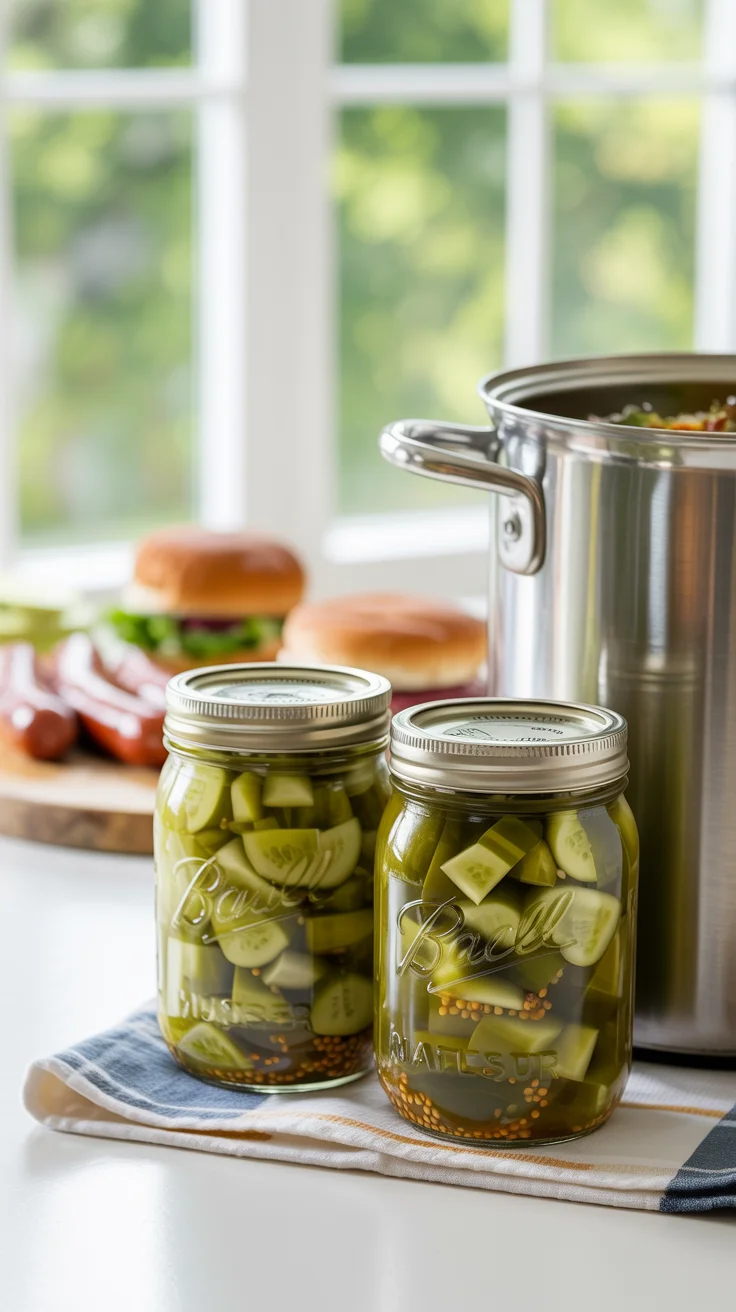
- Prep jars and canner
- Wash jars, lids, and rings. Keep jars hot by simmering in your canner or a separate pot.
- Fill your canner with enough water to cover filled jars by 1–2 inches. Start heating.
- Dice and drain vegetables
- Dice cucumbers, onions, and bell peppers evenly.
- Salt, rest 1–2 hours, rinse briefly, and drain thoroughly as outlined above.
- Build your brine
- In a large pot, combine distilled white vinegar (5% acidity), sugar, pickling salt, mustard seed, celery seed, turmeric, and optional hot pepper flakes.
- Bring to a simmer to dissolve sugar and bloom spices.
- Cook the relish
- Add drained vegetables to the hot brine. Simmer gently for 10–15 minutes, stirring. You’re looking for a tender-crisp texture, not a soft stew. Taste and adjust salt/sugar slightly if the tested recipe allows, but do not reduce vinegar.
- Pack and de-bubble
- Using a funnel, ladle hot relish into hot jars, leaving 1/2-inch headspace (verify per your recipe).
- Run a bubble-removing tool or a non-metallic spatula around the inside of each jar to release trapped air.
- Wipe rims with a vinegar-damp towel to remove residue. Apply new lids and adjust rings to fingertip tight.
- Process in boiling water
- Lower jars into the boiling water-bath canner. When water returns to a vigorous boil, start timing.
- Typical timing is around 10 minutes for half-pints or pints at sea level. Check your altitude and recipe for adjustments. Keep water at a rolling boil the entire time.
- Cool and check seals
- After processing, turn off heat and wait 5 minutes. Lift jars, set on a towel, and cool undisturbed 12–24 hours.
- Check seals (lids concave, no flex when pressed). Remove rings, wipe jars, label with date and batch.
- Rest for flavor
- Relish tastes best after 1–2 weeks as flavors meld. Store sealed jars in a cool, dark place.
Altitude and timing reminder:
- Always follow a tested recipe for precise times and adjustments. If you’re new to the process, see: Beginner’s guide to water-bath canning.
Flavor profiles for hot dog and hamburger relish
Whether you love classic sweet relish for hot dogs or a tangy dill-forward bite for hamburgers, you can tailor flavors without compromising safety.
Classic Sweet Hot Dog Relish:
- Base: Cucumber, onion, green bell pepper.
- Brine: 5% white vinegar, sugar on the higher side, pickling salt.
- Spices: Mustard seed, celery seed, turmeric for color, a pinch of black pepper.
- Notes: This version is bright, slightly sweet, and aromatic—perfect on hot dogs and brats.
Dill Hamburger Relish:
- Add dill seed or chopped fresh dill (add fresh in moderate amounts; do not overwhelm acidity).
- Lower sugar for a tangier bite.
- Optional garlic. Go easy—garlic is low-acid; keep amounts modest and within tested recipes.
Spicy “Ballpark” Relish:
- Add minced jalapeño or a teaspoon of red pepper flakes to the pot.
- Keep the base spices but up the mustard seed a bit for snap.
Smoky Pepper Relish:
- Roast a portion of your bell peppers under the broiler, peel, and dice. Stir into the simmered mixture just before packing. Use roasted peppers in moderation to maintain acidity balance.
Colorful Summer Relish:
- Mix red, orange, and yellow bell peppers to create a vibrant topping that looks great on burgers and grilled chicken.
Serving ideas:
- Classic: Hot dogs, burgers, sausages.
- BBQ board: Dollop on grilled chicken, pulled pork sandwiches, or smoky jackfruit sliders.
- Picnic salads: Stir a few spoonfuls into potato salad, deviled eggs, or tuna salad for zip.
- Condiment combos: Pair with ketchup, brown mustard, or homemade mayo. Try it alongside Homemade mustard from scratch.
Tip: Create a duo pack—half sweet hot dog relish, half dill-forward relish—and label jars so guests can choose their favorite at your next cookout.
Storage, shelf life, troubleshooting, and batch planning
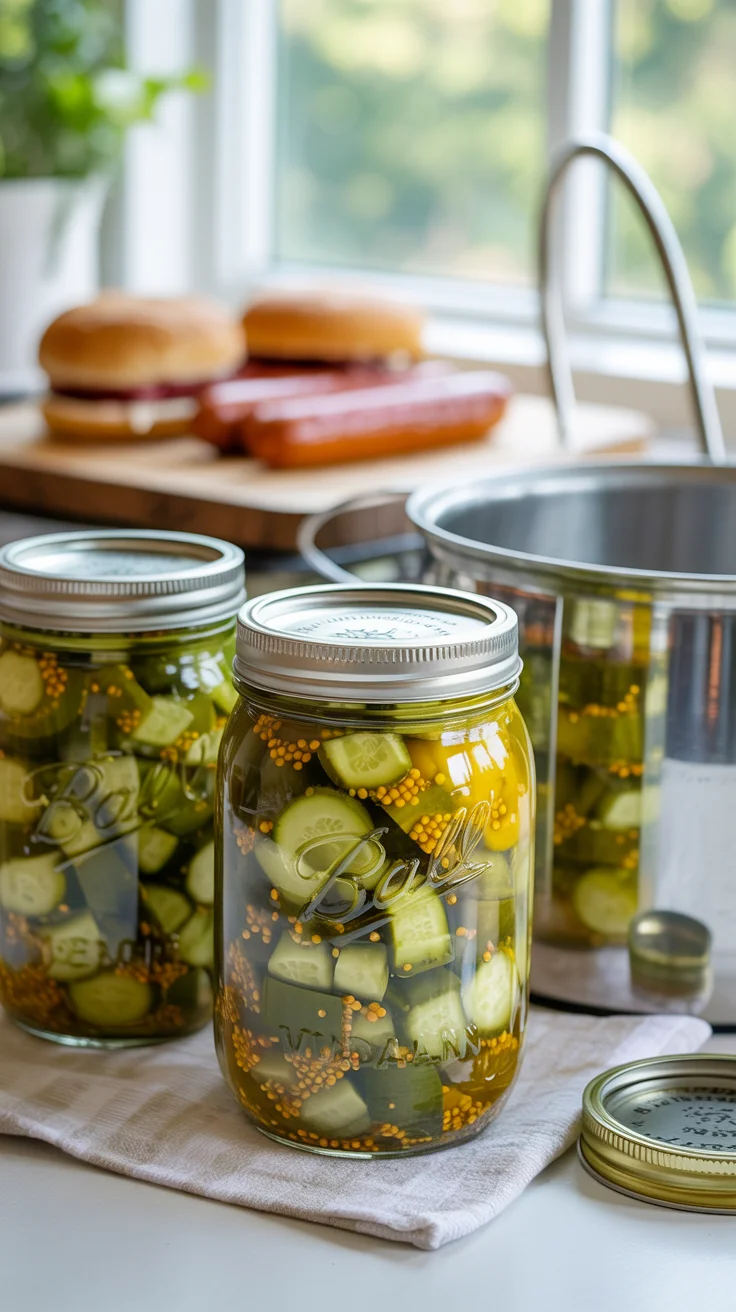
Shelf life:
- Properly sealed jars stored in a cool, dark place will typically keep quality for 12–18 months. Best flavor is within the first year.
- Once opened, refrigerated relish generally lasts 1–2 months. Always use a clean spoon to avoid contamination and watch for off odors or mold.
Troubleshooting:
- Watery relish: Improve your salting/draining step; simmer vegetables a touch longer to integrate liquid. Ensure precise headspace; too much headspace can affect vacuum and liquid retention.
- Cloudy brine: Often from table salt additives or overcooked vegetables. Use pickling salt and gentle simmering.
- Soft texture: Use pickling cucumbers, avoid overcooking, and consider a pinch of calcium chloride if desired.
- Seal failures: Check for chip-free rims, proper headspace, and boiling water that fully covers the jars. Replace any questionable lids.
Batch planning:
- Scaling up: You can double some tested recipes, but maintain proportions exactly—especially vinegar. Use a wide pot for even heating.
- Flavor strategy: Split batches after the initial simmer to create variations (sweet vs. spicy) by dividing spices at the end.
- Labeling: Date, type (sweet/dill/spicy), and heat level help you rotate stock and plan menus.
Preparedness meets flavor:
If you enjoy building a pantry that’s ready for anything—from a spur-of-the-moment BBQ to unexpected supply hiccups—consider guides like The Lost Superfoods for more shelf-stable ideas beyond relish. Over time, a well-planned pantry becomes a tool for saving money, reducing waste, and hosting with ease.
Make your pantry BBQ-ready year-round
With a few afternoons of canning, you can line your shelves with jars that turn any simple cookout into a backyard feast. A stash of pickled relish, pickled onions, quick ketchups, and mustards ensures dinners never feel rushed or bland—even when unexpected guests arrive.
- Grow-and-can loop: Plant a small bed of pickling cucumbers, bell peppers, and dill to fuel your summer canning calendar. Systems and layouts in The Self-Sufficient Backyard can help you produce more in less space while cutting grocery trips.
- Water confidence: Clear, great-tasting water is the foundation of good brine. If your tap water is unreliable, a solution like The AquaTower can support both the garden and kitchen prep.
- Power resilience: Summer storms happen. If you rely on freezers for other preserves or want to keep the kitchen running during outages, tools like the Ultimate OFF-GRID Generator offer peace of mind for the prepared home cook.
Recommended resources and companions:
- The Self-Sufficient Backyard for garden-to-pantry homestead projects.
- The AquaTower to support clean water needs in the kitchen and garden.
- The Lost Superfoods for pantry-building ideas that complement your canning routine.
More how-tos:
- How to sterilize and prep Mason jars
- Crunchy refrigerator pickles
- Beginner’s guide to water-bath canning
Wrap-up: homemade pickled relish for every cookout
Making your own Pickled Relish (Hot Dog / Hamburger Relish) – Summer BBQ Jars is one of the most rewarding kitchen projects of the season. With the right cucumbers, careful salting and draining, a clean 5% vinegar brine, and simple water-bath canning, you’ll have safe, shelf-stable jars that deliver tang, crunch, and color to every hot dog, hamburger, and summer plate you serve. Master the basics once, and you’ll riff on flavors all year—sweet, dill, spicy, and everything in between—while building a pantry that’s ready for any BBQ invite.
FAQ
- Can homemade relish be water-bath canned?
Yes. Relish is a high-acid preserve suitable for water-bath canning when made with 5% vinegar in tested proportions. Follow a trusted recipe for the correct vegetable-to-vinegar ratio, headspace, and processing time, and adjust for altitude. - How do you keep relish from getting watery?
Salt-draw and drain your diced vegetables before cooking. Toss with pickling salt, rest 1–2 hours, rinse briefly, and drain very well. A gentle simmer in the brine helps the vegetables absorb flavor and reduces weeping in the jar. Use pickling cucumbers instead of watery slicing types. - What cucumbers are best for relish?
Pickling cucumbers (Kirby) are ideal. They’re firm, less watery, and have small seeds that maintain crunch after salting and cooking. If you use slicing cucumbers, de-seed them and be meticulous with salting and draining. - How long does canned relish last once opened?
Once opened, store relish in the refrigerator and use within 1–2 months for best quality. Always use clean utensils, keep the rim wiped, and discard if you see mold or smell anything off.