
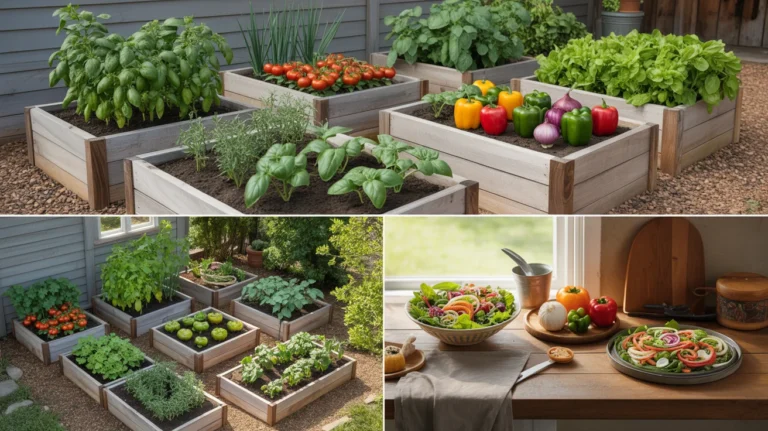
If you’ve ever grown a bumper crop of something you barely cook with, you already know the pain: wasted space, wasted time, and a fridge full of guilt. The “Pantry Garden” Backyard flips the script by planting for your plate, not just your plot. In this meal-based planting plan, you’ll map your weekly menu to beds and containers so you harvest exactly what your household eats—fresh, often, and with minimal waste.
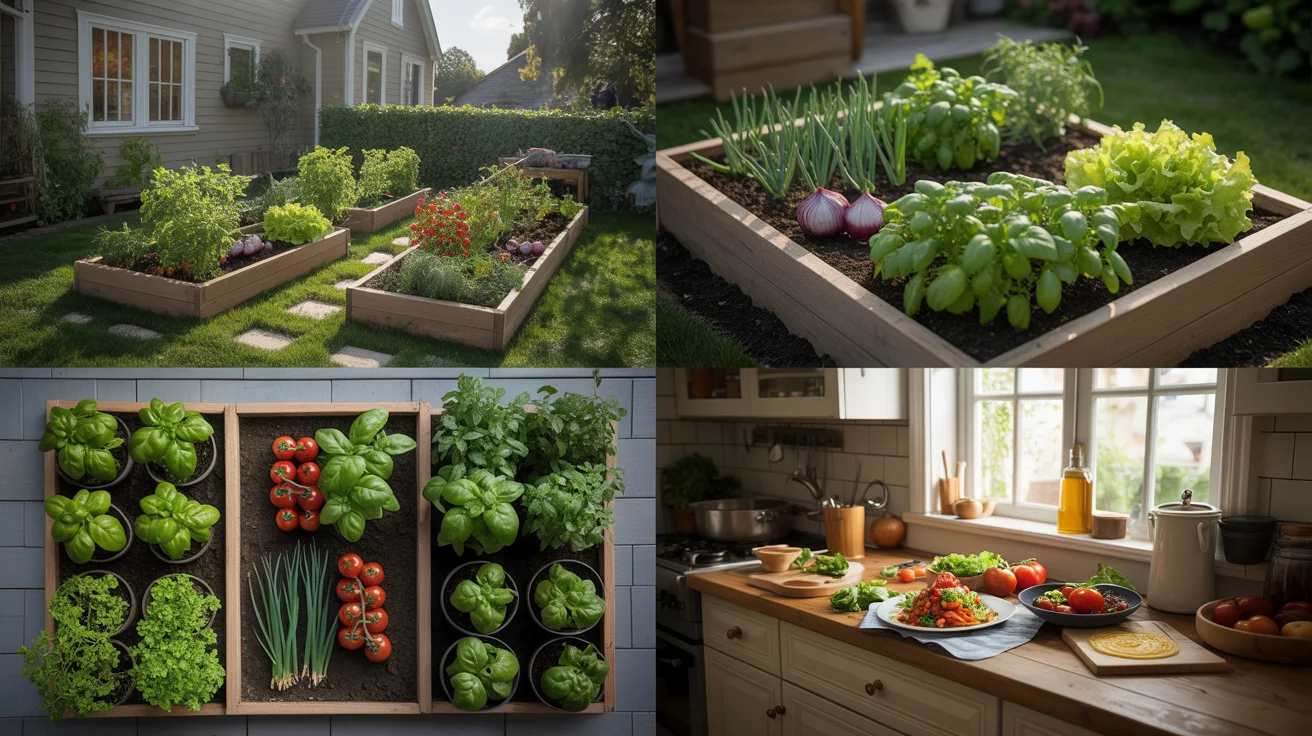
For a deeper, self-reliant homestead blueprint that complements this approach, check out The Self-Sufficient Backyard.
Why meal-based planting builds a better pantry garden
A pantry garden is a kitchen-first growing system. Instead of asking “What grows well here?” you start with “What do we eat every week?” and then back into plant choices, quantities, and timing. This shift does three powerful things:
- Cuts food waste by growing only what you’ll use.
- Simplifies decisions about varieties, spacing, and succession.
- Aligns harvest windows with your cooking rhythm.
Start by documenting 2–3 typical weeks of meals. Keep it simple: a note on the fridge or your phone. Then tally recurring dishes. You’ll find patterns like “tacos every Tuesday,” “Friday pizza,” “two salads a week,” “Sunday soup.” The goal isn’t perfection; it’s clarity. Those patterns become “meal modules”—compact sets of crops that support one reliable dish or side.
Common meal modules:
- Salad module: lettuce mix or romaine + cucumber + cherry tomatoes + herbs.
- Salsa/taco module: tomatoes + cilantro + jalapeño + onion + lettuce.
- Pasta module: tomatoes + basil + garlic + oregano.
- Stir-fry module: scallions + peppers + snap peas/bok choy + cilantro.
- Breakfast module: spinach + chard + scallions + parsley for omelets and scrambles.
- Soup/stew module: carrots + celery + onions + kale.
Meal modules make bed design intuitive: cluster crops that get cooked together and mature in the same season. They also guide succession planting—if you eat salad twice a week for eight months, you’ll sow salad greens in small intervals.
Pro tip: consider your cuisine lens (Mediterranean, Tex-Mex, Asian-inspired, comfort food). The cuisine you cook most will determine your top five crops. If you’re leaning Mediterranean, an olive oil–forward, veggie-rich template helps you build a predictable rotation—use a prepared plan as inspiration with the mediterranean plan.
If you need help with bed construction and soil, see this primer: Beginner’s raised bed guide.
Turning a weekly menu into a crop list that fits your family
Let’s translate meals into plants and quantities. Start with these steps:
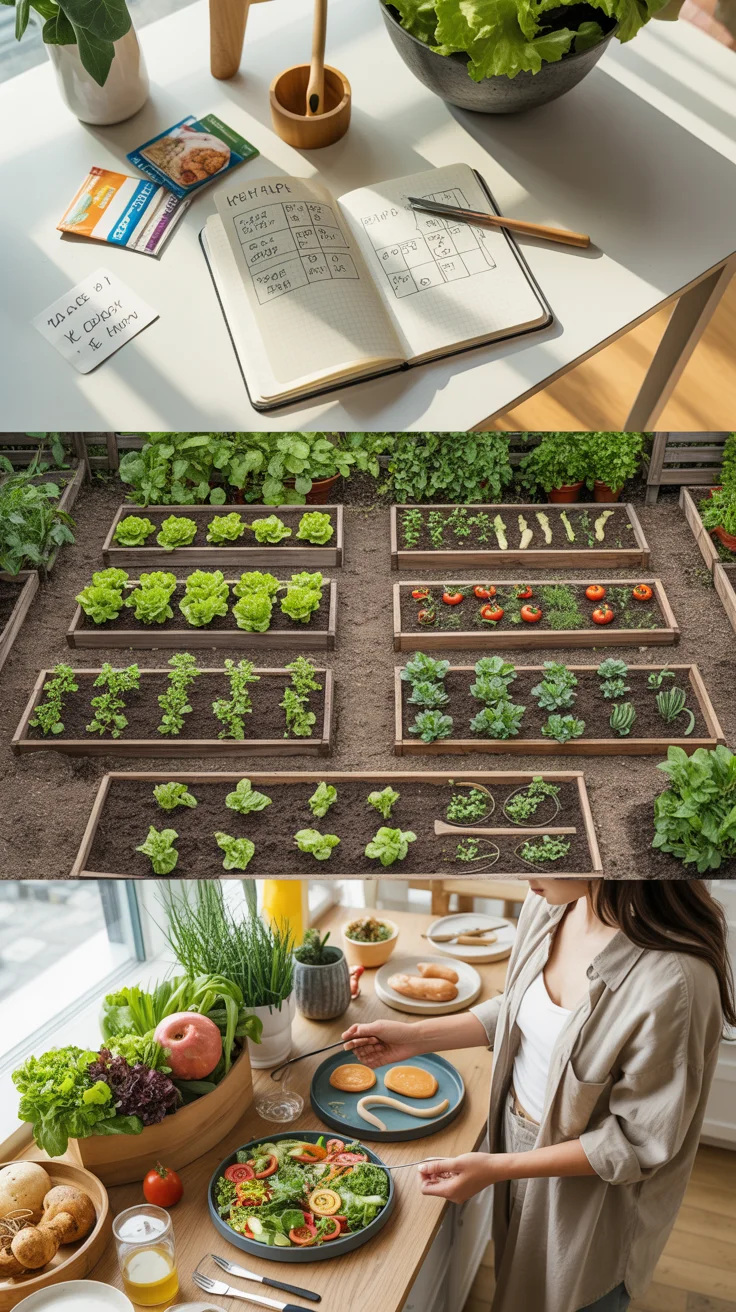
- List your weekly staples. For each dish, circle the fresh items you want from the garden.
- Convert servings to plants using a light rule-of-thumb.
- Map those plants by season and space.
Useful yield rules (approximations for planning):
- Leafy greens: 1–2 plants per person per week (cut-and-come-again lettuce, spinach, arugula, kale).
- Tomatoes: 1–2 cherry plants or 2–3 paste/slicer plants per salad/sauce-heavy family of 4.
- Cucumbers: 1 plant per 2 people for side salads; 2–3 plants if pickling or juicing.
- Peppers: 2–4 plants per household for weekly tacos/stir-fries.
- Herbs: 1–2 plants per type; basil and cilantro benefit from repeat sowings.
- Green onions/scallions: a 1–2 foot row feeds a family for weeks; succession every 3–4 weeks.
- Root crops: 1–2 feet of carrots or beets per person per month of use.
Example for a family of 4 with this weekly rotation:
- Two salads, one taco night, one pasta night, one stir-fry.
- Salad module: 12–16 heads cut-and-come-again lettuce over time, 2 cucumbers, 2 cherry tomatoes, a mix of herbs (basil, parsley, dill).
- Taco/salsa module: 3 paste or slicing tomato plants, 2 jalapeños, 2 sweet peppers, 1–2 beds of cilantro succession-sown every 3 weeks, 10–15 onions (or a continuous row of scallions).
- Pasta module: 3 paste tomatoes (can overlap with salsa), extra basil, 10 cloves of garlic (planted in fall), oregano perennial corner.
- Stir-fry module: a row each of scallions and snap peas (spring), 4 bok choy, 2 bell peppers (summer), a cilantro patch.
From that, your core list might be:
- Lettuce mix, spinach, cherry and paste tomatoes, cucumbers, sweet peppers, jalapeños, cilantro, basil, parsley, scallions, onions, snap peas, bok choy, garlic, oregano.
Remember your climate. Check frost dates and growing zones to slot cool-season crops (lettuce, peas, cilantro, spinach) in spring and fall, and warm-season crops (tomatoes, peppers, cucumbers, basil) in summer. A zone-specific calendar helps: Vegetable planting calendar by zone.
If your meals skew Mediterranean, borrow a weekly structure with vegetable-forward recipes and pantry staples from the mediterranean plan to guide quantities and successions.
Designing your pantry garden bed by meals
Design from the plate backward. Group crops used together, then arrange by height and root depth for easy care and harvest.
Layout principles:
- Cluster by dish. Keep salad greens, cucumbers, and cherry tomatoes near each other; basil near tomatoes; cilantro near taco ingredients.
- Stagger heights. Trellis tomatoes and cucumbers on the north side of beds; medium crops (peppers, chard) in the middle; low crops (lettuce, onions) on the south edge.
- Mix fast and slow. Interplant quick greens between slow giants. Lettuce and radishes finish before tomatoes sprawl.
- Keep harvest paths clear. Leave a 12–18″ walkway or board for clean access.
- Plan for re-sows. Dedicate a “succession strip” for repeating greens, cilantro, and scallions every 2–3 weeks.
- Rotate modules. Move nightshades (tomatoes, peppers) to a new bed each year; follow them with legumes (beans/peas) or greens to balance nutrients.
Sample 4’×8′ bed for a family of 3–4:
- North 8′ trellis: 2 indeterminate tomatoes spaced 24″, 2 cucumbers interplanted.
- Middle row: 4–6 peppers (mix of sweet and jalapeño) with basil tucked between.
- South edge: a 10–12″ wide strip sown with a lettuce mix, harvested cut-and-come-again.
- Corners: parsley and dill as perennial-ish anchors; a small cilantro patch replaced monthly.
- Sidecar container: a 10–15 gallon pot for a determinate patio tomato to spread peak harvest.
Square-foot gardening works beautifully here—think in 1′ blocks and assign blocks to meal modules. For example, a taco module might be eight blocks (1 tomato, 2 peppers, 1 cilantro, 2 onion blocks, 2 lettuce blocks) linked by a trellis on the bed’s back edge.
Companion planting is a bonus, not a rule. Put what you’ll harvest together within reach. Basil around tomatoes is practical; marigolds at bed edges offer pollinator support and a helpful visual border. Mulch generously to stabilize moisture and reduce weeding, and add a simple drip system to keep watering quick and consistent: DIY drip irrigation.
For construction tips and soil mixes that support this plan, see Beginner’s raised bed guide.
Easiest pantry garden crops for beginners
If you’re new to a pantry garden, pick forgiving, high-return plants that align with frequent meals. These standouts are productive, flexible in the kitchen, and relatively low maintenance.
- Lettuce mixes and romaine: Fast to harvest (3–5 weeks for baby cuts), regrow after cutting, and thrive in spring and fall. Grow in partial shade in summer or switch to heat-tolerant varieties.
- Kale and Swiss chard: Workhorses for soups, sautés, and omelets. Harvest outer leaves continuously. Cold-tolerant and long-season.
- Cherry tomatoes: Dependable snack and salad staple with steady yields. Fewer splitting issues, tolerates variable weather, and keeps producing all summer.
- Paste tomatoes: The backbone for sauces and salsa; fewer seeds and thicker flesh. Plant a few for batch cooking and freezing.
- Cucumbers: Climbing varieties save space and stay cleaner on a trellis. Great for salads, fridge pickles, and water infusions.
- Sweet peppers: Bell or Italian frying types. Harvest green or let color up for sweetness. Good in stir-fries, fajitas, pasta.
- Jalapeños or serranos: Compact plants that set reliably; ideal heat for taco nights and salsas.
- Scallions (green onions): Quick to maturity and easy to succession sow. Replace full-size onions if space is tight.
- Herbs: Basil, cilantro, parsley, oregano, dill, chives, mint (contain mint in a pot). Herbs elevate meals and are among the highest value-per-square-foot plants.
- Bush beans: Tender and productive in small spaces, great for sides and salads. Succession plant every 2–3 weeks for a steady supply.
- Radishes: The sprint crop for quick wins. Interplant among slower crops and enjoy in salads or tacos.
- Garlic: Plant in fall, harvest early summer. An easy crop that anchors sauces and soups all year.
Sort crops by “daily pickers” (greens, herbs, cherry tomatoes) and “batchers” (paste tomatoes, peppers, cucumbers). Your weekly routine should include a quick harvest for daily pickers and a weekend session for batchers to prep and preserve.
If you grow one “extra,” let it be herbs. Fresh herbs reduce the need for store-bought flavor boosters, drive variety with minimal space, and dehydrate easily for your pantry. They’re the secret to a small garden tasting big.
Succession planting and year-round harvests
A pantry garden thrives on continuity. Instead of one big spring planting, you sow small, frequent successions so your harvest mirrors your meal rhythm.
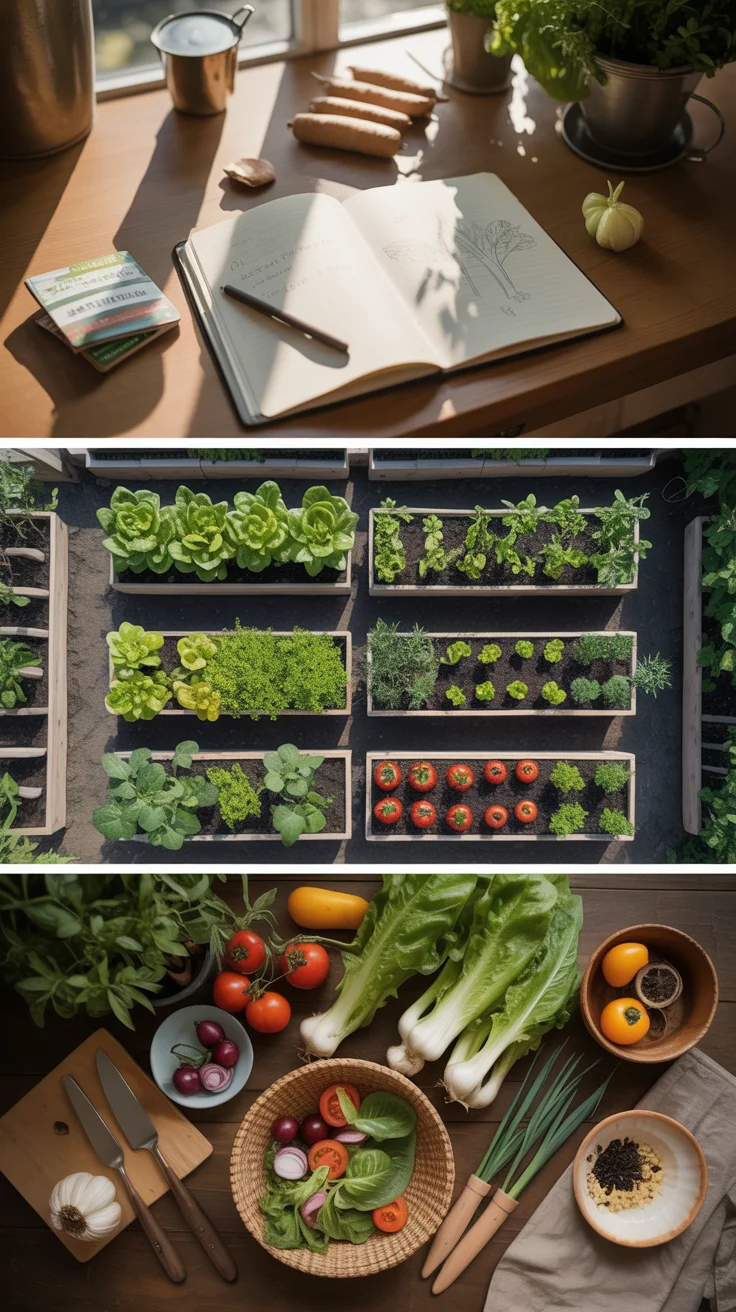
Build your cadence:
- Every 2–3 weeks in spring and fall: sow lettuce, arugula, spinach, cilantro, dill, and radishes.
- Every 3–4 weeks in summer: sow heat-tolerant greens like chard, Malabar spinach, New Zealand spinach, and scallions.
- Mid-summer: start cool-season fall crops like kale, carrots, and more lettuce 8–10 weeks before first frost.
Anchor dates with your frost window. Most zones can swing two shoulder seasons of greens and a summer of fruiting crops with a bit of protection. Season extension tools:
- Row cover: Light fabric shields spring greens from frosts and summer pests.
- Low hoops + plastic: Create a simple cold frame to extend greens weeks into late fall.
- Shade cloth: Keep summer lettuces viable by filtering intense sun.
- Cold frames/mini tunnels: Great for winter salads in milder climates and to harden off transplants.
For salad lovers and small-space growers, a vertical system can keep weekly greens and herbs on autopilot. A compact tower addresses space, water, and harvest convenience—useful on patios, balconies, or as a kitchen-adjacent salad bar. If you want a plug-and-grow option that maximizes vertical yield for constant salads and herbs, look into The AquaTower.
Create a quick succession map per module. For example, a salad module could rotate: Week 1 sow lettuce, Week 3 sow lettuce + radish, Week 5 replace oldest patch, Week 7 sow heat-tolerant mix. Mark these on your calendar at the same cadence as your trash day—habit beats heroics.
Biweekly maintenance:
- Top-dress beds with compost between successions to maintain fertility.
- Mulch bare spots to cool soil and reduce evaporation.
- Replant immediately after harvesting a block to keep the assembly line moving.
Leverage short-maturity crops (30–45 days) to fill gaps around long-season crops (tomatoes/peppers). That interplanting keeps beds productive and your plate varied. For timing help, match successions to your climate: Vegetable planting calendar by zone.
Small-space pantry garden setups
No backyard? You can still run a meal-based garden on a balcony, patio, or windowsill with containers and vertical supports.
Container principles for pantry yield:
- Size matters: 10–15 gallon pots for tomatoes and peppers; 5–7 gallons for cucumbers (with a trellis); 3–5 gallons for chard, kale, and bush beans; shallow trays for cut-and-come-again greens.
- Quality soil: Use a light, peat- or coco-based potting mix amended with compost. Containers need more frequent feeding—add slow-release organic fertilizer or compost tea monthly.
- Watering: Aim for even moisture. Self-watering containers or wicking beds reduce daily attention. Simple drip-on-a-timer saves time: DIY drip irrigation.
- Vertical supports: Use balcony railings, obelisks, or slim trellises to grow cucumbers and compact indeterminate tomatoes upward.
- Sun discipline: Track your sun. Most fruiting plants need 6–8 hours; greens and herbs can thrive with 3–5 hours or bright partial shade.
Micro-modules for small spaces:
- Salad rail: A 24–36″ long planter with cut-and-come-again lettuce, arugula, and a pot of chives. Sow a new section every two weeks.
- Salsa trio: One 10–15 gallon pot with a determinate tomato, a 5–7 gallon pot for a jalapeño, and a window box for cilantro succession.
- Pasta pot: One paste tomato or dwarf Roma in 10–15 gallons with basil tucked around the edges.
- Breakfast greens: A 10″ deep window box of spinach or baby kale with a pot of parsley.
Choose compact and dwarf varieties when possible—look for patio tomatoes, bush cucumbers, mini peppers, and micro-dwarf cherry tomatoes for windowsills. Use lightweight fabric grow bags to save storage space and improve root aeration; they’re easy to shuffle with plant caddies to chase the sun.
If you want to stretch production vertically in a footprint the size of a doormat, a tower system like The AquaTower can stack dozens of greens and herbs within arm’s reach—ideal for a salad-heavy household.
For container-specific advice on soil, watering, and variety selection, see Container gardening tips.
Harvest rhythms, kitchen prep, and pantry-friendly preserving
A pantry garden shines when you sync picking with cooking. Build a simple weekly flow that keeps produce moving from bed to plate to shelf.
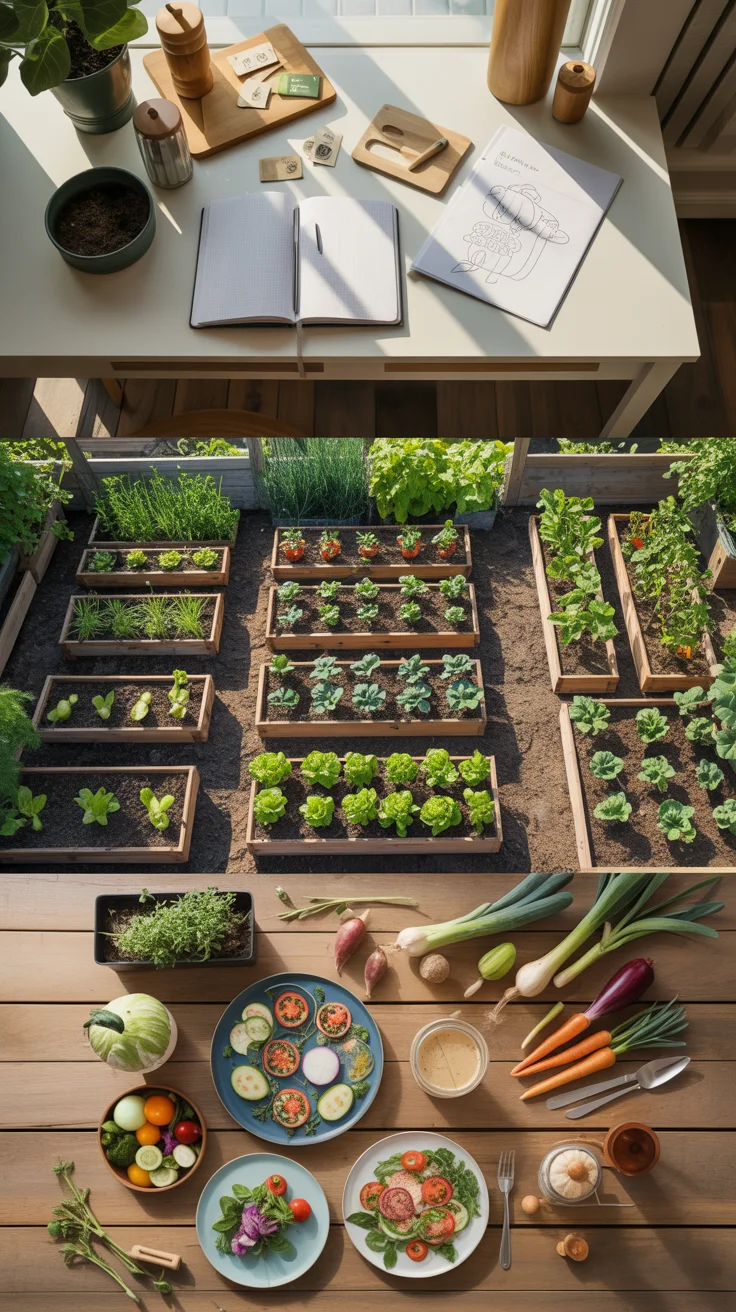
Daily five-minute harvest:
- Snip herbs as needed; keep kitchen shears and a small basket by the door.
- Grab a handful of salad greens for lunch; harvest outer leaves to let plants regrow.
- Pick cherry tomatoes and cucumbers at the “ready now” stage to keep plants producing.
Weekly batch harvest (choose a set day):
- Collect paste tomatoes, peppers, and bulk greens for cooking and preserving.
- Trim and wash greens immediately; spin-dry and store in containers with a paper towel to extend life.
- Group prep tasks: chop onions and peppers for the week, mince herbs, and portion for quick meals.
Quick preserving playbook:
- Freezer sauces: Roast or simmer paste tomatoes with basil and garlic, freeze in quart bags flat.
- Fridge pickles: Slice cucumbers into jars with vinegar, salt, sugar, and dill; ready in 24 hours.
- Salsa base: Blend tomatoes, jalapeño, cilantro, onion, and lime; freeze in portions for winter chili.
- Dehydrate herbs: Dry basil, oregano, and parsley for your spice rack; store in airtight jars.
- Lacto-ferments: Fermented jalapeños or “garden kraut” add probiotic punch and store for months.
Longer shelf-stable ideas (for when you’re ready to level up): water-bath canning for tomato sauce and pickles, pressure canning for soups and beans, and dehydrating zucchini chips or pepper strips. If you want inspiration for resilient, shelf-stable recipes built from simple ingredients, explore The Lost Superfoods.
Storage habits that reduce waste:
- Designate a “cook-first” bin for softening produce.
- Keep onions, garlic, and potatoes in a cool, dark, well-ventilated spot—never together in sealed containers.
- Label freezer bags with contents and date; use FIFO (first in, first out).
Tie your harvests to an easy menu template:
- Monday: salad + protein
- Tuesday: tacos/fajitas
- Wednesday: pasta night
- Thursday: stir-fry
- Weekend: soup/stew or grill with garden sides
This loop turns a steady trickle of produce into meals that feel planned, not pressured.
Soil health, watering, and low-effort care that fits your week
The pantry garden thrives when the fundamentals are on autopilot. Focus on living soil, consistent moisture, and small, regular tasks.
Soil made simple:
- Start with a raised bed mix of 40% high-quality compost, 40% topsoil, 20% aeration (coarse perlite or pine bark fines). In containers, use a peat/coco-based potting mix plus compost.
- Top-dress with 1–2″ compost each season to feed soil life. Avoid heavy tilling; use a broadfork or hand fork to loosen compacted spots without flipping layers.
- Mulch with shredded leaves, straw, or wood chips on paths to suppress weeds and keep soil cool.
- If possible, run a basic soil test every 1–2 years and adjust pH and nutrients as needed.
Watering that works:
- Deep, infrequent soaks are better than frequent sprinkles. Aim for 1″ per week, more in heatwaves.
- Drip irrigation on a timer is the single best upgrade for consistency, plant health, and your schedule: DIY drip irrigation.
- Morning watering reduces disease pressure and evaporation.
Weekly rhythm:
- Monday: five-minute pest and wilt check; squish aphids, remove yellowing leaves.
- Wednesday: quick harvest of daily pickers, check moisture under mulch.
- Friday: tie in vines, prune indeterminate tomatoes lightly (remove suckers below first flower truss).
- Weekend: harvest batchers, compost top-dress, re-sow successions.
Keep a small toolkit in a weatherproof tote by the garden—snips, gloves, twine, a hand fork, plant ties, and a harvest basket—so micro-tasks don’t derail you. Set phone reminders for succession dates and fertilizer intervals.
As you scale, you’ll find efficiencies: trellis once, mulch once, water automatically, then just harvest and enjoy. If your long-term goal is a broader self-reliance plan (water, energy, food), you can layer the garden into a bigger system with guidance from The Self-Sufficient Backyard.
Putting it all together with a seasonal pantry plan
Let’s unify the pieces into a year you can actually follow. Use your cuisine anchor and meal modules to stage crops across seasons.
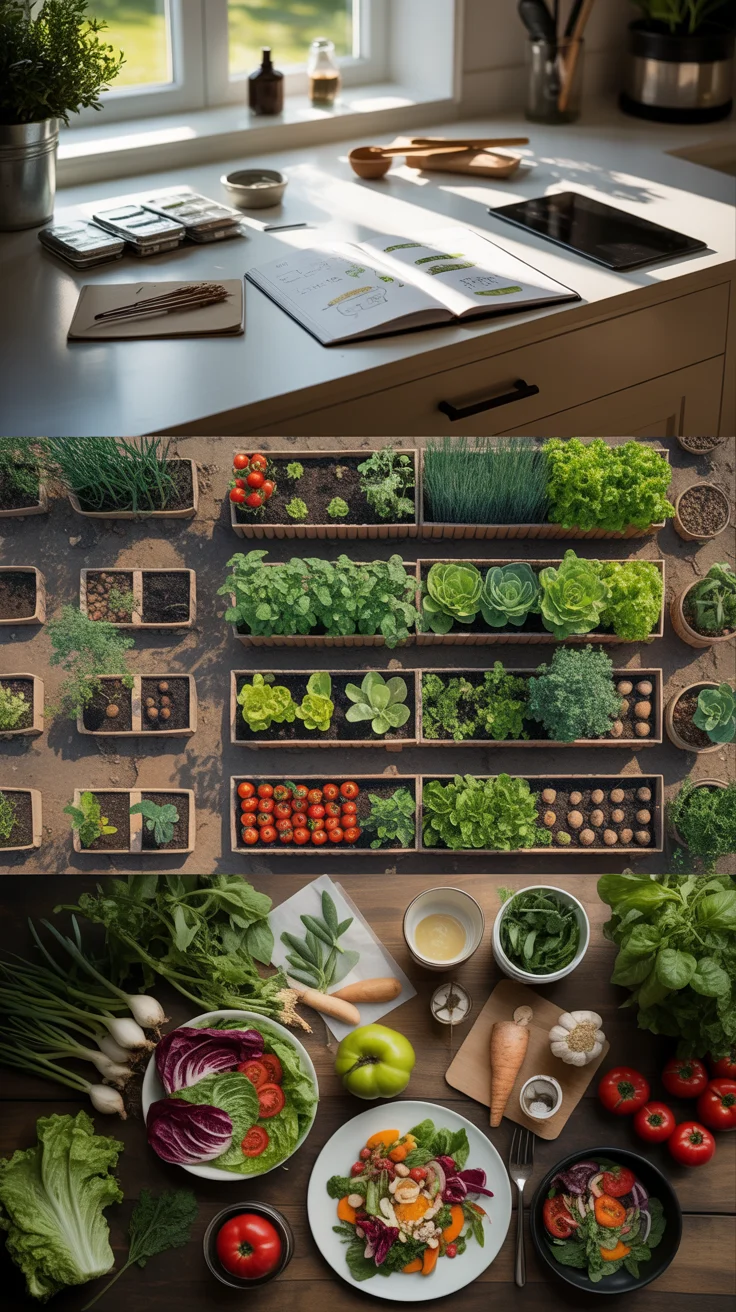
Spring (cool-season kickoff):
- Sow salad greens, spinach, peas, radishes, cilantro, dill, scallions.
- Transplant early kale, chard, and onions.
- Build trellises and hoops before growth explodes.
- Start tomatoes and peppers indoors or buy sturdy starts.
Summer (fruiting and abundance):
- Transplant tomatoes, peppers, basil, and cucumbers after last frost.
- Mulch deeply and deploy drip irrigation.
- Succession sow heat-tolerant greens and herbs; use shade cloth if needed.
- Batch harvest paste tomatoes and cucumbers weekly for sauces and pickles.
Fall (second cool season):
- 10–12 weeks before first frost, sow/plant lettuce, spinach, cilantro, kale, and scallions again.
- Pull spent summer crops and plant a quick cover crop (buckwheat in warm spells, oats/peas in cooler).
- Tuck in garlic in late fall for next summer’s harvest.
Winter (rest and pantry season):
- Eat from the freezer and jars you built in summer/fall.
- Keep a small cold frame or indoor microgreens for fresh crunch.
- Review your meal notes and adjust plant numbers for the coming season.
A small vertical greens setup can bridge the winter gap with fresh herbs and salad leaves—if space is tight or you want year-round harvests, a compact tower like The AquaTower keeps your salad module in play despite the weather.
When you plan first from meals, the garden becomes an extension of your kitchen calendar. Each succession has a place, each harvest a use, and each season a rhythm you can sustain.
Conclusion
The “Pantry Garden” Backyard is about growing for your plate: meal-first planning, right-sized plantings, and steady, useful harvests. Start with two weeks of real meals, cluster crops into modules, and design beds so the ingredients you cook with most are the easiest to pick. Build cadence with simple successions, compact layouts, and a weekend batch routine that turns abundance into sauces, pickles, and frozen staples you’ll actually eat.
If you want a broader, step-by-step framework to fold this garden into a resilient home system, explore The Self-Sufficient Backyard. And for shelf-stable, pantry-ready recipes to use your harvests year-round, see The Lost Superfoods.
Your pantry garden doesn’t have to be big to make a big difference. Grow what you actually eat, and let your meals lead the way.
FAQ
What should I plant if I want to grow what I actually eat?
Start with your top five weekly dishes. Build “meal modules” around them. Example: tacos (tomatoes, peppers, cilantro, onions, lettuce), salads (lettuce, cherry tomatoes, cucumbers, herbs), pasta (paste tomatoes, basil, garlic, oregano), stir-fries (scallions, peppers, snap peas/bok choy). This meal-based approach turns your backyard into a true pantry garden that feeds your routine.
How do you plan a garden based on weekly meals?
Track 2–3 weeks of meals, tally repeat dishes, and list fresh ingredients you want to supply. Convert servings to plant counts (e.g., 1–2 lettuce plants per person per week; 2–3 paste tomatoes per sauce-loving family of 4). Design beds by meal modules, use a trellis north side for tomatoes/cucumbers, and reserve a strip for successional greens and herbs. Repeat small sowings every 2–3 weeks.
What are the easiest “pantry garden” crops for beginners?
Choose forgiving, high-value plants you’ll use often: lettuce mixes, kale, chard, cherry and paste tomatoes, cucumbers, sweet peppers, jalapeños, scallions, basil, cilantro, parsley, and bush beans. These align with salads, tacos, pasta, and stir-fries—high-frequency meals in many households.
How much garden space do you need for a family?
For a family of 4 that cooks at home several nights a week, two 4’×8′ beds (or equivalent containers/vertical setups) can deliver consistent salads, salsa ingredients, and sides through the season. If space is tight, a single 4’×8′ bed plus a few large containers can still cover salads, some sauces, and weekly herbs. In apartments, a mix of 10–15 gallon pots and a small vertical system can handle a salad and salsa module.