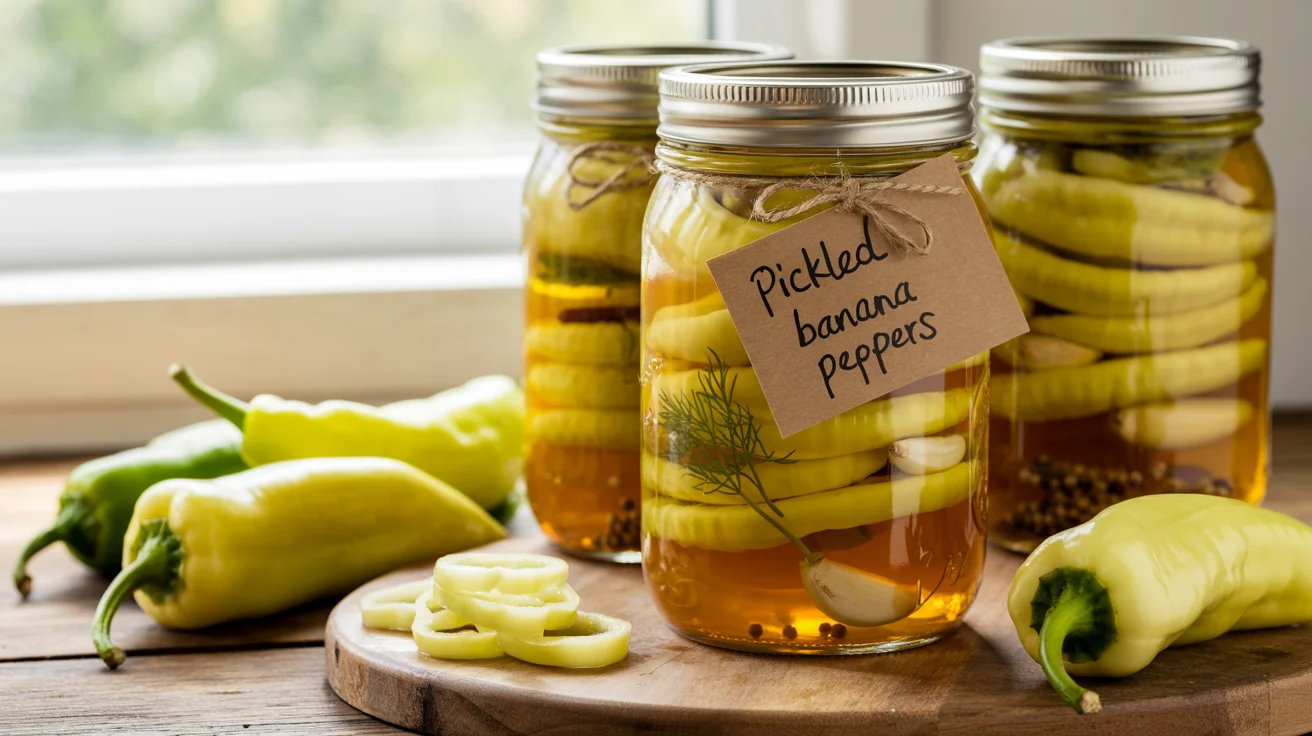
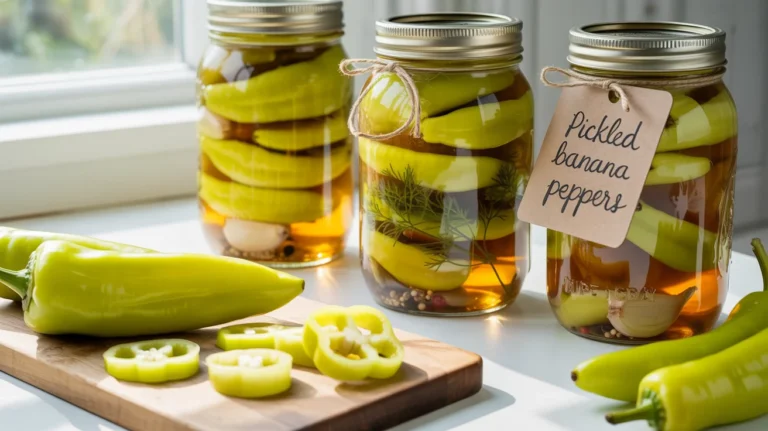
Learning how to pickle banana peppers is one of the simplest and most rewarding ways to preserve your garden harvest. Whether you’re pulling in a basketful of fresh peppers or grabbing a few pounds from the market, pickling transforms banana peppers into a tangy, crunchy staple you can enjoy for months.
Pickling banana peppers isn’t just about flavor—it’s about self-reliance. When you know how to pickle banana peppers properly, you reduce food waste, stretch your harvest, and build a pantry that doesn’t rely on weekly grocery runs. This skill fits perfectly into gardening, homesteading, and long-term food storage goals.
If your goal goes beyond a single recipe and into real food independence, resources like The Self-Sufficient Backyard help connect gardening, preserving, and sustainable living into one complete system.

In this guide, you’ll learn how to pickle banana peppers step by step, explore variations like sweet or spicy pickles, understand storage times, and discover exactly what to do with banana peppers after you pick them—all using safe, beginner-friendly methods aligned with guidance from sources like the United States Department of Agriculture.
What Are Banana Peppers?
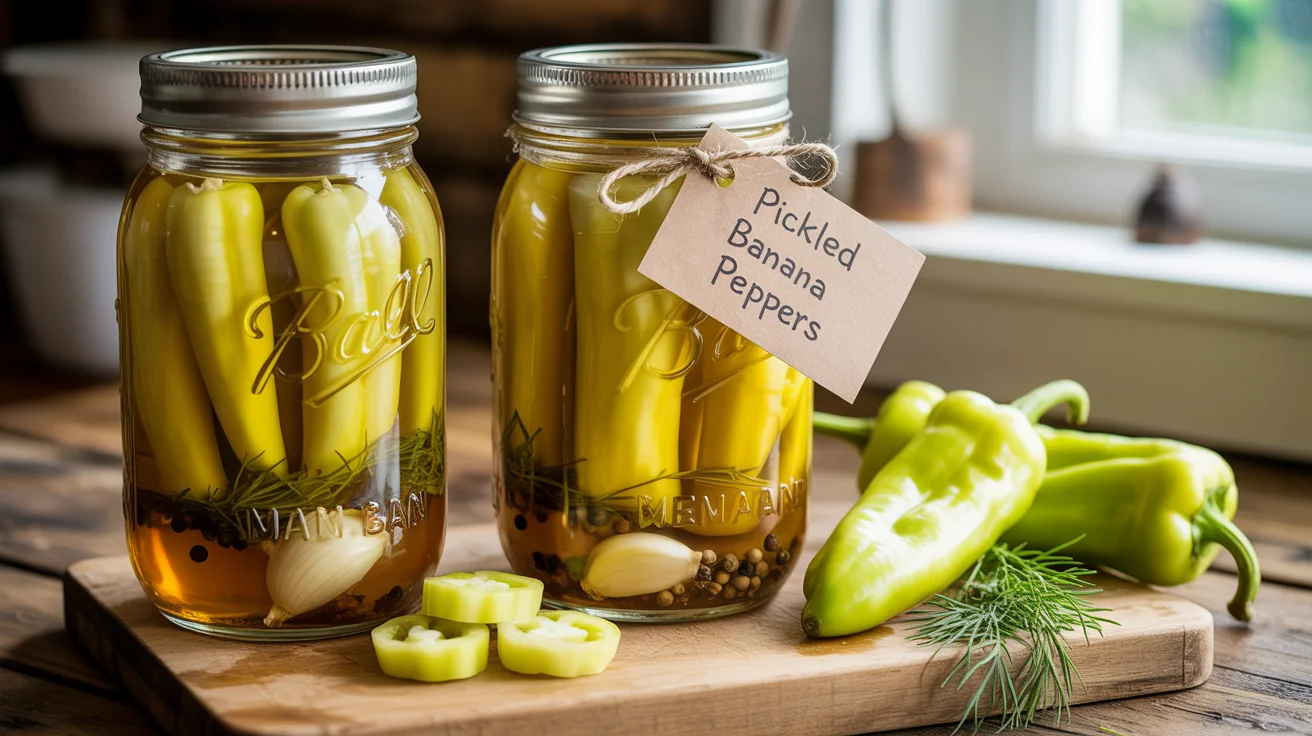
Before mastering how to pickle banana peppers, it helps to understand exactly what kind of pepper you’re working with. Banana peppers are mild, tangy peppers known for their elongated shape and pale yellow color—similar to a banana, which is where the name comes from.
They’re one of the most beginner-friendly peppers to grow and preserve, making them ideal for first-time gardeners and anyone learning home food preservation.
Sweet vs. Hot Banana Peppers
There are two main types of banana peppers, and knowing which one you have matters when deciding how to pickle banana peppers:
-
Sweet banana peppers
-
Mild, slightly tangy flavor
-
Very little heat
-
Most common variety used for pickling
-
-
Hot banana peppers
-
Similar shape and color
-
Noticeably spicier (but still mild compared to chili peppers)
-
Excellent for spicy pickled banana peppers
-
👉 Good news: The same pickling method works for both. The difference is purely in heat level.
Flavor Profile: Why Banana Peppers Are Perfect for Pickling
Banana peppers shine in pickling because they naturally balance:
-
Mild sweetness
-
Gentle acidity
-
Thin but firm walls that stay crunchy
When you learn how to pickle banana peppers correctly, the vinegar brine enhances their tang while preserving that satisfying crunch—something thicker peppers often lose.
This makes pickled banana peppers perfect for:
-
Sandwiches and subs
-
Salads and wraps
-
Pizza toppings
-
Pantry meals during winter or emergencies
When Are Banana Peppers Ready to Harvest?
If you’re growing your own, timing matters for successful pickling.
Best stage for pickling banana peppers:
-
Length: 4–6 inches
-
Color: Pale yellow to light green
-
Texture: Firm and glossy
Overripe peppers (deep yellow or turning orange) can still be pickled, but they may be slightly softer. For the crispiest results, always pickle fresh, firm peppers within 24–48 hours of harvest.
This “harvest-to-jar” mindset is a core principle of food independence taught in guides like The Self-Sufficient Backyard, where preserving surplus produce becomes second nature.
How Many Banana Peppers Do You Need?
A common beginner question when learning how to pickle banana peppers is quantity.
As a general rule:
-
1 pound of banana peppers = 1 quart jar (sliced)
-
Whole peppers take slightly more space and fewer peppers per jar
Don’t worry about exact measurements—pickling is forgiving as long as your brine ratio is correct (which we’ll cover step by step in the next section).
Why Banana Peppers Are Ideal for Beginners
If this is your first time pickling, banana peppers are one of the safest choices because:
-
They’re low-risk and forgiving
-
They absorb flavor quickly
-
They don’t overpower spices
-
They store well short- and long-term
Learning how to pickle banana peppers builds confidence that easily transfers to cucumbers, jalapeños, onions, and other vegetables later on.
Why Pickle Banana Peppers Instead of Freezing or Drying?
If you’re deciding how to pickle banana peppers, you might also be wondering whether pickling is really the best preservation method. Freezing, drying, and fermenting all work—but pickling banana peppers offers a unique mix of flavor, shelf life, and simplicity that’s hard to beat.
Let’s break down why pickling banana peppers is often the smartest choice, especially for home gardeners and self-sufficient households.
Pickling vs. Freezing Banana Peppers
Freezing is quick, but it comes with trade-offs.
Freezing banana peppers:
-
Easy and fast
-
Requires freezer space and electricity
-
Peppers become soft when thawed
-
Best for cooking, not fresh eating
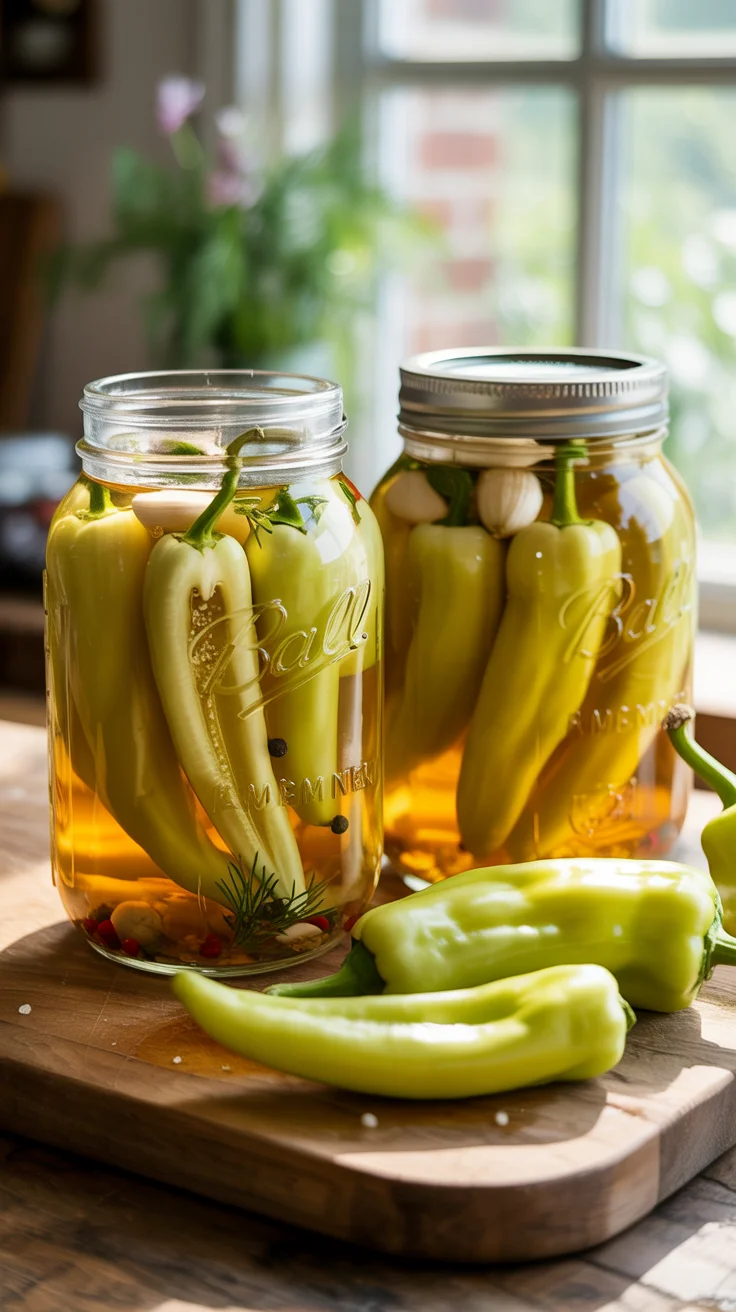
Pickling banana peppers:
-
Shelf-stable (when properly processed)
-
No freezer needed
-
Maintains crunch and flavor
-
Ready to eat anytime
When you learn how to pickle banana peppers, you’re creating a food that’s instantly usable—no thawing, no cooking required.
Pickling vs. Drying Banana Peppers
Drying peppers works well for hot varieties, but banana peppers don’t always shine when dehydrated.
Drying drawbacks:
-
Mild flavor can get lost
-
Requires special equipment or ideal climate
-
Limited uses once dried
Pickling advantages:
-
Enhances natural tang
-
Adds versatility
-
Keeps texture intact
This is why most traditional recipes favor pickling when it comes to banana peppers.
Shelf Life Comparison
One major reason people learn how to pickle banana peppers is storage longevity.
| Method | Shelf Life | Storage Needs |
|---|---|---|
| Fresh | 1–2 weeks | Refrigerator |
| Frozen | 6–12 months | Freezer |
| Pickled (fridge) | 2–3 months | Refrigerator |
| Pickled (canned) | 12+ months | Pantry |
Pickling gives you flexibility—short-term convenience or long-term pantry storage depending on your method.
Flavor Is the Real Winner
Pickling doesn’t just preserve banana peppers—it improves them.
The vinegar brine:
-
Balances sweetness
-
Softens bitterness
-
Enhances crunch
-
Makes peppers more versatile
That’s why pickled banana peppers show up on subs, salads, pizzas, and charcuterie boards everywhere.
Pickling Fits a Self-Sufficiency Lifestyle
Knowing how to pickle banana peppers isn’t just a kitchen skill—it’s part of a bigger picture.
Home preservation:
-
Reduces food waste
-
Protects against price hikes
-
Builds emergency food reserves
-
Encourages intentional gardening
Books like The Lost Superfoods dive deeper into how preserved foods historically kept families fed during hard times—long before refrigeration was common.
When Pickling Makes the Most Sense
Pickling banana peppers is ideal when:
-
You have more peppers than you can use fresh
-
You want ready-to-eat toppings
-
You’re building a pantry
-
You want flavor that lasts
If your goal is maximum usability with minimum equipment, learning how to pickle banana peppers is the clear winner.
When and How to Harvest Banana Peppers for Pickling
If you want perfect results when learning how to pickle banana peppers, harvesting them at the right time—and preparing them correctly—is just as important as the brine itself. Even the best pickling recipe can fall flat if the peppers are overripe, damaged, or improperly cleaned.
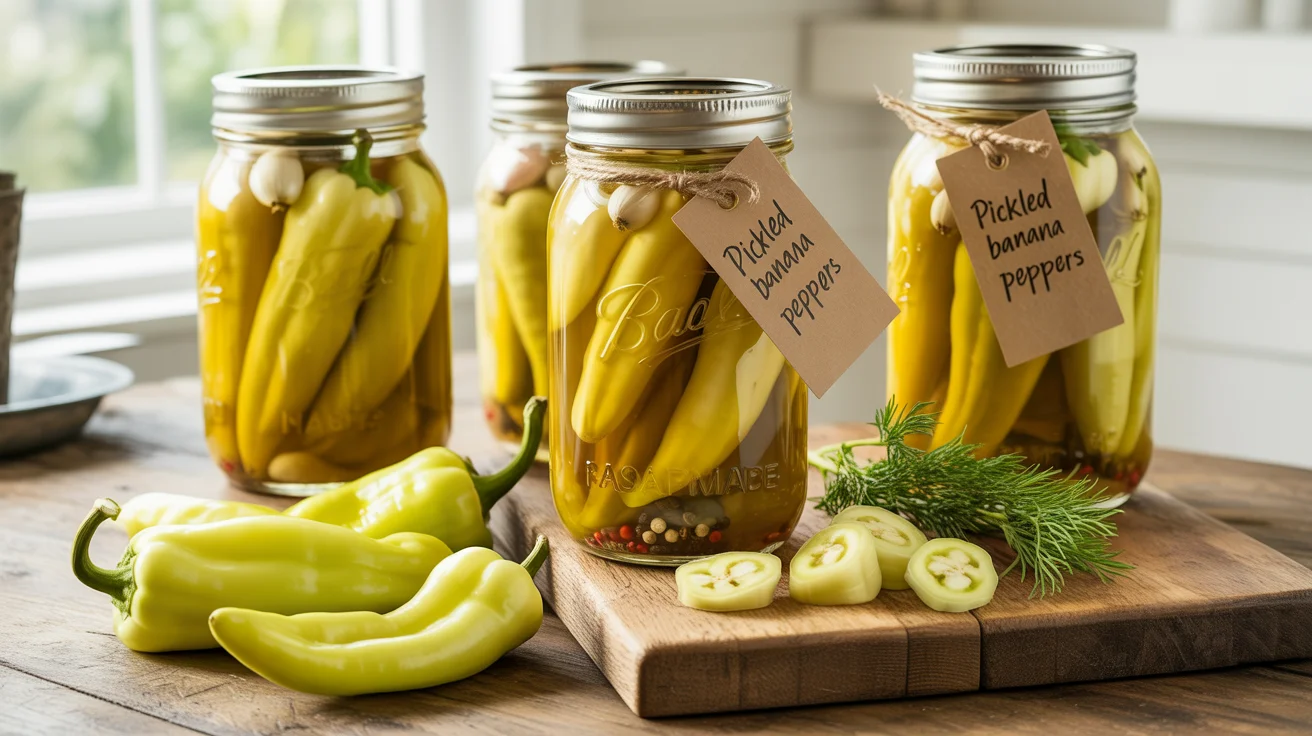
Let’s walk through exactly what to do once banana peppers are ready to come off the plant.
Best Time to Harvest Banana Peppers
For pickling, timing equals texture.
Ideal harvest stage for pickling banana peppers:
-
Color: Pale yellow or light green
-
Length: 4–6 inches
-
Texture: Firm, smooth skin
-
Seeds: Small and underdeveloped
Peppers harvested too late (deep yellow or orange) are still edible, but they tend to soften faster in brine. For the crispiest pickled banana peppers, always harvest slightly early rather than late.
How Often Should You Harvest?
Banana pepper plants are prolific producers. Regular harvesting:
-
Encourages more fruit growth
-
Prevents peppers from becoming overripe
-
Gives you consistent batches for pickling
If you’re serious about learning how to pickle banana peppers for long-term storage, harvesting every 2–3 days during peak season is ideal.
How to Harvest Without Damaging the Plant
Avoid pulling peppers by hand. Instead:
-
Use clean garden scissors or pruning shears
-
Cut just above the stem
-
Handle gently to prevent bruising
Damaged peppers soften faster and don’t pickle as well.
What to Do Immediately After Picking Banana Peppers
Once harvested, don’t let peppers sit around.
Best practice:
-
Rinse under cool water
-
Remove dirt and debris
-
Pat dry
-
Refrigerate if not pickling immediately
For best results when learning how to pickle banana peppers, try to pickle them within 24–48 hours of harvest.
Preparing Banana Peppers for Pickling
Before pickling, you’ll need to prep your peppers properly.
Preparation steps:
-
Inspect and discard damaged peppers
-
Trim off stems
-
Decide: whole or sliced
Whole peppers
-
Look great in jars
-
Slightly softer texture
-
Best for mild peppers
Sliced peppers
-
More surface area for brine
-
Stronger flavor
-
Ideal for sandwiches and toppings
Most people learning how to pickle banana peppers prefer slicing them into rings for even flavor and easier use later.
Removing Seeds (Optional)
Seeds are safe to eat, but removing them:
-
Reduces bitterness
-
Creates a cleaner texture
-
Helps brine penetrate evenly
For hot banana peppers, removing seeds also lowers heat.
Batch Size: Pickle What You Can Handle
A common beginner mistake is harvesting too much at once.
Start small:
-
1–2 pounds of peppers
-
1–2 jars
Once you’re confident in how to pickle banana peppers, scaling up becomes easy—and satisfying.
Preservation Mindset Tip
Every successful batch builds skills you can use across your garden. Harvesting, cleaning, and preserving your own food is the foundation of food independence—a concept expanded on in The Self-Sufficient Backyard, where gardening and preservation work together as a system, not a one-time project.
How To Pickle Banana Peppers (Step-by-Step Guide)
Now it’s time for the heart of this guide. If you’ve been searching for a clear, beginner-friendly explanation of how to pickle banana peppers, this section walks you through the entire process—no guesswork, no fancy equipment, and no complicated techniques.
This method works for refrigerator pickles and can be adapted for pantry storage later if you choose to water-bath can.
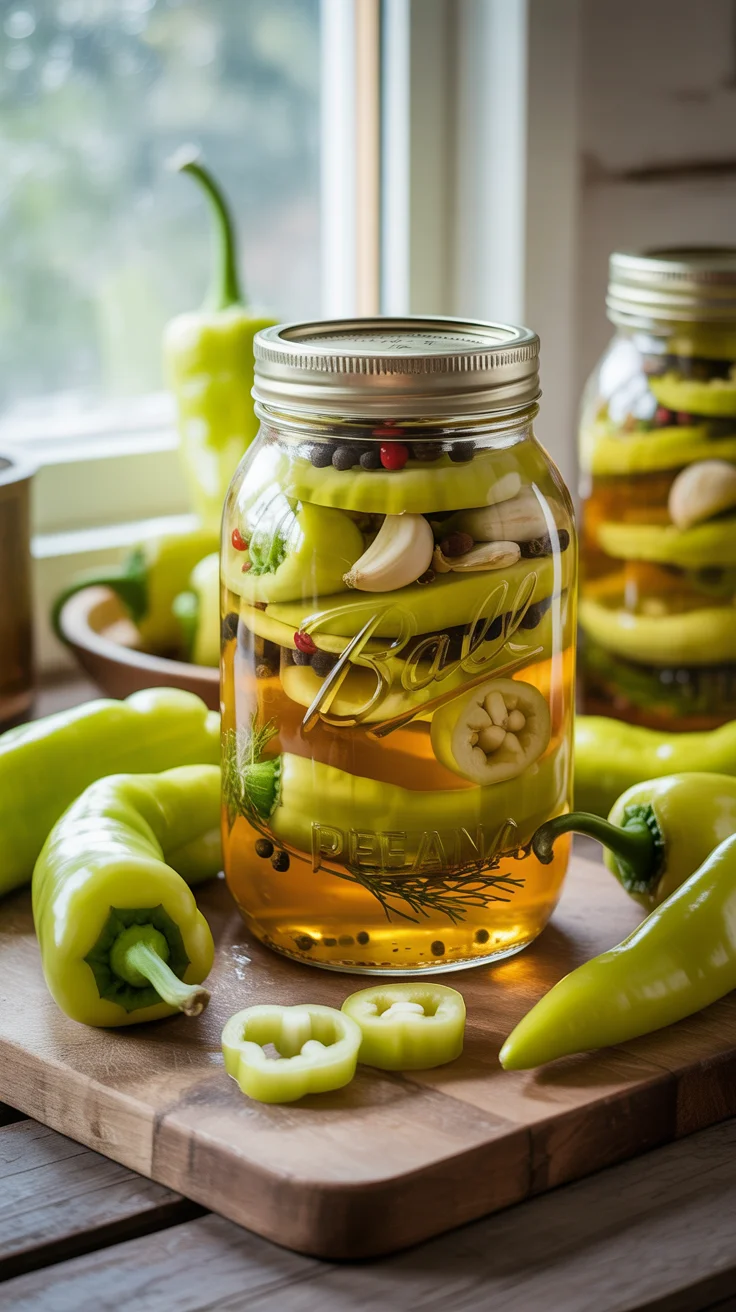
Ingredients You’ll Need
This basic recipe keeps flavors balanced and flexible.
For 1 quart jar of pickled banana peppers:
-
1 pound fresh banana peppers (sliced or whole)
-
1 cup white vinegar (5% acidity)
-
1 cup water
-
1 tablespoon salt (pickling or kosher)
-
1 tablespoon sugar (optional, for mild sweetness)
-
1–2 cloves garlic (optional)
-
Optional spices:
-
Black peppercorns
-
Mustard seed
-
Red pepper flakes (for heat)
-
These ratios are critical for safety and flavor when learning how to pickle banana peppers.
Equipment Required
You don’t need much:
-
Clean glass jars with lids
-
Medium saucepan
-
Knife and cutting board
-
Tongs or fork
No pressure canner is required for refrigerator pickling.
Step 1: Prepare the Peppers
-
Wash peppers thoroughly
-
Remove stems
-
Slice into rings or leave whole
-
Optional: remove seeds
Pack peppers loosely into clean jars. Don’t crush them—air space helps brine circulate evenly.
Step 2: Make the Pickling Brine
In a saucepan:
-
Combine vinegar, water, salt, and sugar
-
Bring to a gentle boil
-
Stir until salt and sugar dissolve
This vinegar-to-water ratio is the foundation of safe pickling and a key part of how to pickle banana peppers correctly.
Step 3: Add Flavorings
Before pouring in the brine, add to each jar:
-
Garlic
-
Spices of choice
Flavoring is optional, but it’s where you can personalize your pickled banana peppers.
Step 4: Pour Brine Over Peppers
-
Carefully pour hot brine over peppers
-
Leave about ½ inch headspace
-
Ensure peppers are fully submerged
Tap the jar gently to release trapped air bubbles.
Step 5: Seal and Cool
-
Wipe jar rims clean
-
Add lids
-
Let jars cool to room temperature
For refrigerator pickles:
-
Refrigerate immediately after cooling
-
Ready to eat in 24–48 hours
-
Best flavor after 5–7 days
At this point, you’ve successfully learned the basic method of how to pickle banana peppers.
Refrigerator Pickling vs. Pantry Storage
Refrigerator pickles
-
Easiest and safest for beginners
-
Last 2–3 months refrigerated
Pantry-stable pickles
-
Require water-bath canning
-
Shelf life 12+ months
-
Covered later in this guide
Starting with refrigerator pickles builds confidence before moving into long-term storage.
Crunch Tip (Optional but Powerful)
For extra crunch:
-
Use very fresh peppers
-
Avoid overcooking brine
-
Add a grape leaf or pinch of calcium chloride (optional)
Crunch is one of the most common goals when learning how to pickle banana peppers, and freshness matters more than any additive.
Why This Method Works
This process balances:
-
Safety
-
Flavor
-
Texture
-
Simplicity
Once you master this, you can pickle almost any pepper or vegetable with confidence.
Once you understand the basics of how to pickle banana peppers, the fun really begins. This is where you customize flavor, heat level, and storage method to fit your kitchen and lifestyle. These variations all build on the same safe foundation you’ve already learned.
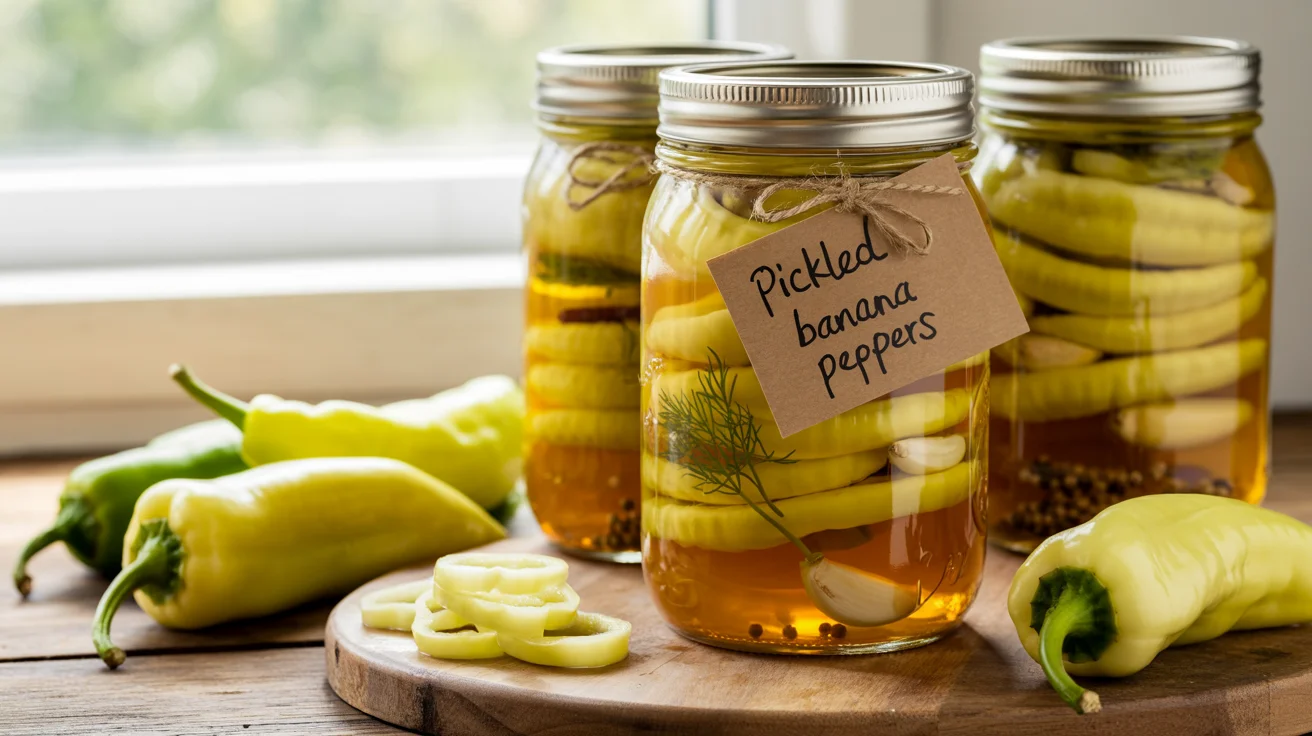
Sweet Pickled Banana Peppers
Sweet pickled banana peppers are the most common version you’ll find in stores—and they’re incredibly easy to make at home.
How to make them sweet:
-
Increase sugar to 2–3 tablespoons per quart
-
Use sweet banana peppers (not hot)
-
Add sliced onions for extra flavor (optional)
Best uses:
-
Sandwiches and subs
-
Burgers and wraps
-
Salads
If you’re new to how to pickle banana peppers, this is the most forgiving and crowd-pleasing option.
Spicy Pickled Banana Peppers
If you like heat, spicy pickled banana peppers are a natural upgrade.
Ways to add heat:
-
Use hot banana peppers
-
Add ½–1 teaspoon red pepper flakes
-
Include a sliced jalapeño per jar
You can control spice easily, which makes this variation perfect for households with different heat preferences.
Garlic & Herb Banana Peppers
For a more savory profile:
-
Add extra garlic cloves
-
Include oregano, thyme, or dill
-
Reduce sugar slightly
This style works especially well for Mediterranean and Italian dishes.
Refrigerator Pickled Banana Peppers (Beginner Favorite)
This is the easiest and safest method when learning how to pickle banana peppers.
Key points:
-
No canner required
-
Ready in 24–48 hours
-
Lasts 2–3 months refrigerated
Perfect for:
-
Small batches
-
First-time picklers
-
Quick results
Shelf-Stable (Pantry) Pickled Banana Peppers
For long-term storage, you can move beyond refrigerator pickles.
Pantry storage requires:
-
Proper vinegar ratio (already covered)
-
Sterilized jars
-
Water-bath canning
Shelf-stable pickled banana peppers:
-
Last 12+ months
-
Don’t require refrigeration
-
Are ideal for emergency food storage
Many people learning how to pickle banana peppers eventually move to pantry storage as part of a larger food security plan—something deeply explored in resources like The Lost Superfoods, which focuses on preserving foods that last without electricity.
Which Variation Should You Choose?
Choose based on your goal:
| Goal | Best Option |
|---|---|
| Fast & easy | Refrigerator pickles |
| Family-friendly | Sweet pickled |
| Heat lovers | Spicy pickled |
| Long-term storage | Pantry-canned |
The beauty of mastering how to pickle banana peppers is flexibility—you can mix and match styles as your confidence grows.
Do Banana Peppers Have to Be Pickled?
One of the most common questions people ask while learning how to pickle banana peppers is whether pickling is actually necessary. The short answer is no—banana peppers don’t have to be pickled. But there are strong reasons why pickling is often the best option.
Let’s look at what else you can do with banana peppers and why pickling usually wins.
Ways to Use Banana Peppers Without Pickling
Fresh banana peppers are versatile and tasty. You can use them:
-
Raw
-
Sliced into salads
-
Added to sandwiches and wraps
-
-
Cooked
-
Sautéed with onions and garlic
-
Added to stir-fries or pasta
-
Roasted or grilled
-
-
Stuffed
-
Filled with cheese or meat
-
Baked as a side dish
-
These methods work well—but they all share one downside: short shelf life.
The Shelf-Life Problem
Fresh banana peppers:
-
Last 1–2 weeks refrigerated
-
Spoil quickly if damaged
-
Require constant planning to use
Cooking helps slightly, but once cooked, peppers still need refrigeration and quick consumption.
This is where learning how to pickle banana peppers becomes so valuable.
Why Pickling Is Often the Best Choice
Pickling banana peppers:
-
Extends shelf life dramatically
-
Preserves flavor and crunch
-
Makes peppers ready-to-eat
-
Reduces food waste
Instead of rushing to use fresh peppers before they spoil, pickling locks in your harvest at its peak.
Pickling vs. Cooking for Convenience
Pickled banana peppers:
-
Require no reheating
-
Can be eaten straight from the jar
-
Work in cold and hot dishes
-
Add instant flavor
Cooked peppers:
-
Require prep each time
-
Don’t store as long
-
Lose texture over time
For busy households, pickling is simply more practical.
A Self-Sufficiency Perspective
From a food-security standpoint, pickling makes even more sense.
Knowing how to pickle banana peppers means:
-
Less reliance on grocery stores
-
Better use of garden surplus
-
More food available year-round
This mindset—turning excess harvest into shelf-stable food—is a core principle in systems like The Self-Sufficient Backyard, where preservation skills support long-term independence rather than short-term convenience.
When You Might Skip Pickling
You might not pickle banana peppers if:
-
You only grow a few plants
-
You plan to use them immediately
-
You prefer cooked dishes only
Even then, many people still pickle some peppers—just to avoid waste.
The Bottom Line
Banana peppers don’t have to be pickled—but if your goal is:
-
Maximum usability
-
Long-term storage
-
Less waste
-
Better flavor access
Then learning how to pickle banana peppers is one of the smartest choices you can make in the kitchen.
How Long Do Homemade Pickled Banana Peppers Last?
Once you’ve mastered how to pickle banana peppers, the next critical question is storage. Knowing how long your pickled banana peppers last—and how to store them properly—protects both flavor and safety.
The good news? Pickled banana peppers are one of the longest-lasting home-preserved vegetables when done correctly.
Refrigerator Pickled Banana Peppers (Short-Term Storage)
Refrigerator pickles are the most common starting point when learning how to pickle banana peppers.
Shelf life:
-
2–3 months refrigerated
-
Best flavor within the first 4–6 weeks
Storage tips:
-
Keep peppers fully submerged in brine
-
Use clean utensils when removing peppers
-
Store toward the back of the fridge for stable temperature
If the brine stays clear and the peppers remain crisp, they’re safe to eat.
Pantry-Stable Pickled Banana Peppers (Long-Term Storage)
When properly water-bath canned, pickled banana peppers can last 12 months or longer.
Shelf life:
-
12–18 months in a cool, dark pantry
-
Some jars remain good beyond this if seals stay intact
Ideal pantry conditions:
-
Cool temperature
-
No direct sunlight
-
Minimal humidity
This is why learning how to pickle banana peppers is so valuable for food security—one harvest can carry you through an entire year.
How to Tell If Pickled Banana Peppers Have Gone Bad
Always check jars before use.
Discard the jar if you notice:
-
Mold on surface or lid
-
Bulging lid or broken seal
-
Foul or rotten smell
-
Slimy texture
Cloudy brine alone is not always dangerous, but it can indicate spoilage—when in doubt, throw it out.
Labeling & Rotation Matters
One overlooked step in how to pickle banana peppers is labeling.
Always write:
-
Pickling date
-
Type (sweet, spicy, garlic, etc.)
Use the first-in, first-out rule so older jars are used before newer ones.
Extending Shelf Life Naturally
To maximize storage time:
-
Use fresh peppers
-
Maintain proper vinegar ratios
-
Avoid contaminating jars after opening
-
Store jars correctly
Preservation success is about consistency, not shortcuts.
Storage as a Survival Skill
Long-lasting food isn’t just convenient—it’s strategic.
Home pickling:
-
Reduces dependence on refrigeration
-
Protects against supply disruptions
-
Builds confidence in food self-reliance
That’s why long-term preservation plays such a big role in guides like The Lost Superfoods, which focus on foods that can safely last months—or years—without modern infrastructure.
Quick Storage Summary
| Storage Method | Shelf Life |
|---|---|
| Refrigerator pickles | 2–3 months |
| Pantry-canned pickles | 12–18 months |
Once you truly understand how to pickle banana peppers, you’re no longer tied to short harvest windows or constant refrigeration.
What To Do With Pickled Banana Peppers
After learning how to pickle banana peppers, the next question is obvious: How do you actually use them? The beauty of pickled banana peppers is that they’re one of the most versatile preserved foods you can keep on hand. A single jar can upgrade dozens of meals with zero prep.
Everyday Ways to Use Pickled Banana Peppers
Pickled banana peppers add acidity, crunch, and mild heat—perfect for balancing rich or bland foods.
Popular everyday uses:
-
Sandwiches, subs, and wraps
-
Burgers and hot dogs
-
Tacos and quesadillas
-
Scrambled eggs and omelets
Because they’re already seasoned, you can add them straight from the jar.
Pizza, Pasta & Italian Dishes
Pickled banana peppers shine in Italian-style meals.
Try them:
-
As a pizza topping
-
Mixed into pasta salads
-
Stirred into tomato sauces
-
Added to antipasto plates
This is one reason so many people search for how to pickle banana peppers—store-bought versions are expensive and often lack flavor compared to homemade.
Salads & Cold Dishes
The acidity of pickled banana peppers replaces or reduces the need for dressing.
Use them in:
-
Green salads
-
Potato salad
-
Tuna or chicken salad
-
Grain bowls
A spoonful of the brine itself can even be used as a quick vinaigrette base.
Pantry Meals & Emergency Cooking
From a preparedness perspective, pickled banana peppers are incredibly valuable.
They:
-
Make canned or dry foods taste fresh
-
Add nutrients and flavor to simple meals
-
Improve morale during limited-food situations
This is why preserved foods play such a major role in systems like The Lost Superfoods, where flavor variety matters just as much as calories during long-term storage.
Creative Uses You Might Not Expect
Once you’re comfortable with how to pickle banana peppers, get creative:
-
Chop into relishes
-
Blend into sauces or spreads
-
Add to deviled eggs
-
Use as garnish for soups
Even the brine can be used to:
-
Brighten soups
-
Marinate vegetables
-
Add tang to beans or lentils
Why Pickled Banana Peppers Belong in Every Pantry
They’re:
-
Shelf-stable (when canned)
-
Ready to eat
-
Flavor-packed
-
Easy to make
Few preserved foods offer this much flexibility with such little effort.
From Skill to Lifestyle
Learning how to pickle banana peppers isn’t just about one recipe—it’s about building habits that make everyday cooking easier and long-term food storage more realistic. Over time, these small skills stack up into real independence.
Common Mistakes to Avoid When Pickling Banana Peppers
Even with a solid recipe, small missteps can ruin texture, flavor, or shelf life. If you’re serious about learning how to pickle banana peppers the right way, avoiding these common mistakes will save you time, ingredients, and frustration.
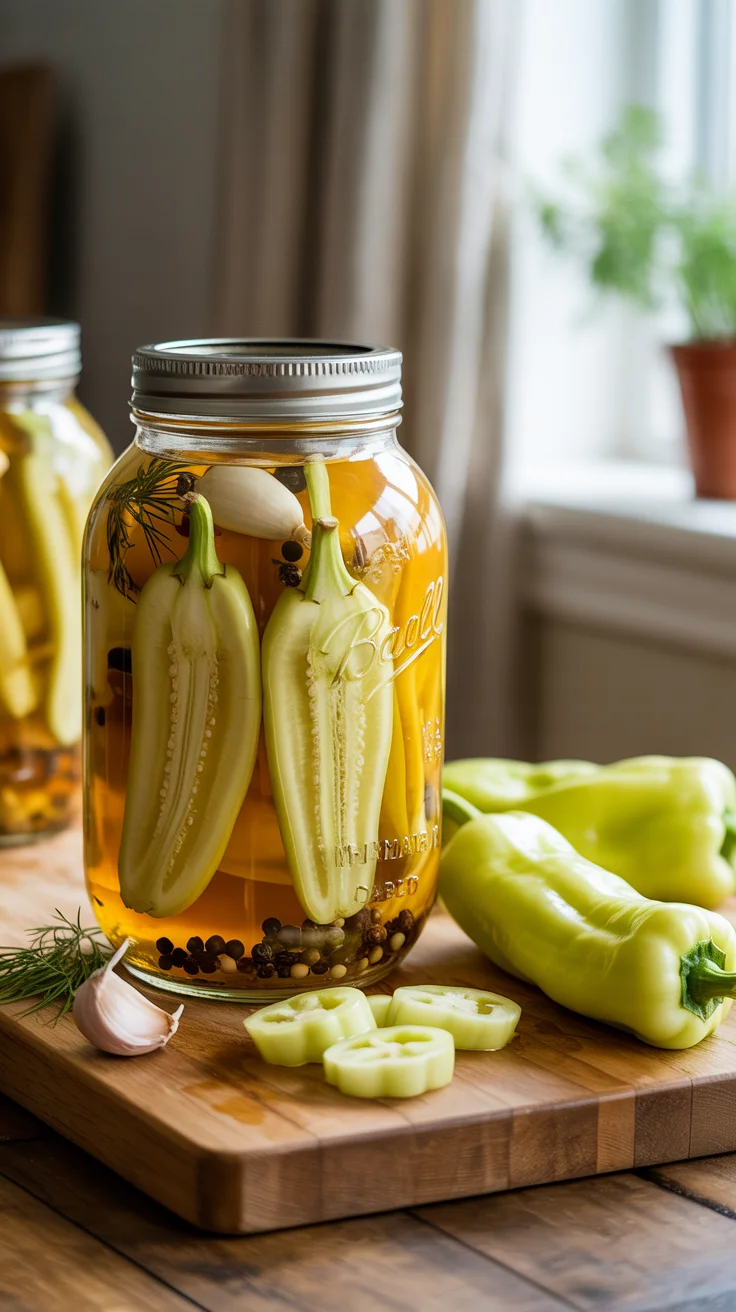
Mistake #1: Using Old or Overripe Peppers
The #1 cause of soft pickled banana peppers is starting with peppers that are past their prime.
Avoid this by:
-
Pickling within 24–48 hours of harvest
-
Choosing firm, glossy peppers
-
Skipping peppers with wrinkles or soft spots
Freshness matters more than any spice or additive when learning how to pickle banana peppers.
Mistake #2: Incorrect Vinegar-to-Water Ratio
This is both a safety and quality issue.
Common errors:
-
Diluting vinegar too much
-
Guessing measurements
-
Using vinegar below 5% acidity
Always stick to a tested ratio (typically 1:1 vinegar to water for banana peppers). Proper acidity is foundational to how to pickle banana peppers safely.
Mistake #3: Using the Wrong Salt
Not all salt behaves the same.
Avoid:
-
Iodized table salt (causes cloudiness)
Use instead:
-
Pickling salt
-
Kosher salt
This small choice makes a big difference in clarity and flavor.
Mistake #4: Overpacking the Jars
Cramming too many peppers into a jar prevents brine circulation.
Results:
-
Uneven flavor
-
Soft spots
-
Poor preservation
Pack peppers loosely so brine can fully surround them—an often-overlooked detail in how to pickle banana peppers correctly.
Mistake #5: Not Submerging Peppers Fully
Any pepper exposed to air is at risk of spoilage.
Fix this by:
-
Leaving proper headspace
-
Pressing peppers down gently
-
Adding more brine if needed
Fully submerged peppers last longer and taste better.
Mistake #6: Skipping Cleanliness
Pickling is forgiving—but not dirty.
Always:
-
Wash jars thoroughly
-
Use clean utensils
-
Avoid touching jar rims unnecessarily
Clean habits are a quiet but critical part of mastering how to pickle banana peppers.
Mistake #7: Expecting Instant Flavor
Pickles need time.
-
Minimum: 24–48 hours
-
Best flavor: 5–7 days
Opening jars too early often leads people to think they “did something wrong” when they didn’t.
Mistake #8: Poor Storage Conditions
Even perfectly pickled banana peppers won’t last if stored poorly.
Avoid:
-
Direct sunlight
-
Heat
-
Temperature swings
Cool, dark storage protects both flavor and safety.
Learn Once, Use Forever
Mistakes are part of the learning curve—but once you understand how to pickle banana peppers properly, the process becomes second nature. These same principles apply to cucumbers, jalapeños, onions, and more.
That’s how simple kitchen skills turn into lifelong food security habits.