
Introduction
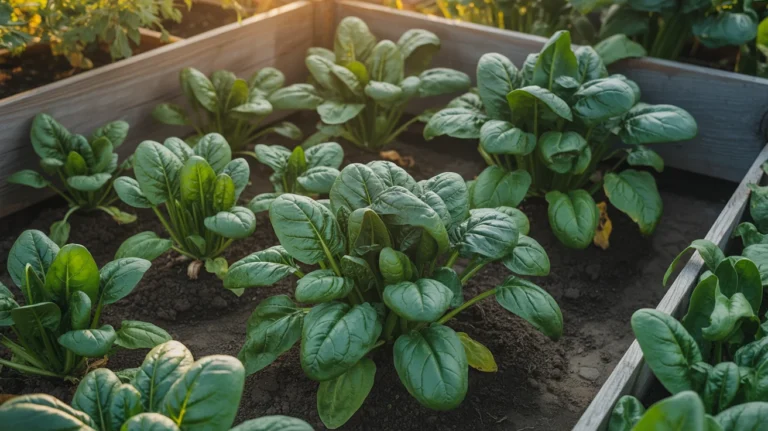
Learning how to grow spinach: growing spinach from seed to harvest is one of the most rewarding skills for any home gardener. Spinach is fast-growing, nutrient-dense, beginner-friendly, and perfect for backyard beds, raised planters, or even small container gardens. Whether you’re planting your very first seeds or trying to improve your harvest cycles, mastering how to grow spinach from seed to harvest can give you fresh greens in as little as a few weeks.
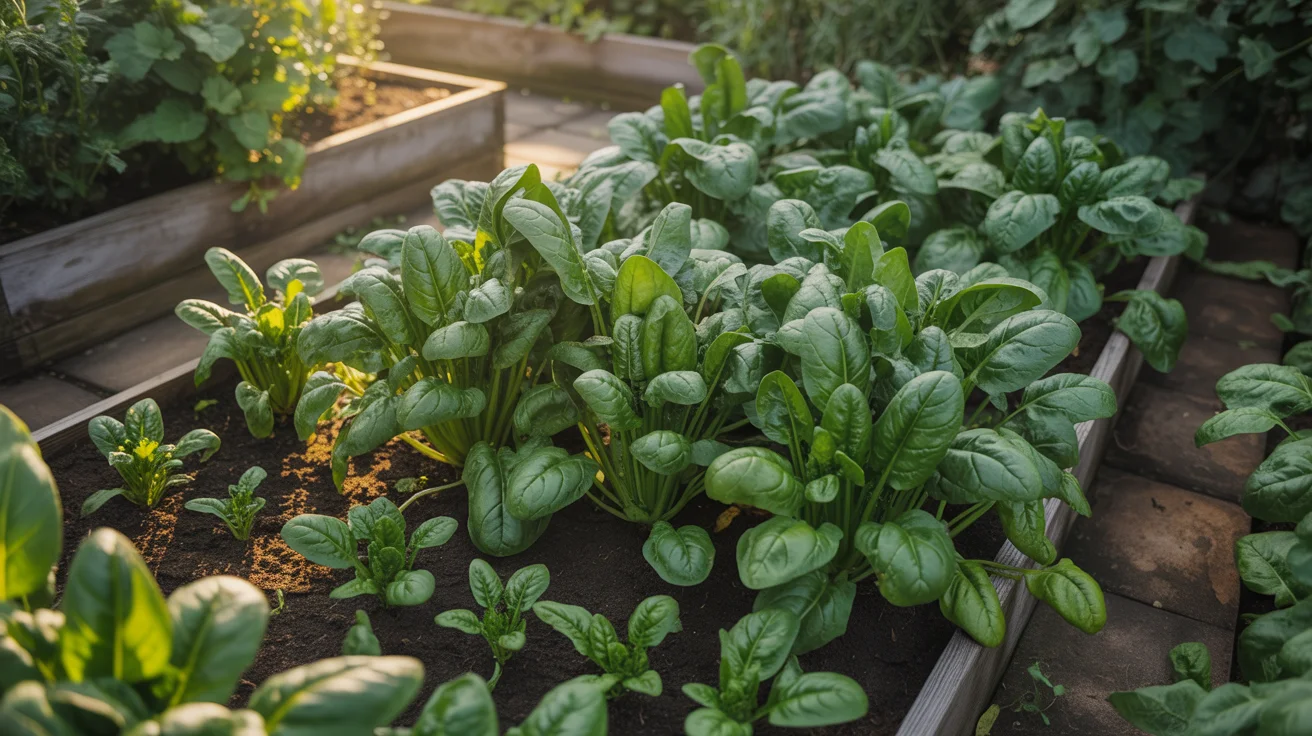
If your goal goes beyond casual gardening and into food security, growing your own leafy greens is a powerful first step. Many home growers pair spinach cultivation with broader self-reliance systems like The Self-Sufficient Backyard, which teaches how to produce food consistently at home using simple, proven methods.
In this complete guide on how to grow spinach: growing spinach from seed to harvest, you’ll learn exactly when to plant, how long spinach takes to grow, how to harvest spinach so it keeps growing, and how many times you can harvest spinach from the same plant. By the end, you’ll know how to grow spinach efficiently, avoid common mistakes, and enjoy continuous harvests season after season.
Understanding Spinach Growth Basics
To truly master how to grow spinach: growing spinach from seed to harvest, it’s important to understand how spinach grows and what it needs at each stage. Spinach is a cool-season leafy green, meaning it thrives in mild temperatures and grows quickly when conditions are right. This makes it ideal for early spring and fall planting, especially for gardeners who want fast results.
Spinach Varieties Explained
Choosing the right variety plays a big role in successful spinach growing from seed to harvest. The three most common types include:
-
Savoy spinach – Crinkled leaves, cold-hardy, excellent flavor
-
Semi-savoy spinach – Slightly crinkled, easier to clean, great for beginners
-
Flat-leaf (smooth) spinach – Tender leaves, commonly used for baby spinach
All varieties follow the same basic principles when learning how to grow spinach from seed to harvest, but semi-savoy and flat-leaf types are often the easiest for home gardens.
Why Spinach Is a Cool-Season Crop
Spinach grows best when temperatures stay between 35°F and 75°F (2°C–24°C). When heat rises, spinach responds by bolting — sending up a flower stalk and turning bitter. Understanding this behavior is critical when growing spinach from seed to harvest, because timing determines success.
Gardeners focused on long-term food resilience often combine cool-season crops like spinach with efficient water systems such as The AquaTower, which supports high-yield growing in limited spaces and helps regulate moisture levels.
Spinach Growth Stages (Quick Overview)
When learning how to grow spinach from seed to harvest, expect these stages:
-
Germination – 5–10 days after planting
-
Seedling stage – First true leaves appear
-
Leaf development – Rapid growth phase
-
Harvest window – Begins 30–45 days after planting
Knowing these stages helps you predict spinach harvest time and plan continuous planting for repeat harvests.
For additional scientific guidance, many extension services such as university agricultural programs publish spinach-growing recommendations based on climate and soil conditions, which we’ll reference later for best practices.
When to Plant Spinach for Best Results
Timing is one of the most important factors in how to grow spinach: growing spinach from seed to harvest successfully. Because spinach prefers cool weather, planting at the right moment can mean the difference between lush leafy growth and plants that bolt too early.
Best Seasons for Growing Spinach
Spinach is typically planted in early spring or early fall:
-
Spring planting: Sow seeds as soon as the soil can be worked, often 2–4 weeks before the last frost.
-
Fall planting: Plant 6–8 weeks before the first expected frost for a sweet, tender harvest.
In many regions, fall spinach actually tastes better because cooler temperatures slow bolting and improve leaf texture. Understanding seasonal timing is essential when learning how to grow spinach from seed to harvest with consistent results.
Ideal Temperature & Soil Conditions
For optimal spinach growth:
-
Soil temperature: 45°F–65°F (7°C–18°C)
-
Air temperature: Below 75°F (24°C)
-
Soil type: Loose, well-draining, rich in organic matter
If soil dries out or overheats, spinach may struggle to germinate. Gardeners using structured backyard systems often integrate water-efficient solutions like The AquaTower to keep moisture consistent and reduce heat stress.
Planting Spinach Seeds Correctly
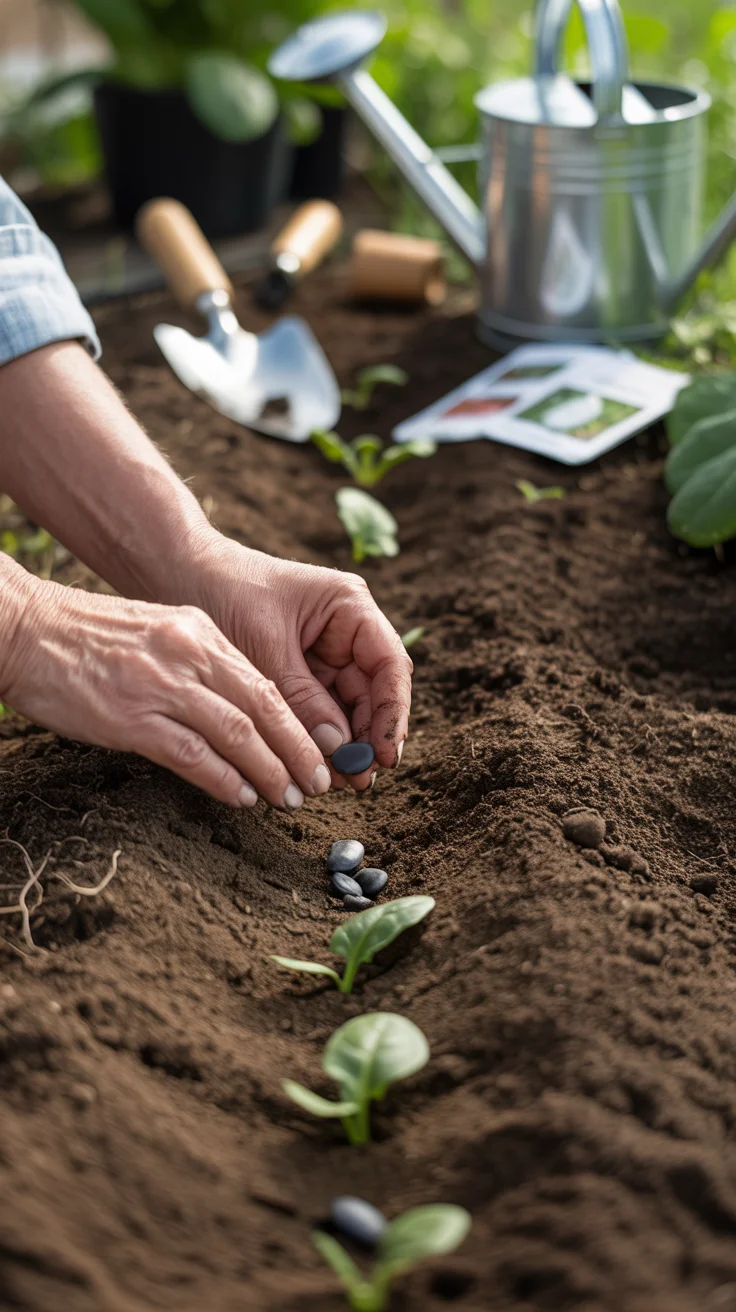
When growing spinach from seed to harvest, proper planting depth and spacing matter:
-
Plant seeds ½ inch deep
-
Space seeds 1–2 inches apart
-
Thin seedlings to 3–4 inches apart after sprouting
Consistent moisture during the first 10 days is critical. Uneven watering is one of the most common reasons gardeners struggle with spinach seed germination.
Climate-Based Planting Tips
-
Cool climates: Full sun is ideal
-
Warm climates: Partial shade prevents bolting
-
Containers: Moveable pots help control temperature
Many home growers pair spinach with other fast-growing greens to maximize garden output. For those aiming at long-term food planning, learning how to grow spinach alongside preserved foods is covered extensively in resources like The Lost Superfoods, which focuses on sustainable nutrition strategies.
How to Grow Spinach From Seed (Step-by-Step)
This is the heart of how to grow spinach: growing spinach from seed to harvest. While spinach is considered an easy crop, following the right steps from day one dramatically improves germination rates, leaf quality, and total harvests.
Step 1: Choose High-Quality Spinach Seeds
When growing spinach from seed to harvest, seed quality matters more than many gardeners realize. Fresh seeds germinate faster and more evenly.
Tips for choosing seeds:
-
Look for seeds labeled for your climate zone
-
Choose bolt-resistant varieties if you live in warmer regions
-
Use untreated or organic seeds when possible
Spinach seeds don’t store as long as some vegetables, so avoid seeds older than 2–3 years.
Step 2: Prepare the Soil Properly
Healthy soil is the foundation of success when learning how to grow spinach from seed to harvest.
Ideal soil conditions:
-
Loose, well-draining soil
-
Rich in compost or aged manure
-
Soil pH between 6.5 and 7.5
Before planting, loosen the top 8–10 inches of soil and mix in organic matter. This encourages shallow roots to spread easily and absorb nutrients efficiently.
Gardeners focused on high-yield food production often follow structured soil systems taught in The Self-Sufficient Backyard, which emphasizes soil health as the key to consistent harvests.
Step 3: Plant Spinach Seeds Correctly
To grow spinach successfully from seed to harvest:
-
Plant seeds ½ inch deep
-
Space seeds 1–2 inches apart
-
Lightly cover with soil and gently water
Avoid burying seeds too deeply — spinach needs light soil contact to sprout. Germination usually occurs within 5–10 days if moisture is consistent.
Step 4: Watering During Germination
Watering is critical in the early phase of growing spinach from seed to harvest.
Best practices:
-
Keep soil evenly moist, not soggy
-
Water lightly once or twice daily during germination
-
Use mulch to retain moisture and cool soil
Inconsistent watering is one of the main reasons spinach fails early. Systems like The AquaTower help regulate moisture naturally, especially in warmer or drier climates.
Step 5: Thin Seedlings for Strong Growth
Once seedlings reach about 2 inches tall, thinning is essential.
-
Thin plants to 3–4 inches apart
-
Remove weaker seedlings to allow airflow and leaf expansion
Although it feels counterintuitive, thinning directly improves yields and helps prevent disease — a crucial step in mastering how to grow spinach from seed to harvest.
Step 6: Early Care After Sprouting
During the first few weeks:
-
Keep soil consistently moist
-
Protect seedlings from extreme heat
-
Watch for pests like leaf miners
Healthy early growth sets the stage for faster leaf production and earlier spinach harvest time.
How Long Does Spinach Take to Grow From Seed to Harvest?
One of the most common questions when learning how to grow spinach: growing spinach from seed to harvest is how long it actually takes before you can start harvesting. The good news is that spinach is one of the fastest-growing vegetables, making it perfect for gardeners who want quick results.
Average Spinach Growth Timeline
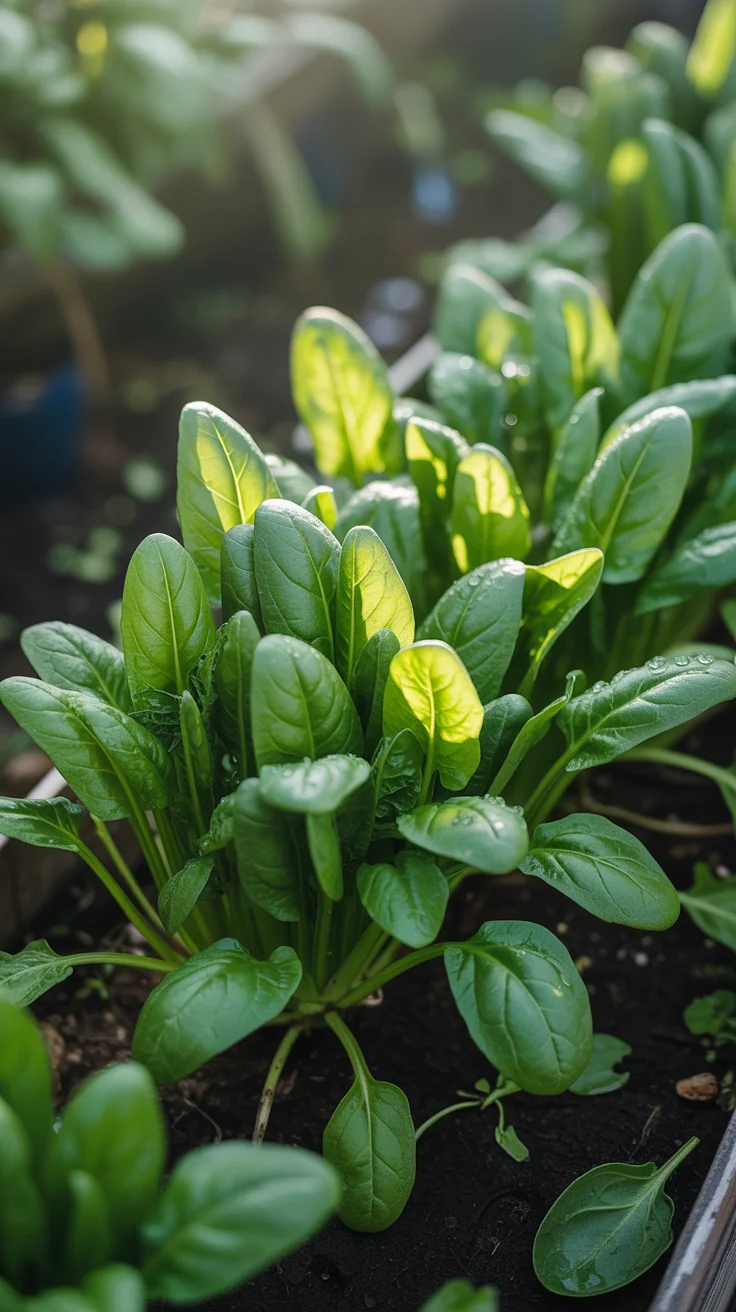
When growing spinach from seed to harvest under ideal conditions, you can expect the following timeline:
-
Days 1–10: Germination
-
Days 10–20: Seedling development
-
Days 20–30: Rapid leaf growth
-
Days 30–45: First harvest window
Many gardeners begin harvesting baby spinach leaves as early as 25–30 days, while full-sized leaves are usually ready by 40–45 days. This rapid growth is why spinach is a staple crop in beginner and survival gardens alike.
Factors That Affect Spinach Growth Speed
Several conditions influence how quickly spinach reaches harvest time:
-
Temperature: Cooler temperatures speed leaf growth
-
Sunlight: 4–6 hours daily is ideal
-
Water consistency: Dry spells slow growth
-
Soil fertility: Nutrient-rich soil boosts leaf size
Understanding these factors is key to mastering how to grow spinach from seed to harvest efficiently and predictably.
Baby Spinach vs. Mature Spinach Harvest
You can harvest spinach at different stages depending on your needs:
-
Baby spinach:
-
Harvest at 3–4 inches tall
-
Tender flavor, great for salads
-
-
Mature spinach:
-
Harvest at 6–8 inches tall
-
Better for cooking
-
Harvesting early often encourages the plant to keep producing, which ties directly into learning how to harvest spinach so it keeps growing — a topic we’ll cover next.
Accelerating Spinach Growth Naturally
To shorten the time from seed to harvest:
-
Use compost-rich soil
-
Keep soil consistently moist
-
Shade plants during warm afternoons
-
Harvest outer leaves regularly
Gardeners focused on year-round food production often combine fast-growing crops like spinach with broader planning systems such as The Self-Sufficient Backyard, which emphasizes stacking quick harvest crops for continuous yield.
How to Harvest Spinach So It Keeps Growing
Knowing how to harvest spinach so it keeps growing is what separates one-time harvests from months of continuous fresh greens. If done correctly, a single spinach planting can produce multiple harvests, making how to grow spinach: growing spinach from seed to harvest far more productive.
The Cut-and-Come-Again Method (Best Technique)
The most effective way to harvest spinach for repeat growth is the cut-and-come-again method.
How it works:
-
Harvest only the outer leaves first
-
Leave the center (growing point) intact
-
Use clean scissors or garden shears
By allowing the inner leaves to continue growing, spinach will regrow again and again. This method is essential when learning how to grow spinach from seed to harvest for long-term yields.
When to Start Harvesting Spinach
You can begin harvesting spinach when:
-
Leaves are 3–4 inches tall (baby spinach)
-
Plants have at least 6 healthy leaves
Never remove more than ⅓ of the plant at one time. Overharvesting stresses the plant and slows regrowth.
How Often Can You Harvest Spinach?
Under ideal conditions, spinach can be harvested:
-
Every 7–10 days
-
2–4 times per plant before bolting
This answers one of the most common questions about growing spinach from seed to harvest: How many times can you harvest spinach? With proper care, the answer is multiple times.
Harvesting Spinach in Warm Weather
As temperatures rise, spinach becomes more sensitive:
-
Harvest early in the morning
-
Provide afternoon shade
-
Increase watering slightly
Warm-weather management is critical to extend the harvest season and prevent bolting.
Tools That Make Harvesting Easier
Simple tools improve harvesting efficiency:
-
Sharp scissors or garden snips
-
Clean collection baskets
-
Shade cloth for hot climates
Gardeners serious about maximizing every square foot often combine spinach harvesting strategies with efficient vertical or compact systems like The AquaTower, which supports repeated harvesting without soil degradation.
How Do You Know When Spinach Is Ready to Harvest?
A key part of how to grow spinach: growing spinach from seed to harvest is recognizing the perfect harvest window. Picking spinach at the right time ensures the best flavor, texture, and continued regrowth.
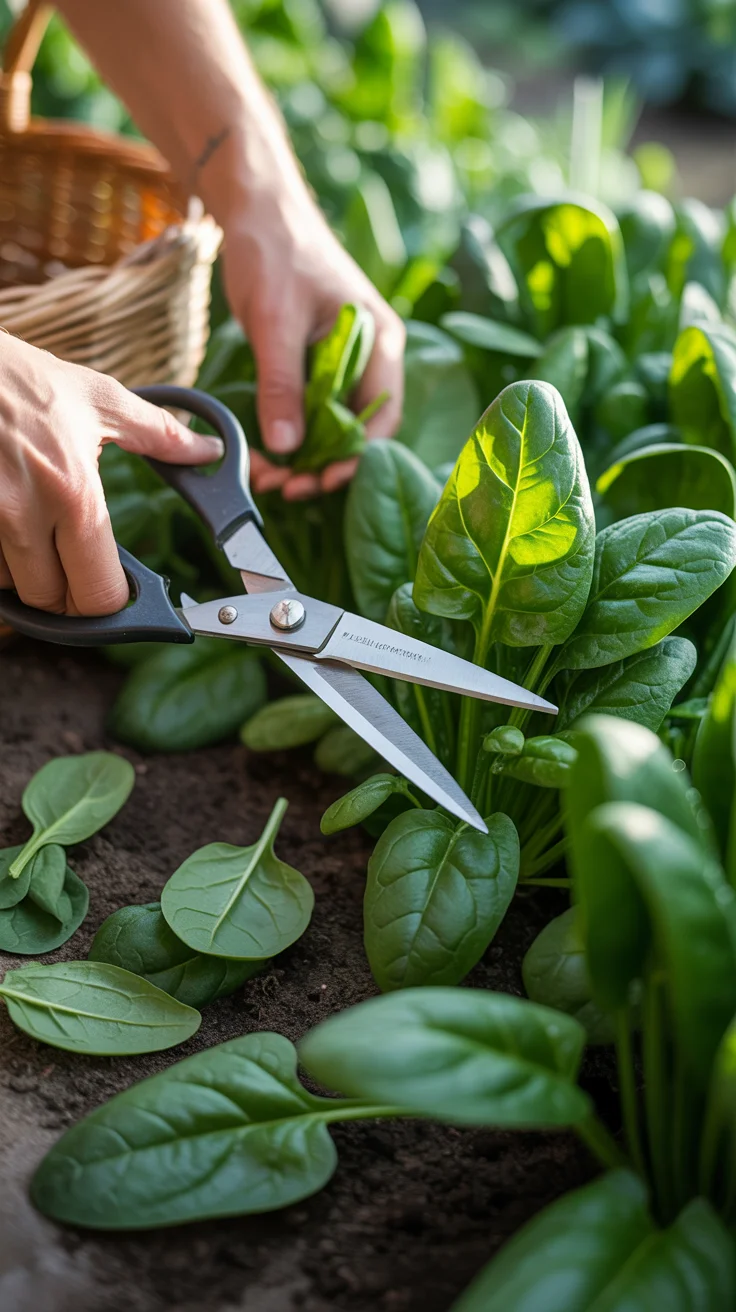
Visual Signs Spinach Is Ready to Harvest
Spinach is ready to harvest when:
-
Leaves reach 3–4 inches for baby spinach
-
Leaves reach 6–8 inches for mature spinach
-
Leaves are deep green and tender
-
Plants have a full, bushy appearance
When growing spinach from seed to harvest, appearance matters more than age. Some plants grow faster depending on weather and soil conditions.
Taste & Texture Indicators
Spinach harvested at the right time:
-
Has a mild, slightly sweet flavor
-
Is tender, not tough or fibrous
If leaves become thick or bitter, the plant may be close to bolting. This is a sign to harvest immediately or remove the plant.
Warning Signs You’ve Waited Too Long
Knowing when not to harvest is just as important:
-
Bolting: A tall central stalk forms
-
Yellowing leaves: Nutrient depletion
-
Excessively large leaves: Tough texture
Once bolting begins, spinach quality declines quickly, which is why timing is essential in how to grow spinach from seed to harvest.
Harvest Timing Tips for Best Results
-
Harvest early in the morning for best flavor
-
Avoid harvesting during extreme heat
-
Harvest frequently to encourage new growth
Gardeners planning long-term food strategies often track harvest timing alongside preservation knowledge taught in The Lost Superfoods, ensuring nothing goes to waste once spinach reaches peak readiness.
Common Spinach Growing Problems (and How to Fix Them)
Even when you understand how to grow spinach: growing spinach from seed to harvest, problems can still arise. The good news is that most spinach issues are easy to identify and fix when caught early.
Problem 1: Spinach Bolting Too Early
Cause:
-
High temperatures
-
Long daylight hours
-
Water stress
Solutions:
-
Plant in early spring or fall
-
Provide afternoon shade
-
Harvest frequently
-
Use bolt-resistant varieties
Bolting is one of the most common frustrations when growing spinach from seed to harvest, but proper timing dramatically reduces the risk.
Problem 2: Yellowing Spinach Leaves
Cause:
-
Nitrogen deficiency
-
Overwatering or poor drainage
Solutions:
-
Add compost or organic fertilizer
-
Improve soil drainage
-
Avoid waterlogged soil
Healthy soil management is a core principle of how to grow spinach from seed to harvest successfully.
Problem 3: Poor Germination
Cause:
-
Dry soil
-
Old seeds
-
High soil temperatures
Solutions:
-
Keep soil consistently moist
-
Use fresh seeds
-
Plant during cooler weather
Spinach seeds are sensitive, so even minor dryness can reduce sprouting rates.
Problem 4: Pest Damage (Leaf Miners & Aphids)
Signs:
-
Winding trails in leaves
-
Small holes or sticky residue
Solutions:
-
Remove affected leaves
-
Use row covers
-
Encourage beneficial insects
Spinach is generally pest-resistant, especially when grown in healthy soil.
Problem 5: Slow Growth
Cause:
-
Poor soil nutrients
-
Inconsistent watering
-
Overcrowding
Solutions:
-
Thin plants properly
-
Add compost tea
-
Maintain steady moisture
Gardeners focused on minimizing crop failure often combine spinach growing with broader resilience strategies like The Self-Sufficient Backyard, which teaches systematic approaches to food production that reduce dependency on any single crop.
Growing Spinach for Continuous Harvests & Self-Sufficiency
Once you’ve learned the basics of how to grow spinach: growing spinach from seed to harvest, the next step is maximizing yield. Spinach is ideal for continuous harvesting, making it one of the most valuable crops for backyard food production and self-sufficiency.
Succession Planting for Ongoing Harvests
Succession planting is one of the most effective strategies when growing spinach from seed to harvest over a long season.
How it works:
-
Plant new spinach seeds every 10–14 days
-
Stagger plantings in different garden sections
-
Harvest older plants while younger ones mature
This method ensures you always have spinach at different growth stages, reducing gaps in harvest time.
How Many Times Can You Harvest Spinach Long-Term?
By combining succession planting with the cut-and-come-again method, you can:
-
Harvest individual plants 2–4 times
-
Harvest spinach from the same bed for 8–12 weeks
-
Maintain a steady supply of fresh leaves
This approach is central to mastering how to grow spinach from seed to harvest for long-term food production.
Growing Spinach in Small Spaces
You don’t need a large garden to grow spinach successfully.
Spinach grows well in:
-
Raised beds
-
Containers and pots
-
Vertical or compact systems
Spinach’s shallow roots make it perfect for tight spaces, balconies, and urban gardens.
Gardeners with limited space often pair spinach with efficient systems like The AquaTower, which allows high-density planting while maintaining consistent water and nutrient delivery.
Companion Planting With Spinach
Spinach grows well alongside:
-
Radishes
-
Lettuce
-
Peas
-
Strawberries
Avoid planting spinach near crops that compete heavily for nutrients. Good companions help shade the soil and extend the spinach growing season.
Spinach as a Foundation Crop for Food Security
Spinach is often one of the first crops chosen by gardeners focused on resilience because:
-
It grows quickly
-
Requires minimal space
-
Produces multiple harvests
-
Is nutrient-dense
For those planning beyond fresh harvests, resources like The Lost Superfoods explore how leafy greens fit into long-term food strategies and preservation planning.
Recommended Tools & Resources for Successful Spinach Growing
To fully succeed at how to grow spinach: growing spinach from seed to harvest, having the right tools and learning resources makes the process easier, more efficient, and more reliable. While spinach is low-maintenance, smart systems help maximize harvests and reduce common mistakes.
Essential Tools for Growing Spinach at Home
You don’t need expensive equipment, but a few basics go a long way:
-
Hand trowel & rake – For soil prep and planting
-
Garden scissors or snips – For clean harvesting
-
Mulch or straw – Keeps soil cool and moist
-
Watering can or drip system – Prevents dry stress
These tools support consistent growth and are especially helpful when growing spinach from seed to harvest in raised beds or containers.
Water Management & Growing Efficiency
Spinach is sensitive to inconsistent moisture. Even short dry periods can slow growth or trigger bolting. Gardeners aiming for dependable harvests often integrate efficient watering solutions or structured systems.
One popular option for small spaces and backyard efficiency is The AquaTower, which supports compact, high-yield growing while helping regulate water and nutrient delivery — ideal for leafy greens like spinach.
Learning Resources for Long-Term Success
If your goal is to grow more than just spinach, learning complete food-production systems can dramatically increase results. Many gardeners who master how to grow spinach from seed to harvest expand into full backyard food setups.
A highly relevant resource is The Self-Sufficient Backyard, which teaches step-by-step methods for producing consistent harvests at home, even with limited space or experience.
Planning Beyond Fresh Harvests
Once you’re harvesting spinach regularly, the next step is using it efficiently. Knowing how to store, preserve, and rotate fresh greens ensures nothing goes to waste.
Guides like The Lost Superfoods complement spinach growing by teaching long-term food strategies that pair well with fast-growing crops.
Mastering How to Grow Spinach From Seed to Harvest
Learning how to grow spinach: growing spinach from seed to harvest is one of the most practical and rewarding gardening skills you can develop. Spinach grows quickly, thrives in small spaces, and delivers multiple harvests when cared for properly. From choosing the right planting time to mastering the cut-and-come-again method, spinach rewards attention with fresh, nutrient-rich leaves again and again.
By following the steps in this guide, you now know:
-
When and how to plant spinach seeds
-
How long spinach takes to grow from seed to harvest
-
How to harvest spinach so it keeps growing
-
How many times spinach can be harvested
-
How to prevent common spinach growing problems
Whether you’re growing spinach for fresh salads, cooking, or long-term food planning, it’s an ideal crop for beginners and experienced gardeners alike. Many growers who start with spinach expand into broader food systems using proven frameworks like The Self-Sufficient Backyard to turn small gardens into reliable food sources.
With consistent planting, smart harvesting, and basic care, spinach can become one of the most dependable crops in your garden year after year.
Frequently Asked Questions (FAQ)
❓ How long does spinach take to grow from seed to harvest?
Spinach typically takes 30–45 days from seed to harvest. Baby spinach can be harvested as early as 25–30 days, while mature leaves are ready closer to 40–45 days, depending on weather and care.
❓ How do you harvest spinach so it keeps growing from seed?
Use the cut-and-come-again method. Harvest only the outer leaves and leave the center growing point intact. This allows spinach to regrow and produce multiple harvests.
❓ How do you know when spinach is ready to harvest?
Spinach is ready when leaves are:
-
3–4 inches for baby spinach
-
6–8 inches for mature spinach
Leaves should be dark green, tender, and free of flower stalks.
❓ How many times can you harvest spinach?
Spinach can usually be harvested 2–4 times per plant, and beds can produce for 8–12 weeks when succession planting is used.