
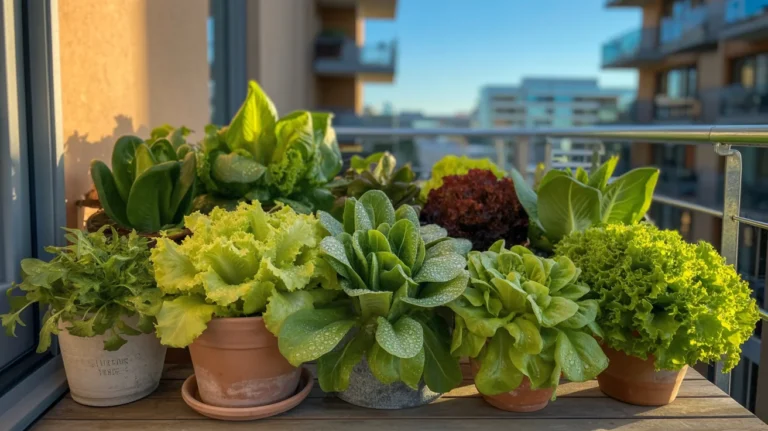
How to Grow Lettuce in Containers the Smart Way
Learning how to grow lettuce in containers is one of the easiest and most rewarding ways to start home gardening—even if you have limited space. Whether you’re working with a balcony, patio, small backyard, or sunny windowsill, container-grown lettuce offers fast results, minimal maintenance, and fresh greens on demand. With the right approach, you can harvest crisp, flavorful leaves in as little as 30 days.
One of the biggest advantages of mastering how to grow lettuce in containers is control. You control the soil, water, sunlight, and nutrients—eliminating many of the problems that affect in-ground gardens. This makes container lettuce ideal for beginners, busy households, and anyone interested in sustainable, self-sufficient living.
If your goal goes beyond a single pot and into long-term food independence, resources like The Self-Sufficient Backyard can help you expand simple container methods into a complete home food system without needing acres of land.
In this guide, you’ll discover 8 practical tactics to grow lettuce in containers successfully. We’ll cover container selection, soil, watering, fertilizer choices, common mistakes, and expert tricks that dramatically improve yields. By the end, you’ll know exactly how to grow lettuce in containers consistently—season after season.
For additional home gardening and food-production resources, you can explore related articles here:
👉 Success Formula Lab gardening posts
Why Lettuce Thrives in Containers
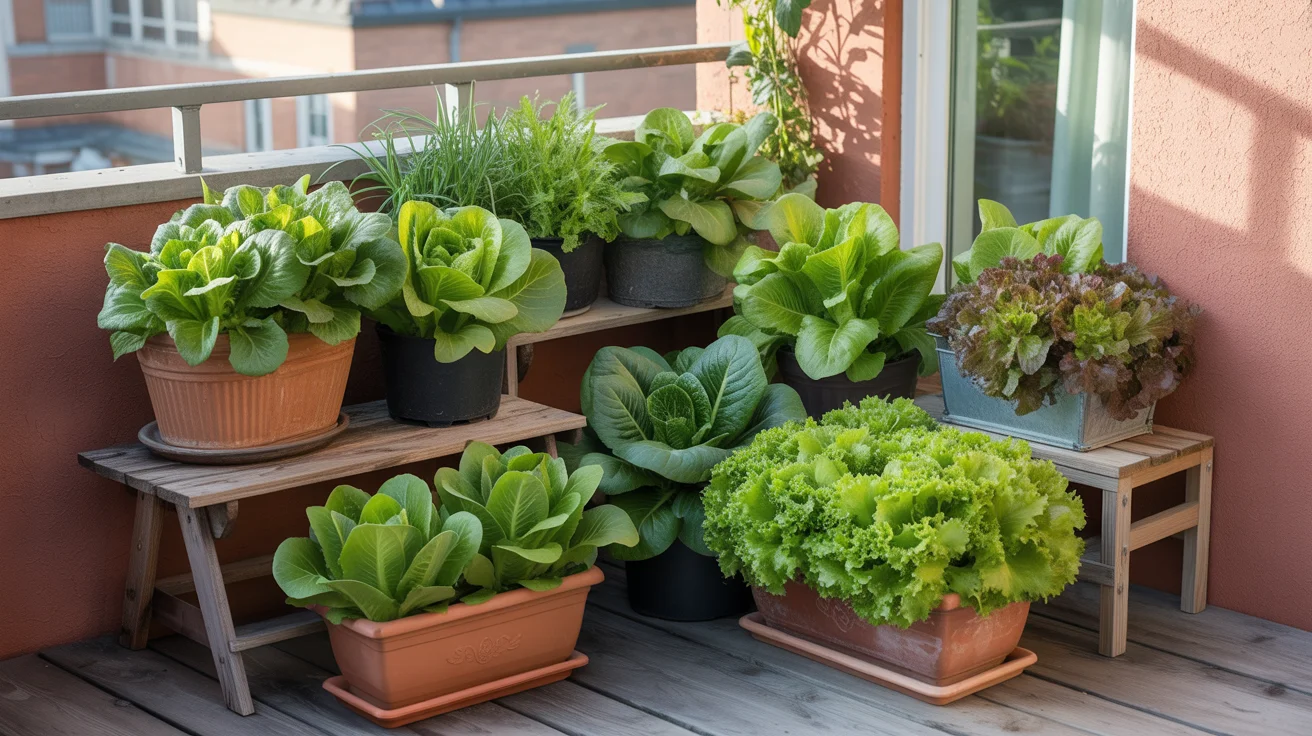
Understanding how to grow lettuce in containers starts with knowing why lettuce is one of the best vegetables for container gardening in the first place. Lettuce has a shallow root system, a fast growth cycle, and low nutrient demands compared to fruiting plants. These traits make growing lettuce in pots both forgiving and highly productive—even for first-time gardeners.
One major reason how to grow lettuce in containers is so beginner-friendly is environmental control. When lettuce is grown in the ground, it’s exposed to soil compaction, pests, weeds, and inconsistent moisture. Containers eliminate most of these problems. You can move pots to adjust sunlight, protect plants from heavy rain, and maintain ideal soil conditions at all times.
Another advantage of container lettuce gardening is temperature regulation. Lettuce prefers cool conditions and tends to bolt (produce flowers and turn bitter) in hot weather. With containers, you can shift plants into partial shade during heat waves or bring them indoors when temperatures spike. This flexibility is a key trick seasoned gardeners use when mastering how to grow lettuce in containers year-round.
Containers also make succession planting easier. Instead of planting all your lettuce at once, you can stagger multiple small pots every 1–2 weeks. This ensures a continuous harvest and prevents waste. If you’re interested in scaling this approach into a larger, more resilient food system, The Self-Sufficient Backyard provides practical methods for producing fresh food consistently in small spaces.
Finally, growing lettuce in containers allows you to grow cleaner, healthier greens. Since you control the soil, you avoid contaminated ground and reduce the need for chemical pesticides. This makes container lettuce ideal for organic gardening and home food security.
Choosing the Right Container for Growing Lettuce
Choosing the proper container is a critical step in learning how to grow lettuce in containers successfully. While lettuce doesn’t need deep soil, it does require enough surface area, drainage, and stability to support healthy leaf growth. The right container alone can significantly increase your harvest.
Ideal Container Size for Lettuce
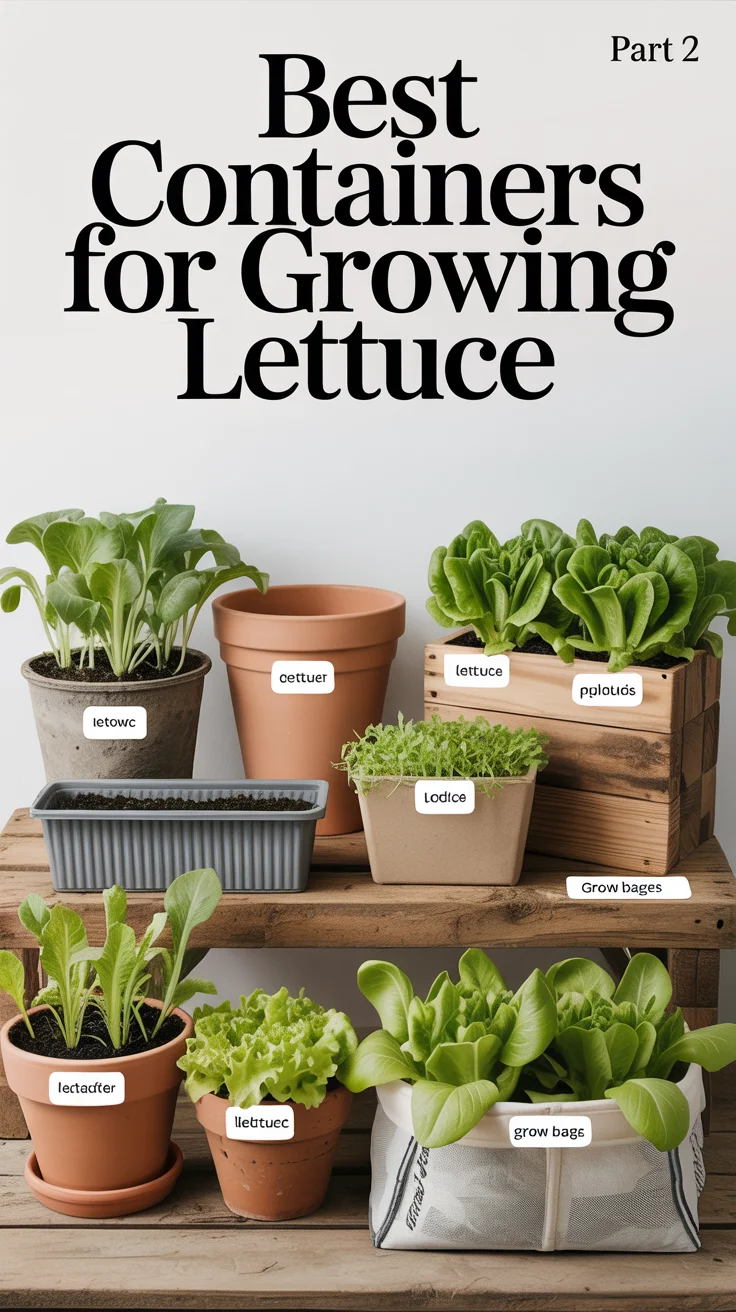
When growing lettuce in pots, aim for containers that are at least 6–8 inches deep. Depth matters less than width—lettuce roots spread sideways rather than downward. Wide containers allow you to grow multiple plants together, maximizing yield in small spaces. This is one of the simplest but most overlooked principles of how to grow lettuce in containers efficiently.
Drainage Is Non-Negotiable
No matter the material, containers must have drainage holes. Lettuce is highly sensitive to waterlogged soil, which can quickly lead to root rot. If your container doesn’t already have holes, drilling a few at the bottom is essential. Place a shallow tray underneath to catch excess water without letting roots sit in it.
Best Container Materials
Almost any container can work as long as it drains well:
-
Plastic pots retain moisture longer (great for warm climates)
-
Clay or terracotta pots breathe better (ideal for humid areas)
-
Fabric grow bags improve airflow and root health
-
Recycled containers (buckets, bins, food-safe tubs) are budget-friendly options
Light-colored containers are especially useful in hot weather, as they reflect heat and help prevent lettuce from bolting—an important detail when perfecting how to grow lettuce in containers during summer months.
Space-Saving & Vertical Options
If space is limited, vertical and stackable containers can dramatically increase output. Systems like The AquaTower demonstrate how efficient water flow and vertical spacing can support leafy greens like lettuce while using minimal ground area.
For additional container gardening strategies and setup ideas, browse the site’s growing guides here:
👉 Success Formula Lab gardening posts
The Best Soil Mix for Growing Lettuce in Containers
If you want to master how to grow lettuce in containers, soil quality is just as important as the container itself. Lettuce grows quickly and relies on loose, nutrient-rich soil to develop tender, flavorful leaves. Poor soil is one of the most common reasons container lettuce fails.
Why Garden Soil Doesn’t Work in Containers
A key rule in learning how to grow lettuce in containers is to never use regular garden soil. It compacts easily in pots, restricts oxygen flow, and drains poorly. This leads to weak roots, slow growth, and disease. Instead, always start with a high-quality potting mix designed for containers.
Ideal Soil Characteristics for Lettuce
The best soil for growing lettuce in pots should be:
-
Light and airy for fast root expansion
-
Well-draining to prevent soggy conditions
-
Rich in organic matter to support rapid leaf growth
A simple and effective soil mix for container lettuce includes:
-
70% quality potting mix
-
20% compost or worm castings
-
10% perlite or coarse sand for drainage
This blend supports consistent moisture while avoiding waterlogging—one of the core principles behind successful how to grow lettuce in containers techniques.
Do Coffee Grounds Help Lettuce Grow?
Used coffee grounds are often misunderstood. While they contain small amounts of nitrogen, fresh coffee grounds are acidic and can inhibit lettuce growth if overused. Composting coffee grounds first is the safest option. Once composted, they improve soil structure and microbial activity but should never replace balanced fertilizer.
Boosting Soil for Long-Term Self-Sufficiency
For gardeners focused on sustainability, building living soil is key. Compost, leaf mold, and natural amendments reduce the need for synthetic inputs. Guides like The Self-Sufficient Backyard show how to create fertile soil systems that continuously support crops like lettuce with minimal outside inputs.
For more soil preparation and organic growing tips, explore related posts here:
👉 Success Formula Lab gardening posts
8 Proven Tactics to Grow Lettuce in Containers
This is the core of mastering how to grow lettuce in containers. The following 8 proven tactics are practical, beginner-friendly, and used by experienced gardeners to produce fast, healthy, and continuous lettuce harvests in pots.
Tactic 1: Choose Loose-Leaf Lettuce Varieties
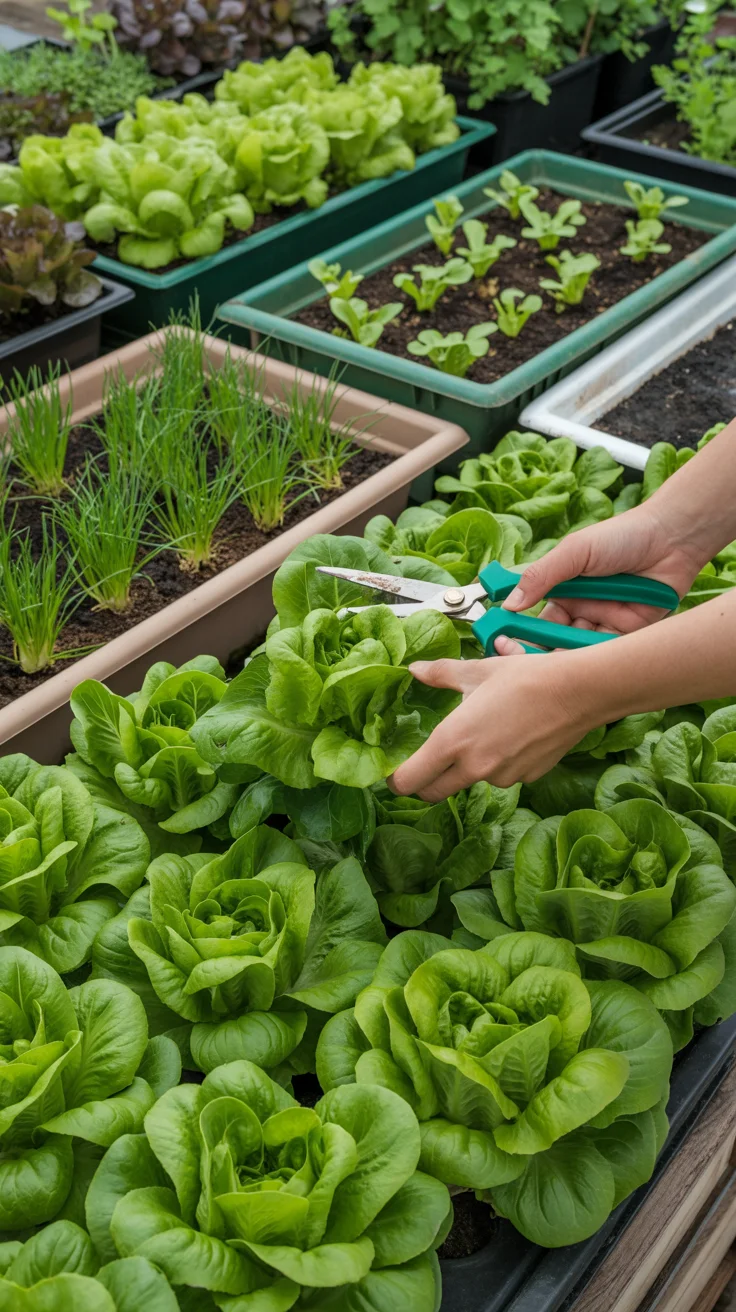
Loose-leaf varieties like romaine, butterhead, and oak leaf are ideal when learning how to grow lettuce in containers. They mature quickly, tolerate container conditions well, and allow you to harvest leaves without killing the plant. This “cut-and-come-again” method extends your harvest for weeks.
Tactic 2: Use Wide Containers, Not Deep Ones
Lettuce roots are shallow. Wide containers provide better spacing, airflow, and moisture balance. This tactic alone can double your yield and is one of the simplest upgrades for growing lettuce in pots successfully.
Tactic 3: Space Plants Correctly
Crowding is a common mistake. Space lettuce plants 4–6 inches apart. Proper spacing reduces disease risk and ensures each plant receives enough light and nutrients—an essential principle in how to grow lettuce in containers efficiently.
Tactic 4: Water Consistently (But Don’t Overdo It)
Lettuce is mostly water, so consistent moisture is key. Water when the top inch of soil feels dry. Containers dry out faster than garden beds, making daily checks important, especially in warm weather.
Tactic 5: Control Sunlight Strategically
Lettuce prefers 4–6 hours of sunlight per day. Morning sun with afternoon shade is ideal. Too much heat causes bolting and bitter leaves. Being able to move containers is a major advantage when applying how to grow lettuce in containers techniques.
Tactic 6: Coffee Grounds—Use With Caution
As mentioned earlier, coffee grounds do not directly “feed” lettuce. Only use composted coffee grounds in small amounts. Fresh grounds can harm young plants and disrupt soil balance.
Tactic 7: Feed Lightly but Regularly
Lettuce is a light feeder. Use a diluted organic liquid fertilizer every 2–3 weeks. Over-fertilizing leads to fast but weak growth and poor flavor. Balanced feeding is a core lesson in how to grow lettuce in containers properly.
Tactic 8: Harvest Often to Encourage Growth
Harvest outer leaves first and leave the center intact. Frequent harvesting signals the plant to keep producing. This method allows one plant to feed you multiple times.
For gardeners looking to scale these tactics into a compact, high-efficiency growing system, The AquaTower shows how vertical growing can dramatically increase lettuce output while conserving water and space.
Watering & Sunlight Schedule for Container Lettuce
A consistent watering and sunlight routine is essential when learning how to grow lettuce in containers. Because containers dry out faster than garden beds, small mistakes in moisture or light exposure can quickly affect growth, texture, and flavor.
How Often to Water Lettuce in Containers
Lettuce has shallow roots and a high water content, which means it needs even moisture at all times. When growing lettuce in pots:
-
Check soil moisture daily
-
Water when the top 1 inch of soil feels dry
-
Water slowly until it drains from the bottom
Avoid letting containers sit in standing water. Constantly wet soil deprives roots of oxygen and leads to disease—one of the fastest ways to fail at how to grow lettuce in containers.
Best Time of Day to Water
Early morning is ideal. Morning watering allows leaves to dry during the day, reducing fungal issues. Evening watering can be used in hot climates but should be done carefully to avoid soggy overnight conditions.
Sunlight Requirements for Lettuce
Lettuce grows best with 4–6 hours of sunlight per day. Too little light leads to slow growth, while too much direct sun causes heat stress and bolting. Containers give you flexibility—move them as needed to optimize exposure.
Indoor vs Outdoor Container Lettuce
-
Outdoor lettuce: Place containers where they receive morning sun and afternoon shade
-
Indoor lettuce: Position near a bright window or use a simple grow light
Being able to shift plants based on weather and seasons is a major advantage of understanding how to grow lettuce in containers properly.
Water Efficiency & Sustainable Growing
If water conservation is a priority, structured systems like The AquaTower use gravity-fed watering to keep moisture consistent while reducing waste—an efficient option for small-space or self-sufficient gardeners.
For more practical container gardening techniques, explore additional guides here:
👉 Success Formula Lab gardening posts
What Is the Best Fertilizer for Lettuce in Pots?
Knowing how to grow lettuce in containers includes understanding that lettuce is a light feeder. It doesn’t need heavy fertilization, but it does require the right nutrients at the right time to produce tender, flavorful leaves. Overfeeding is just as harmful as underfeeding.
Nutrients Lettuce Needs Most
Lettuce primarily needs:
-
Nitrogen for leafy growth
-
Phosphorus for root development
-
Potassium for overall plant health
A balanced, mild fertilizer supports steady growth without forcing rapid, weak leaves—an essential balance when mastering how to grow lettuce in containers.
Best Fertilizer Options for Container Lettuce
1. Organic Liquid Fertilizers
Compost tea, fish emulsion, or seaweed extract work exceptionally well. Apply a diluted solution every 2–3 weeks. These fertilizers are gentle, fast-acting, and ideal for container environments.
2. Slow-Release Organic Granules
Mixed into the soil at planting time, these provide a steady nutrient supply over several weeks. They are excellent for gardeners who want a low-maintenance approach to growing lettuce in pots.
3. Compost & Worm Castings
Adding a thin top layer of compost or worm castings every few weeks replenishes nutrients naturally. This method aligns perfectly with sustainable methods taught in The Self-Sufficient Backyard, where soil health replaces synthetic inputs.
Fertilizers to Avoid
Avoid high-nitrogen chemical fertilizers. While they cause rapid growth, they often result in weak structure, poor flavor, and nutrient imbalance. Lettuce grown too fast is more prone to pests and disease—counterproductive to how to grow lettuce in containers correctly.
Signs Your Lettuce Needs Feeding
-
Pale or yellowing leaves
-
Slow growth despite adequate water
-
Small or thin leaves
Correcting nutrient deficiencies early keeps your container lettuce productive and healthy.
For additional organic feeding strategies and soil-building tips, explore related resources here:
👉 Success Formula Lab gardening posts
Common Lettuce Problems in Containers (and How to Fix Them)
Even when you understand how to grow lettuce in containers, problems can still arise. The good news is that most issues are easy to identify and fix when lettuce is grown in pots because you have full control over the environment.
Problem 1: Lettuce Bolting Too Quickly
Bolting happens when lettuce produces flowers and turns bitter. This is usually caused by heat stress or inconsistent watering. To prevent bolting:
-
Move containers to partial shade during hot weather
-
Water consistently
-
Harvest leaves regularly
Container mobility is one of the biggest advantages when learning how to grow lettuce in containers properly.
Problem 2: Bitter or Tough Leaves
Bitter lettuce is often a sign of stress. Common causes include:
-
Too much direct sun
-
Dry soil
-
Over-fertilization
Fixing these issues restores leaf quality quickly, especially when lettuce is still young.
Problem 3: Yellowing Leaves
Yellow leaves usually indicate nutrient deficiency or overwatering. Check drainage first, then apply a mild organic fertilizer if needed. Healthy soil structure is essential for success with how to grow lettuce in containers.
Problem 4: Pests (Aphids & Slugs)
Containers reduce pest pressure, but they don’t eliminate it entirely. To control pests:
-
Rinse leaves with water
-
Use insecticidal soap if necessary
-
Keep containers clean and elevated
Avoid harsh chemicals—lettuce is fast-growing and easily damaged.
Problem 5: Slow or Stunted Growth
If lettuce isn’t growing:
-
Check sunlight exposure
-
Refresh soil nutrients
-
Ensure proper spacing
Simple adjustments often restore growth within days.
Building Resilience Through Self-Sufficient Methods
Gardeners focused on long-term reliability often combine container gardening with resilient food systems. Resources like The Lost Superfoods explore how growing and preserving nutrient-dense foods supports food security beyond fresh harvests.
For more troubleshooting and growing advice, browse additional guides here:
👉 Success Formula Lab gardening posts
Growing Lettuce Year-Round in Containers (Indoors & Off-Grid)
One of the biggest advantages of learning how to grow lettuce in containers is the ability to grow fresh greens year-round. With the right setup, lettuce can thrive indoors, outdoors, or even in low-energy, off-grid environments.
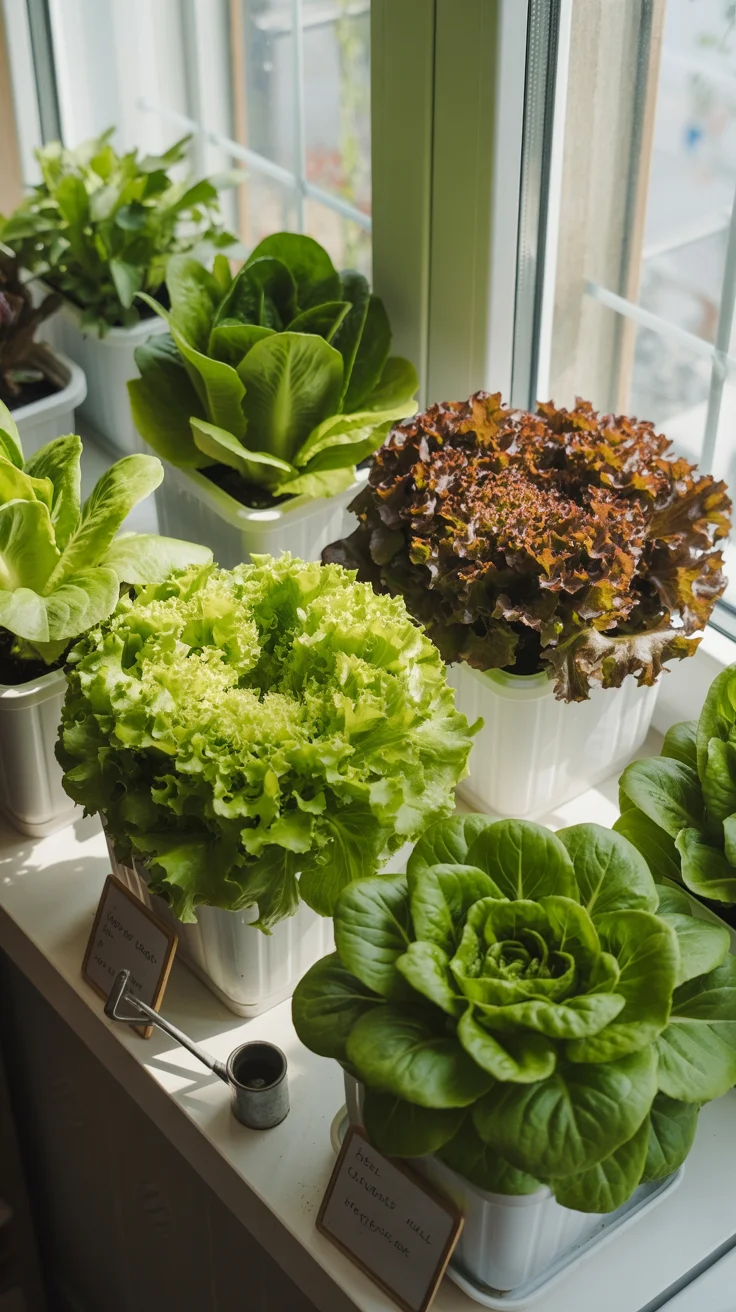
Growing Lettuce Indoors
Indoor container lettuce grows best near a bright window or under a basic grow light. Since lettuce doesn’t require intense light, it’s ideal for indoor gardening. Keep soil consistently moist and rotate containers every few days to ensure even growth.
Indoor growing is especially useful during winter months and allows you to maintain steady harvests—an important benefit of mastering how to grow lettuce in containers.
Cold-Weather & Winter Growing
Lettuce prefers cool temperatures, making it suitable for fall and mild winter conditions. In colder climates:
-
Move containers indoors at night
-
Use cold frames or unheated greenhouses
-
Grow near south-facing walls for warmth
Off-Grid & Low-Energy Lettuce Growing
For those interested in sustainable living, lettuce is one of the easiest crops to grow off-grid. It requires minimal power and water compared to other vegetables. Simple systems using gravity-fed watering or natural light are often sufficient.
While advanced energy solutions exist, many gardeners prefer low-tech options. If off-grid power becomes part of your broader sustainability plan, systems like the Ultimate OFF-GRID Generator can support lighting or small pumps—but container lettuce itself remains low-energy by nature.
Scaling Up Without More Space
Vertical growing, staggered planting, and rotation schedules allow you to harvest continuously from a small footprint. This approach pairs well with efficient watering systems such as The AquaTower, which maximizes output while conserving resources.
To explore more strategies for sustainable food production, visit:
👉 Success Formula Lab gardening posts
Scaling Container Lettuce Into a Self-Sufficient Food System
Once you truly understand how to grow lettuce in containers, the next step is scaling your efforts so they support consistent, long-term food production. Lettuce may seem small, but when grown strategically, it becomes a foundational crop for self-sufficiency.
Succession Planting for Continuous Harvests
One of the most powerful techniques for scaling is succession planting. Instead of planting all your lettuce at once:
-
Start new containers every 1–2 weeks
-
Harvest older plants while younger ones mature
-
Rotate containers to maintain steady production
This approach ensures you always have fresh lettuce available and prevents gaps in harvest—a core principle of advanced how to grow lettuce in containers strategies.
Mixing Lettuce With Other Container Crops
Lettuce pairs well with:
-
Spinach
-
Arugula
-
Herbs like basil and cilantro
These crops share similar light and water needs, making them ideal companions. Mixed planting maximizes space and improves overall productivity in container systems.
Reducing Dependency on Store-Bought Food
Growing lettuce consistently reduces grocery costs and increases food security. Even a small container setup can provide multiple harvests per month. Over time, these savings add up—especially when combined with other home-grown foods.
Resources like The Self-Sufficient Backyard focus on turning small-scale gardening into a dependable food source, teaching how to grow more calories and nutrients without expanding space.
Preserving & Using Excess Harvest
While lettuce is best fresh, excess greens can be:
-
Added to smoothies
-
Used in soups and cooked dishes
-
Shared or composted to enrich future soil
Container gardening creates a closed-loop system where nothing is wasted—an advanced but practical outcome of mastering how to grow lettuce in containers.
For more ideas on expanding small gardens into resilient food systems, explore:
👉 Success Formula Lab gardening posts
Conclusion: Mastering How to Grow Lettuce in Containers
Learning how to grow lettuce in containers is one of the simplest and most practical ways to produce fresh, healthy food at home. With minimal space, basic supplies, and the right techniques, you can enjoy continuous harvests of crisp lettuce throughout the year. From choosing the right containers and soil to mastering watering, sunlight, and fertilization, each step builds toward reliable success.
The real power of understanding how to grow lettuce in containers lies in consistency. Lettuce grows fast, responds quickly to care, and rewards even small efforts. Whether you’re growing a few pots on a balcony or scaling up into a larger self-sufficient system, container lettuce is an ideal foundation crop.
For those thinking beyond fresh greens and toward long-term food security, pairing container gardening with broader preparedness strategies is smart. Resources like The Lost Superfoods explore how people have preserved and relied on resilient food sources for generations—perfect knowledge to complement what you grow yourself.
With the tactics in this guide, you now have everything you need to confidently grow lettuce in containers and make it a dependable part of your daily food supply.
Frequently Asked Questions (FAQ)
How to grow lettuce in containers?
To grow lettuce in containers, use a wide pot with drainage holes, fill it with a light potting mix, plant lettuce seeds or seedlings 4–6 inches apart, and keep the soil consistently moist. Provide 4–6 hours of sunlight daily and harvest outer leaves regularly.
What is the trick to growing lettuce?
The biggest trick is consistency. Consistent watering, moderate sunlight, and light feeding prevent stress, bitterness, and bolting. Containers make this easier because you can control the environment completely.
Do coffee grounds help lettuce grow?
Only composted coffee grounds help. Fresh coffee grounds can be too acidic and may inhibit growth. When composted, they improve soil structure but should be used in small amounts alongside balanced nutrients.
What is the best fertilizer for lettuce in pots?
The best fertilizer for lettuce in pots is a diluted organic liquid fertilizer like compost tea, fish emulsion, or seaweed extract applied every 2–3 weeks. Lettuce is a light feeder, so avoid strong chemical fertilizers.