
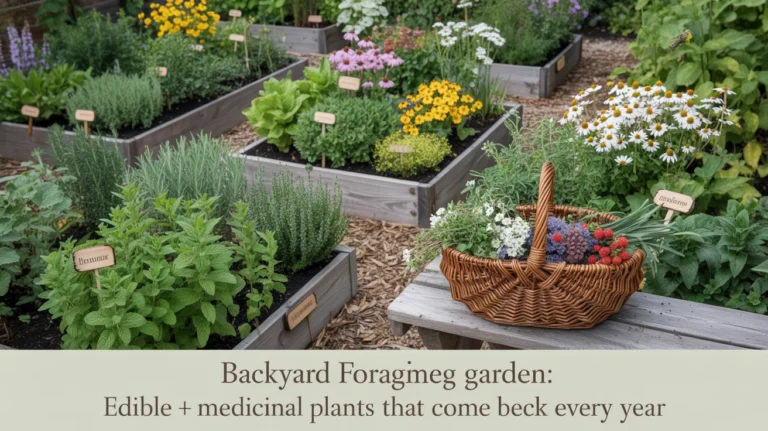
A backyard foraging garden blends the joy of wild discovery with the reliability of perennials—edible and medicinal plants that come back every year with little fuss. Instead of chasing fleeting crops season after season, you’re building a living pantry that wakes up on its own each spring. Whether you’re a homesteader, urban gardener, or new to resilient food systems, this guide shows you how to plan, plant, and harvest a perennial-rich backyard foraging garden that thrives with minimal inputs.
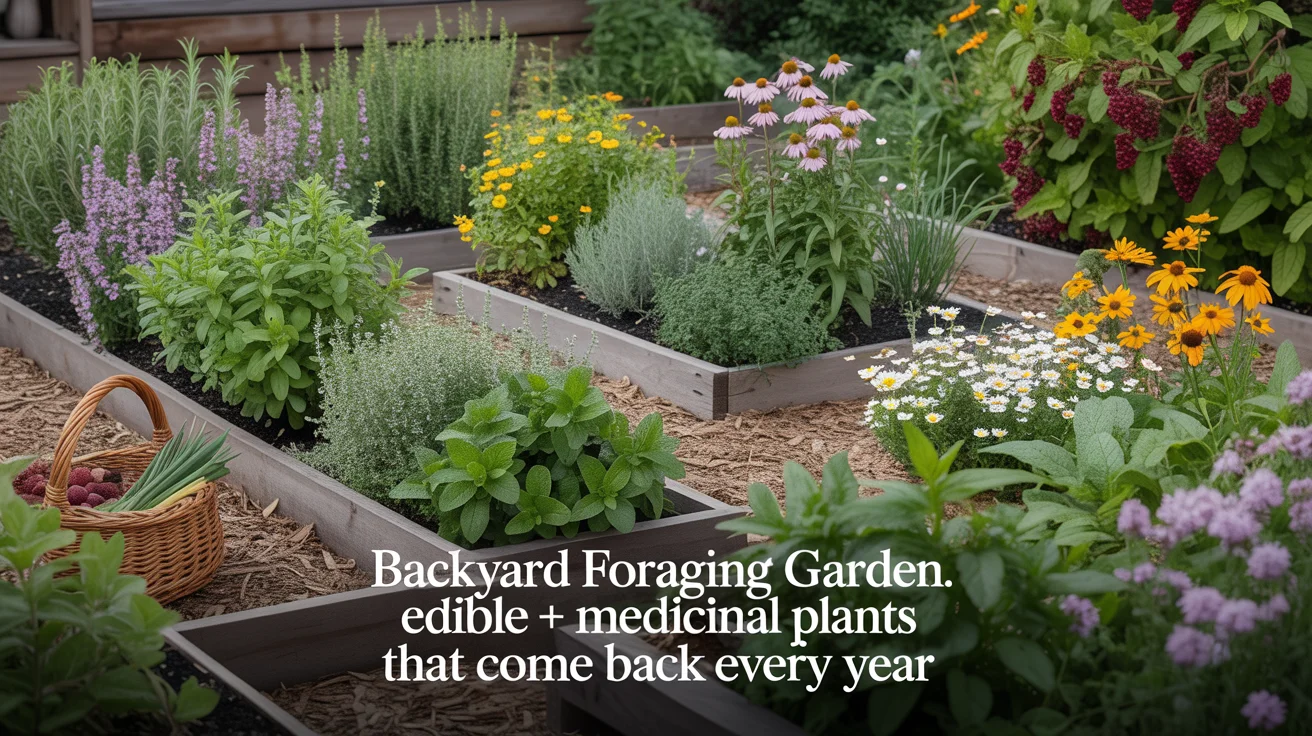
If you’re mapping out a resilient homestead and want a step-by-step blueprint, consider The Self-Sufficient Backyard. It’s focused on practical, do-now projects that save time and money.
What a Backyard Foraging Garden Really Is
A backyard foraging garden is a cultivated space designed to mimic the diversity and resilience of wild ecosystems. Instead of long rows of annuals, you layer plants (trees, shrubs, herbs, groundcovers, roots, vines) that are largely perennial and multi-purpose. The result is a semi-wild tapestry that feeds you and supports pollinators, soil life, and beneficial insects—while looking beautiful and feeling like a low-maintenance sanctuary.
Key principles:
- Diversity over monoculture: Mix edible and medicinal plants so something is always in season.
- Layers, not rows: Use canopy trees, shrubs, herbaceous plants, groundcovers, roots, and vines to maximize square footage.
- Perennial-first: Choose plants that overwinter and return, expanding your harvest every year.
- Habitat equals health: More biodiversity leads to fewer pest explosions and better drought resilience.
Foraging vs. growing a foraging garden:
- Foraging means ethically harvesting edible and medicinal plants from wild or unmanaged spaces. It requires strong identification skills, respect for local ecosystems, and a light footprint.
- Growing a foraging garden recreates the abundance and variety of the wild—but safely, legally, and conveniently—right at home. You still practice identification and ethical harvest, but the plants are intentionally sited, protected, and easier to find, use, and propagate.
Benefits you’ll feel quickly:
- Less replanting, more yield: Perennials get stronger and more productive with each season.
- A living medicine cabinet: Grow herbs you trust for simple teas, salves, and first-aid support.
- Climate resilience: Deep-rooted perennials handle droughts, downpours, and temperature swings better than most annuals.
- Pollinator paradise: Flowering herbs and shrubs bring bees, butterflies, and natural predators that balance your garden’s ecology.
If you’re starting from scratch, map light and water, note your USDA Hardiness Zone, and sketch a simple plan. Place taller plants to the north so they don’t shade out sun-lovers, cluster thirsty plants near water, and tuck shade-tolerant edibles under trees or along fences. For a quick deep-dive into layout options, see How to build a small food forest.
Designing Your Backyard Foraging Garden for Perennial Abundance
Great design is the difference between “pretty chaos” and a truly productive perennial system. Start with a mini food-forest approach, even in small yards.
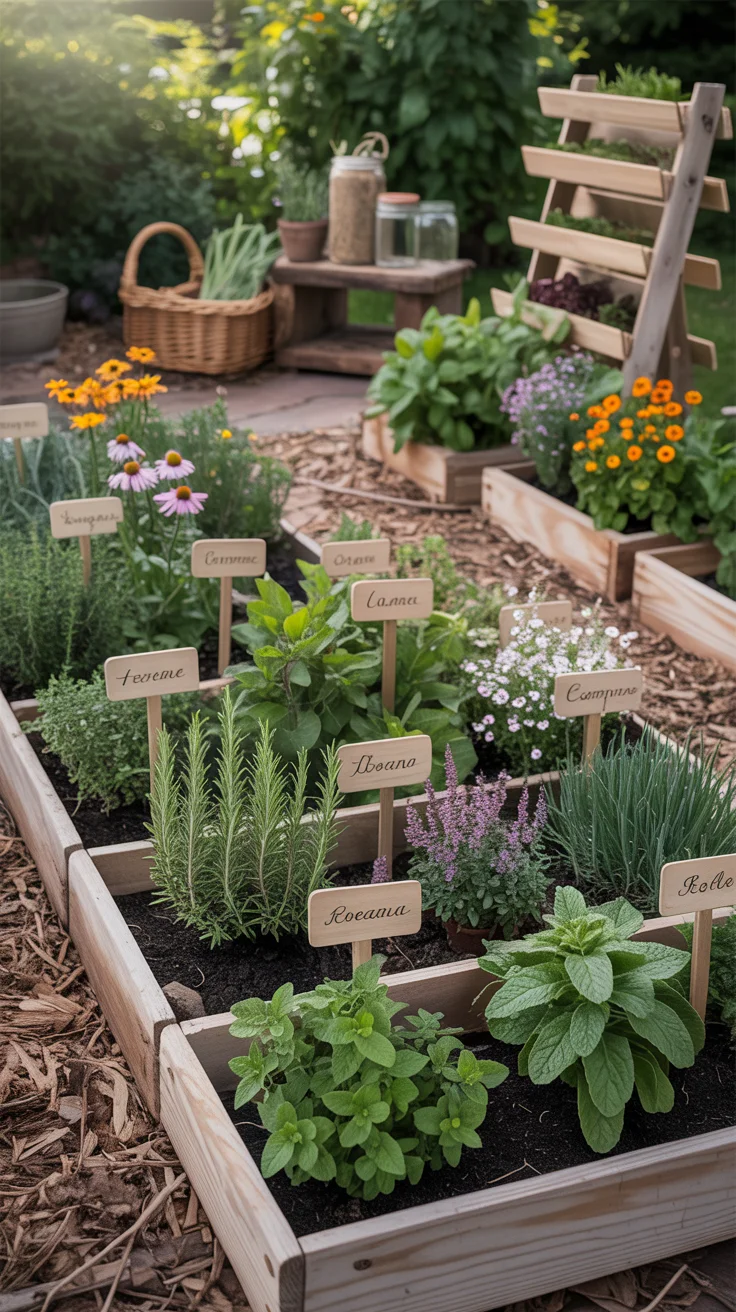
Site and layout:
- Sun mapping: Most edible perennials want 6–8 hours of sun. Use east/west edges for partial shade lovers (mint, lemon balm, ramps in cool climates).
- Water flow: Observe where rain collects. Swales, mulch basins, and rain barrels reduce irrigation needs.
- Wind and microclimates: South-facing walls create warm pockets for figs, rosemary, or bay. Windbreaks help tender shrubs thrive.
Layering your garden:
- Canopy and sub-canopy: Dwarf fruit trees (apple, plum, fig) provide fruit, shade, and structure.
- Shrubs: Elderberry, currants, goumi, and serviceberry feed you and wildlife.
- Herbaceous perennials: Asparagus, rhubarb, sorrel, sea kale, perennial kale, chives, echinacea, yarrow.
- Groundcovers: Creeping thyme, strawberries, oregano, alpine strawberries, sweet woodruff (non-edible but useful in shade).
- Roots: Jerusalem artichoke (sunchoke), ramps (ethically sourced), horseradish, Chinese artichoke.
- Vines: Hops (medicinal), hardy kiwi (where climate allows), passionflower in warmer zones.
Soil building:
- Sheet mulch to smother grass before planting (cardboard + compost + wood chips).
- Compost and leaf mold to boost biology and water holding.
- Living mulch: Clover and yarrow foster beneficial insects and fix/accumulate nutrients.
Zoning your effort:
- Zone 1: Daily-use herbs (chives, thyme, oregano, mint in containers) near the kitchen door.
- Zone 2: Heavier perennials (asparagus, rhubarb) along main paths.
- Zone 3: Shrubs and patches of sunchokes or comfrey you don’t mind spreading.
For small footprints, a vertical system can stack yields without sacrificing soil space. If you’re constrained by patios, fences, or tiny yards, a modular tower can pack in strawberries, leafy herbs, and even shallow-rooted perennials. A water-wise option like The AquaTower helps you grow more in less space while simplifying irrigation.
Edible Perennials That Come Back Every Year
Here are high-value, reliable edibles for a backyard foraging garden across a range of climates. Always check your hardiness zone and local regulations, and avoid planting species considered invasive in your area.
Vegetables and greens:
- Asparagus: A spring classic. Plant crowns in a dedicated bed, harvest lightly year 2, then enjoy heavy yields for decades.
- Rhubarb: Sour stalks for pies and preserves; thrives in cool climates with rich soil and mulch.
- Sorrel (French, garden): Lemon-bright leaves for salads and soups; drought tolerant and early to emerge.
- Sea kale (Crambe maritima): Tender shoots and leaves; thrives in coastal and well-drained spots.
- Perennial kale/collards (var. ‘Daubenton’s’ and others): Cut-and-come-again greens; propagate by cuttings.
- Good King Henry: Spinach-like leaves and edible shoots; thrives in partial shade.
- Walking onions (Egyptian): Produces bulbs and top-sets; spreads politely and laughs at neglect.
- Chives and garlic chives: Mild allium flavor, early nectar for pollinators; clumps expand for easy division.
- Daylily (Hemerocallis fulva and others): Young shoots, flower buds, and flowers are edible in moderation; verify species and personal tolerance.
Roots and specialty perennials:
- Jerusalem artichoke (sunchoke): Nutty tubers; extremely vigorous. Plant in contained beds or where spreading is fine.
- Horseradish: Fiery roots; plant in a barrel or edge bed to control expansion.
- Chinese artichoke (crosne): Crunchy, nutty tubers; spreads moderately.
- Ramps (wild leeks, Allium tricoccum): A spring delicacy. Only plant nursery-propagated stock; never overharvest wild patches.
Berries and fruiting shrubs:
- Strawberries (everbearing): Perennial groundcover with sweet yields; renew beds every 3–4 years.
- Currants and gooseberries: Shade-tolerant shrubs with tart, nutrient-rich berries.
- Elderberry: Flowers and fruit for cordials and syrups; give it room and moist soil.
Herbaceous flavor powerhouses:
- Oregano, thyme, sage, rosemary (in mild climates), chervil (self-seeding), lovage (celery-like), and tarragon (French).
For each plant, think in decades, not seasons. If your space is tight, pick a dozen that serve multiple purposes—food, medicine, pollinator support, and soil improvement. If you need help timing plantings, download a Perennial vegetables planting calendar to plan by zone and microclimate.
Medicinal Perennials for a Year-Round Home Apothecary
A good backyard foraging garden doubles as a calm, reliable medicine patch. Grow what you actually use and learn basic preparations like teas, infusions, syrups, and salves. Avoid strong claims—herbal support is not a substitute for professional care.
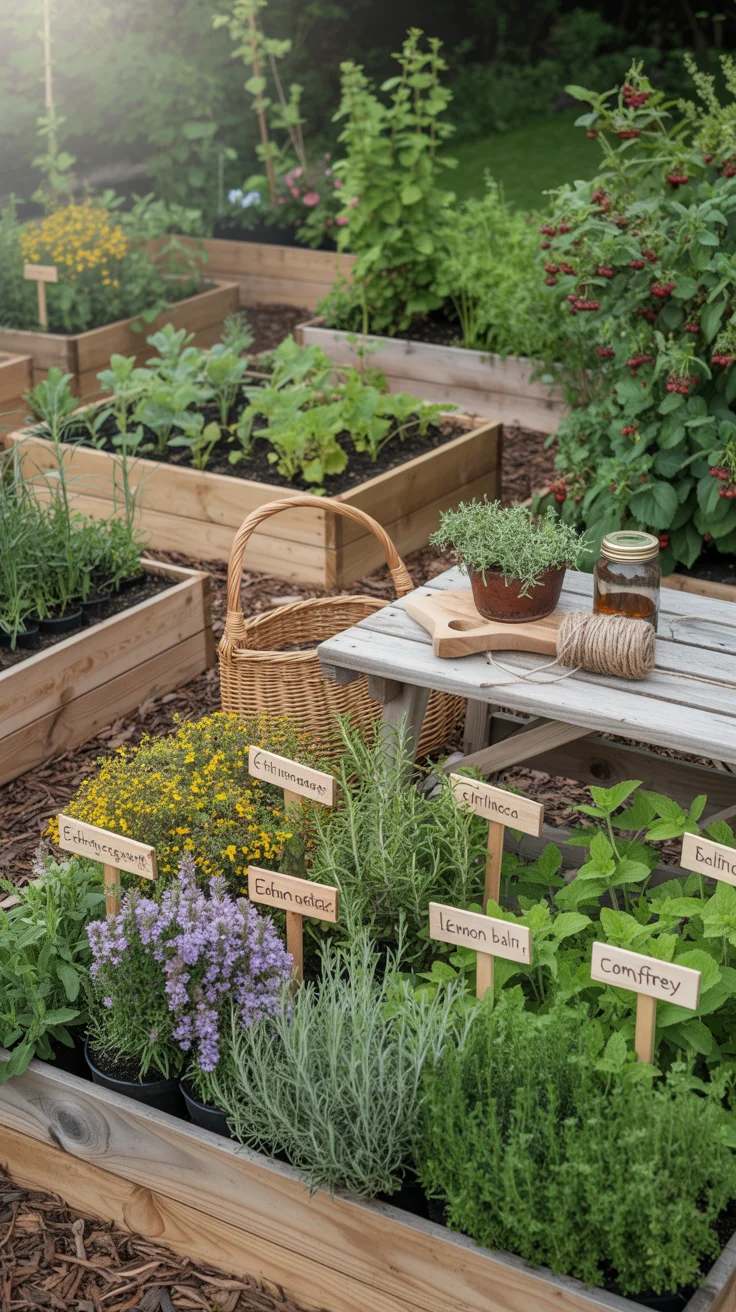
Foundational medicinal perennials:
- Echinacea (purpurea, angustifolia): Coneflowers support pollinators and are traditionally used for immune support; roots and flowers are harvested at different times.
- Yarrow (Achillea millefolium): Feathery leaves and flat-topped flowers attract beneficial insects; often used externally in salves and internally as tea by herbalists.
- Lemon balm (Melissa officinalis): Calming tea herb; grows vigorously—consider a container.
- Bee balm/Monarda (bergamot): Aromatic leaves for teas; beloved by hummingbirds and bees.
- Thyme, oregano, sage: Culinary staples with aromatic oils; often used for steam inhalations and teas.
- Roman chamomile (perennial in many zones): Apple-scented flowers for relaxation teas; forms a soft groundcover.
- Comfrey (Symphytum officinale): A powerhouse soil-builder; leaves often used externally in salves. Plant where you want it permanently—it’s very hard to remove.
- Hyssop and anise hyssop: Licorice-mint notes for teas; heavy pollinator draw.
Shrubs and trees with medicinal value:
- Elderberry (Sambucus): Flowers for cordials, berries for syrups; cook berries before use.
- Willow (small varieties or coppiced): Source of salicin; often used externally and with caution.
- Hawthorn (Crataegus): Blossoms and berries are traditionally used by herbalists; plant as hedging where possible.
Ethical and safety notes:
- Identification first: If you can’t ID it confidently, don’t use it.
- Allergies and interactions: Start small; consult your healthcare professional if you’re pregnant, nursing, or on medications.
- Harvest restraint: Leave plenty for pollinators and birds, and for the plant’s own vigor.
Want to learn the basics of herbal preparation? Start with a simple salve and tea workflow in our Beginner’s guide to herbal tinctures for safe home use and smart storage.
Planting, Propagating, and Keeping Growth in Check
Perennials reward patience. Invest in soil and layout once, then propagate what thrives and keep enthusiastic spreaders from taking over.
Planting tips:
- Bed prep: Sheet mulch over lawn in fall; plant into rich compost layers in spring.
- Right depth: Set crowns (asparagus, rhubarb) at recommended depths; don’t bury crowns too deep.
- Mycorrhizae: Dust roots with mycorrhizal inoculant when planting woody plants to boost establishment.
Propagation you’ll actually use:
- Division: Chives, rhubarb, echinacea, yarrow, lemon balm. Divide every 2–4 years to refresh vigor.
- Cuttings: Perennial kales, rosemary, fig, currants, comfrey (root cuttings).
- Self-seeders: Calendula, chamomile, dill, and cilantro will often pop up where happy. Thin, don’t over-weed.
Keeping your foraging garden from spreading too much:
- Root barriers: Use metal or plastic edging for mint, comfrey, horseradish, and sunchokes.
- Containment beds: Plant aggressive species in raised beds or large containers.
- Timed harvests: Uproot sunchokes and horseradish aggressively in fall; harvest lemon balm before it seeds.
- Deadhead: Clip flower heads on rampant self-seeders before they mature.
- Chop-and-drop: Turn excess growth into mulch to feed soil and suppress weeds.
- Regular division: Split clumping herbs to keep them compact and share extras.
Mulch and irrigation:
- Wood chips or leaves 2–4 inches deep around perennials (keep mulch off stems/crowns).
- Water deeply and less often to encourage deep roots.
- For space-saving, low-water setups, a stacked, recirculating system like The AquaTower can combine vertical growing with efficient irrigation for leafy herbs, strawberries, and shallow-rooted perennials.
Maintenance calendar:
- Spring: Prune shrubs, top-dress with compost, divide perennials, plant crowns.
- Summer: Harvest, deadhead, spot-mulch, manage pests with handpicking and traps.
- Fall: Big root harvest, leaf-mulch beds, take hardwood cuttings.
- Winter: Plan expansions, sharpen tools, order stock.
Harvesting, Preserving, and Everyday Use
Perennials stagger their gifts throughout the year. Learn their rhythms and build simple preservation habits so nothing goes to waste.
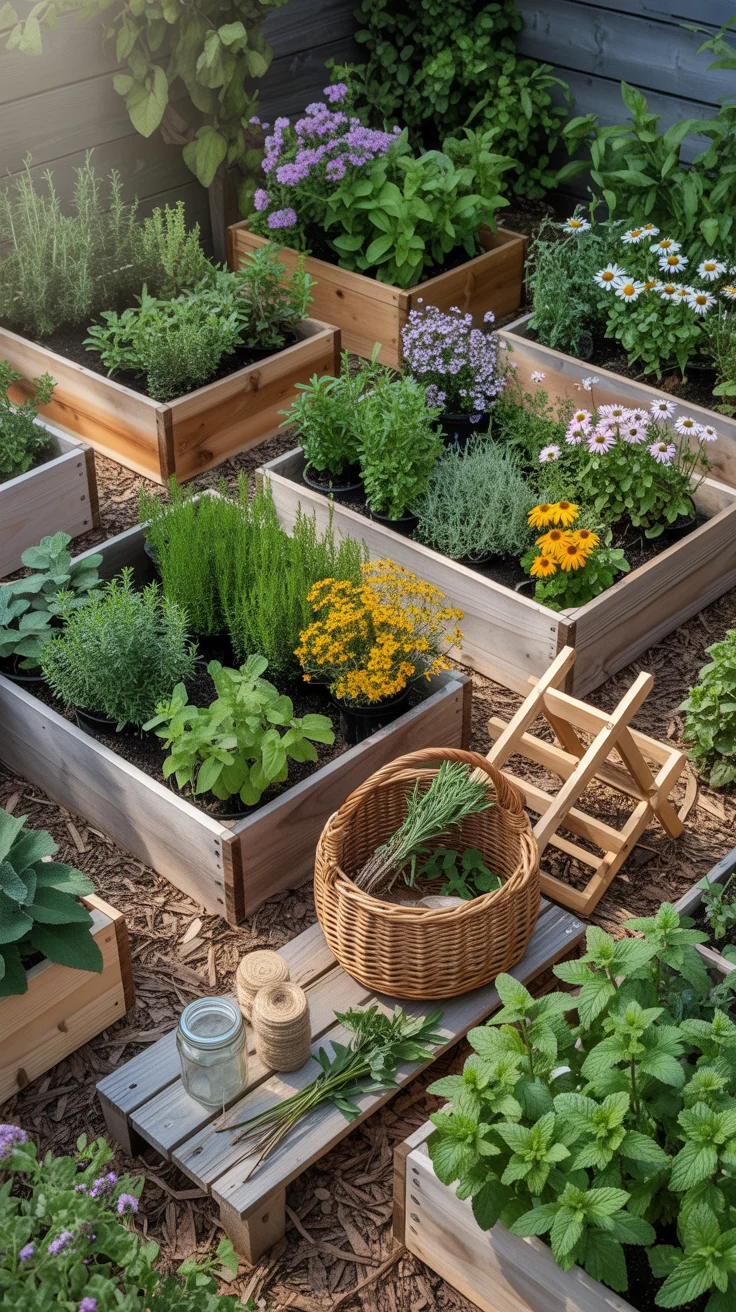
Harvest rhythms:
- Early spring: Ramps (ethically), chives, sorrel, asparagus shoots, rhubarb stalks, perennial kale tips.
- Late spring to summer: Herbs for drying (thyme, oregano, sage) just before flowering; elderflowers for cordials.
- Summer to early fall: Currants, gooseberries, strawberries, daylily buds, sea kale leaves, lemon balm.
- Fall: Sunchokes, horseradish, echinacea roots (from established clumps), elderberries for syrup.
Easy preservation methods:
- Drying: Tie small bundles of herbs or use dehydrators at low temps; store in airtight jars away from light.
- Freezing: Blanch greens (sorrel puree cubes are fantastic); freeze berries and chopped herbs in oil.
- Fermentation: Sauerkraut with perennial greens, pickled sunchokes, rhubarb compote.
- Infusions and syrups: Elderberry syrup, lemon balm glycerite, thyme honey.
- Topicals: Comfrey and yarrow oil infusions for salves; label and date everything.
If you want a deeper pantry approach—foods that store for years without electricity—browse The Lost Superfoods. It focuses on timeless preservation ideas to diversify your emergency stores.
Kitchen integration:
- Weeknight staples: Chop chives and sorrel into eggs and soups; toss perennial kale into stir-fries.
- Herbal teas: Lemon balm, chamomile, and thyme blends keep well and brew fast.
- Flavor bases: Oregano, sage, and thyme dry into a house blend that beats store-bought any day.
For recipe ideas and exact preservation times and temperatures, see our Herbal preservation methods for safe, step-by-step instructions.
Wildlife Harmony, Pests, and Safety in a Semi-Wild Garden
A backyard foraging garden intersects with nature on purpose. That means embracing pollinators and beneficial predators while setting firm boundaries with pests.
Pollinators and allies:
- Plant umbellifers (yarrow, dill), composites (echinacea), and mints (bee balm, hyssop) to feed a range of insects.
- Provide shallow water dishes with pebbles for bees and butterflies.
- Leave some hollow stems in winter for nesting solitary bees.
Managing pests gently:
- Slugs and snails: Beer traps, copper tape, and nighttime handpicking near strawberries and young greens.
- Aphids: Encourage ladybugs with alyssum and dill; a sharp water spray clears clusters.
- Deer and rabbits: Use 7–8 ft fencing for deer-prone areas; low hardware cloth around new plantings for rabbits.
- Birds: Net berries just before ripening; remove netting promptly after harvest.
Safety and ID:
- Correct ID is non-negotiable. Learn look-alikes before harvesting new species.
- Cook what needs cooking: Elderberries should be cooked; rhubarb leaves are toxic—eat only the stalks.
- Personal sensitivities: Daylilies and comfrey have specific use cautions; test small portions first and avoid internal comfrey use.
Legal and ecological care:
- Avoid moving wild plants that are threatened or slow to reproduce (like wild ginseng). Purchase nursery-propagated ramps if desired.
- Check invasive species lists for your region and choose non-invasive alternatives as needed.
Example Planting Plans by Space and Sun
Whether you have a sunny backyard or a patio, you can layer perennials for year-round utility.
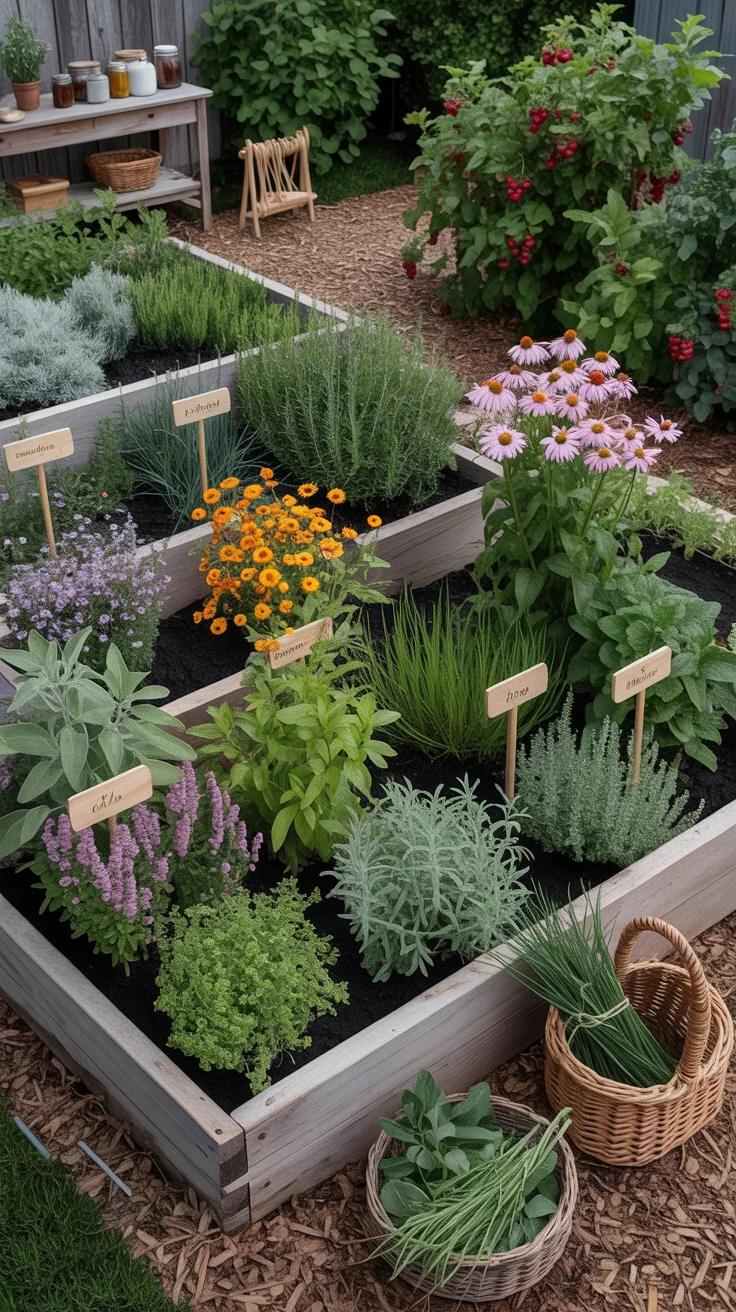
Sunny 10×12 ft bed (Zone 5–8):
- Back row: Dwarf elderberry (pruned) and two currants.
- Mid layer: Asparagus row, rhubarb clump, perennial kale, echinacea cluster.
- Front/edges: Walking onions, chives, thyme, oregano, strawberries as groundcover.
- Root patch in a corner: Sunchokes in a contained bed or half whisky barrel.
Partial shade 6×8 ft nook:
- Shrub: Gooseberry (tolerates shade).
- Herb layer: Lemon balm (container), mint (container), yarrow, chervil (self-seeding).
- Groundcover: Alpine strawberries, sweet woodruff (non-edible but useful).
- Alliums: Garlic chives for flavor and flowers.
Balcony or tiny yard:
- Vertical tower: Strawberries, thyme, oregano, chives, alpine strawberries.
- Containers: Rhubarb (large pot), perennial kale (15+ gallon), rosemary (in warm zones).
- Window box: Sorrel for constant tangy greens.
To flesh out your plan with seasonal tasks and simple homestead systems that stack benefits (water, power, food, and storage), you might appreciate the checklists inside The Self-Sufficient Backyard.
Bringing It All Together
A backyard foraging garden—rich in edible and medicinal plants that come back every year—trades replanting for resilience. Start with a few reliable perennials, layer in shrubs and groundcovers, and add a handful of medicinal herbs you’ll actually use. Keep enthusiastic species contained, mulch well, and harvest with care. Within a season or two, you’ll feel the momentum: less work, more flavor, and a steady stream of homegrown staples. Ready to design your own? Map your sun and soil, plant your first perennials this weekend, and let the garden teach you the rest.
For a practical blueprint to accelerate your setup, explore The Self-Sufficient Backyard. To maximize vertical yield in small spaces, consider The AquaTower, and for pantry resilience, skim The Lost Superfoods.
FAQ
What edible plants come back every year (perennials)?
- Many kitchen staples are perennial. Reliable choices include asparagus, rhubarb, sorrel, sea kale, perennial kale/collards, chives, walking onions, strawberries, currants, gooseberries, elderberry, horseradish, and Jerusalem artichokes. In warm zones, rosemary and bay can be perennial, while in cooler zones they’re grown in containers and overwintered indoors. Building a backyard foraging garden around these creates steady, low-maintenance harvests.
What’s the difference between foraging and growing a foraging garden?
- Foraging is harvesting from wild or unmanaged lands with strong identification skills and ethical restraint. A backyard foraging garden takes that wild diversity and intentionally cultivates it at home—layered perennials that mimic nature but are easy to find, harvest, protect, and propagate. You still practice good ID and stewardship, but you control the site and species selection.
Which perennial herbs are easiest to grow?
- Start with chives, oregano, thyme, sage, lemon balm, and bee balm. These are hardy, flavorful, and good for pollinators. In mild climates, rosemary is also tough; in cold climates keep it in a pot and bring it in for winter. Choose a few that match your cooking and tea habits so you’ll harvest them often.
How do you keep a foraging garden from spreading too much?
- Use root barriers or containers for aggressive plants like mint, horseradish, lemon balm, and sunchokes. Deadhead self-seeders before seeds set, and divide clumping herbs every few years. Dedicated beds for spreaders (or large planters) make harvesting easier and prevent creeping into paths. A light maintenance loop—mulch, divide, deadhead—keeps a semi-wild garden beautifully in bounds.